How This Calculator Works
This calculator checks your results against the U.S. Border Patrol Agent Pre-Employment Fitness Test
(PFT), the fitness test CBP requires during Border Patrol Agent hiring. You enter your sit-ups, your
push-ups, and your step test result, and the tool tells you whether each one meets the standard.
There is one standard for every applicant. CBP states that because job requirements are the same
for all Border Patrol Agents, the tests and their standards are the same for all applicants and are
not based on race, age, or sex. The test is scored as a multiple
hurdleCBP’s term for a scoring method that is pass/fail on each test. There are no points to add up.:
you must meet every minimum, and a strong result in one event cannot make up for a miss in another.
The Three Events & Protocol
The events run in this order. CBP’s published protocol allows a 3-minute interval between tests, which you
may use to rest or practice the next one.
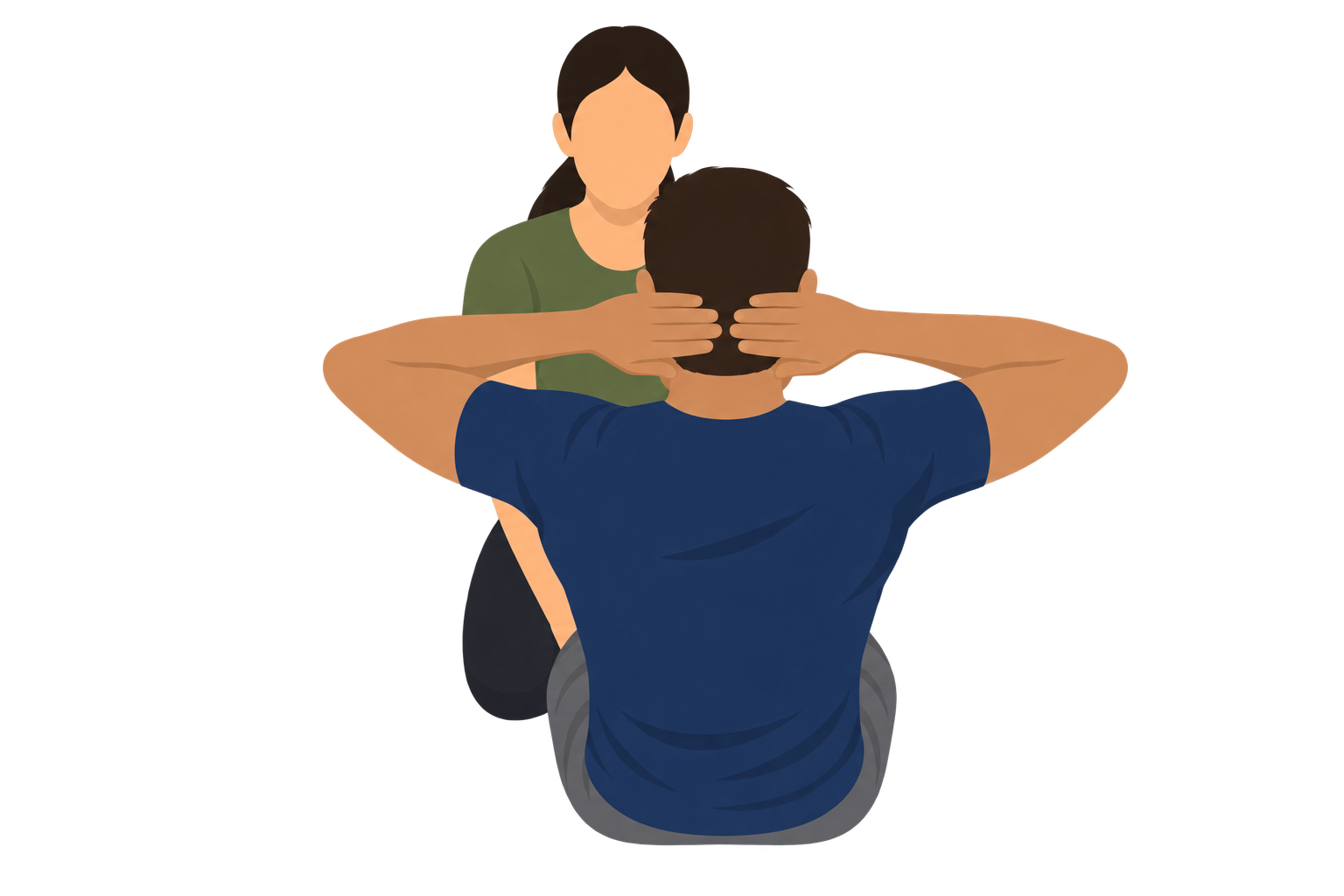
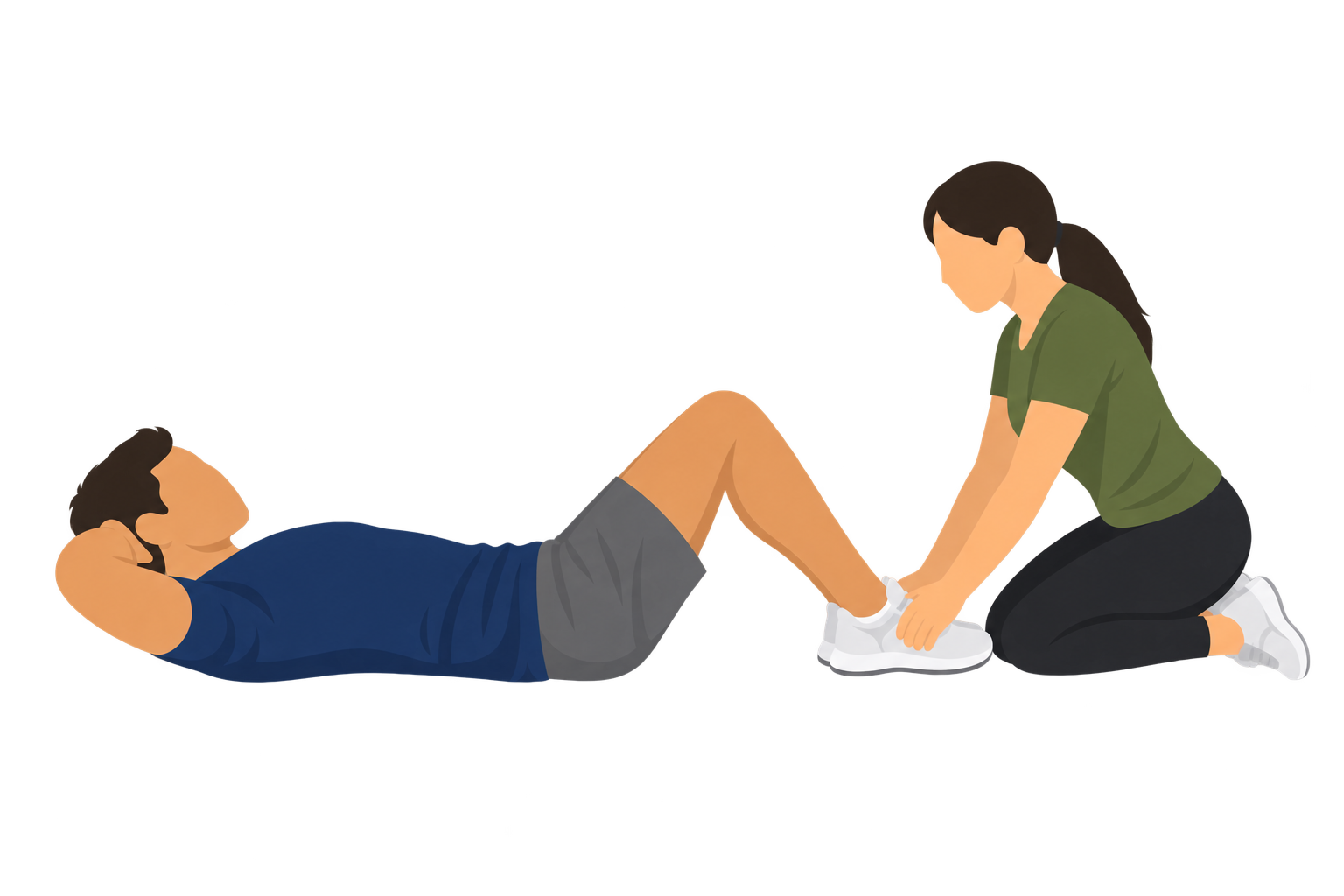
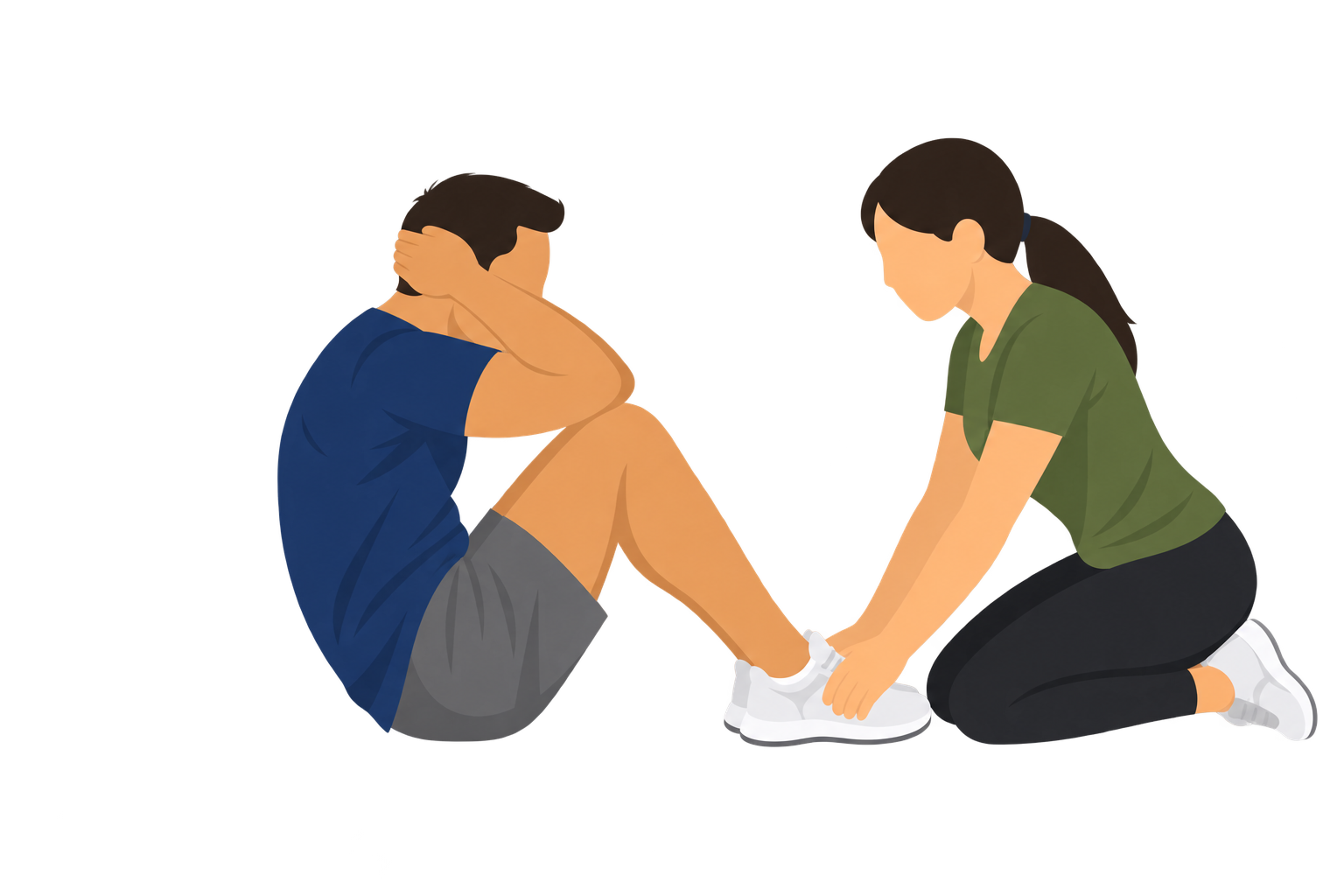
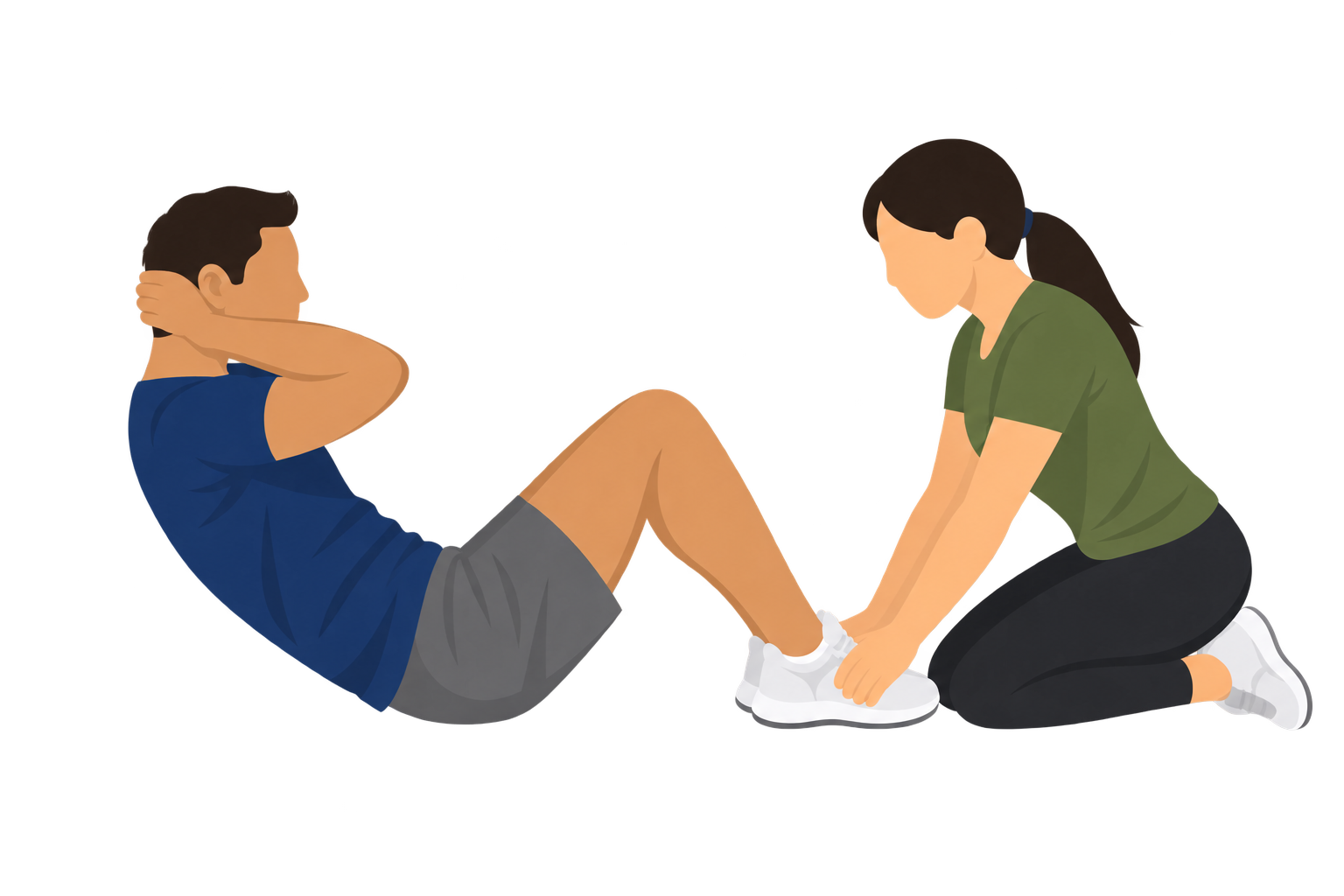
- Sit-ups: 25 in 60 seconds. Start on your back with your knees bent at 90 degrees, feet
flat and held down by a partner, and hands behind your head without interlocking your fingers,
thumbs by your ears and elbows out to the sides. Sit up until your elbows touch your knees or break the plane of
your knees, then return until your shoulder blades touch the mat. A rep does not count if your buttocks lift off
the mat, you use your hands to pull yourself up, your elbows don’t reach your knees, or your shoulder blades
don’t touch down. You may rest only in the up position; staying down for 3 seconds or more ends the test.
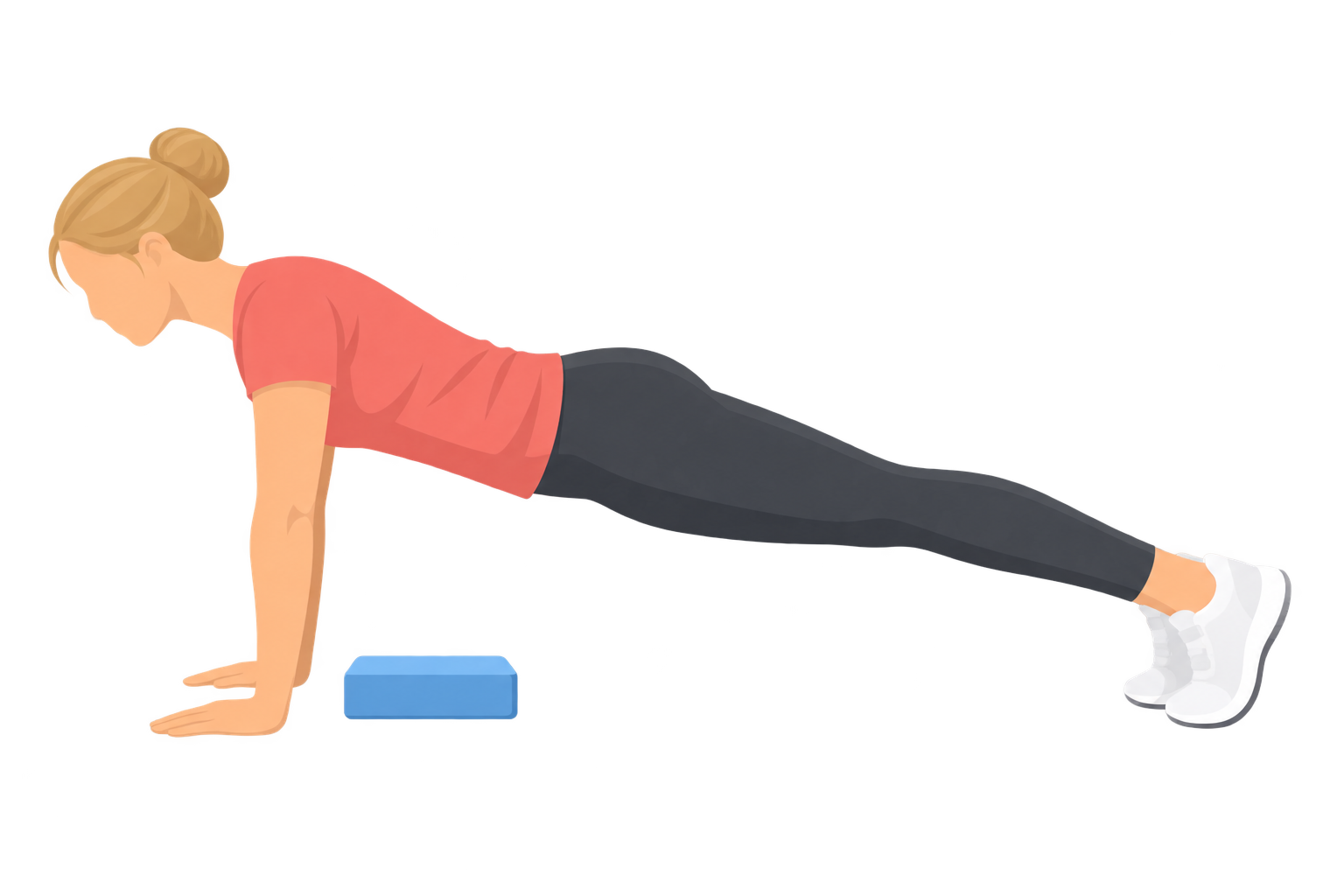
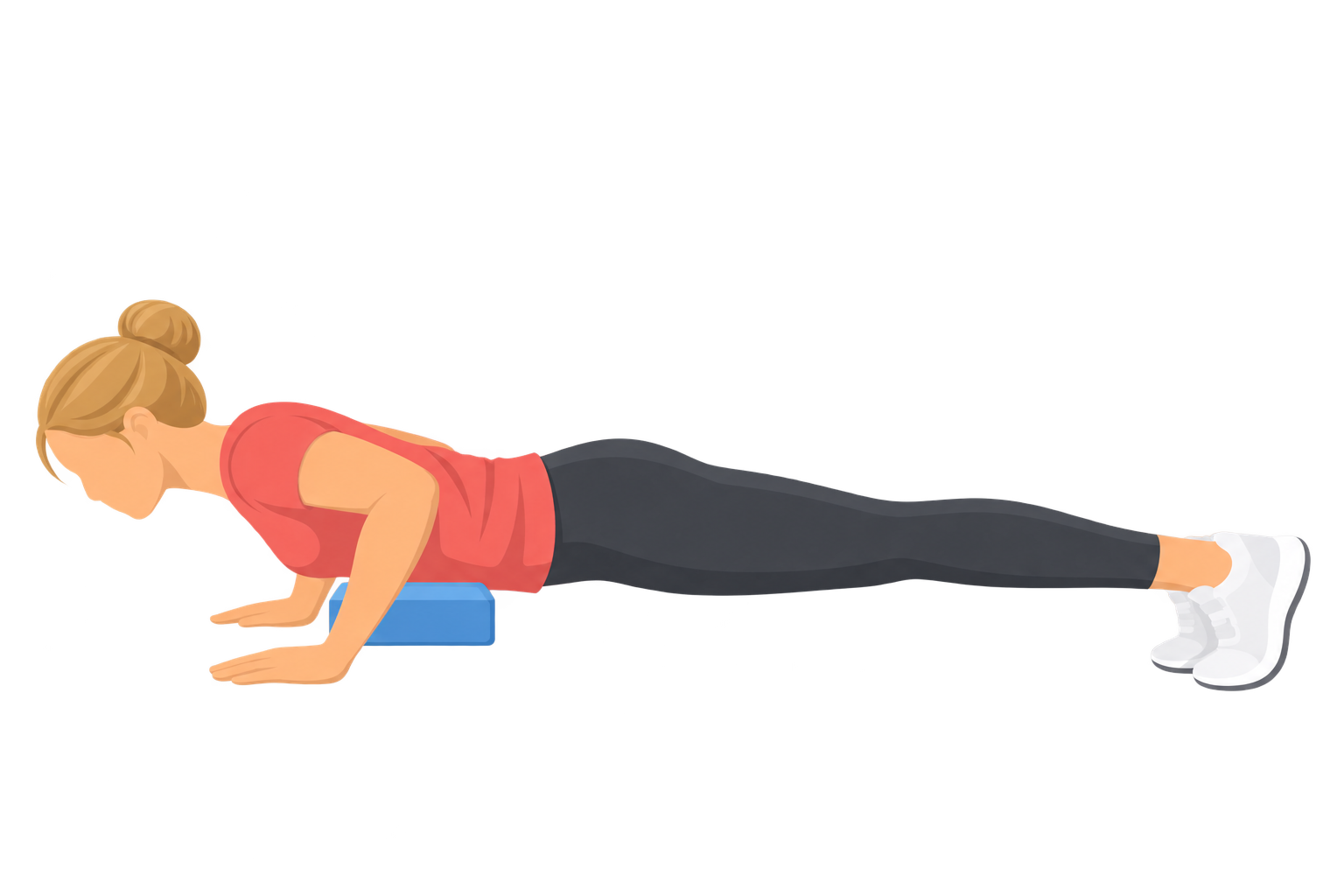
- Push-ups: 20 in 60 seconds. Start with your elbows straight, hands shoulder-width apart with
your thumbs in line with the crease of your shoulders, and a
foam blockA 4-inch block if you are under 5'9", or a 5-inch block if you are 5'9" or taller.
directly under your sternum. Lower until your sternum touches the block, then push up until your elbows are
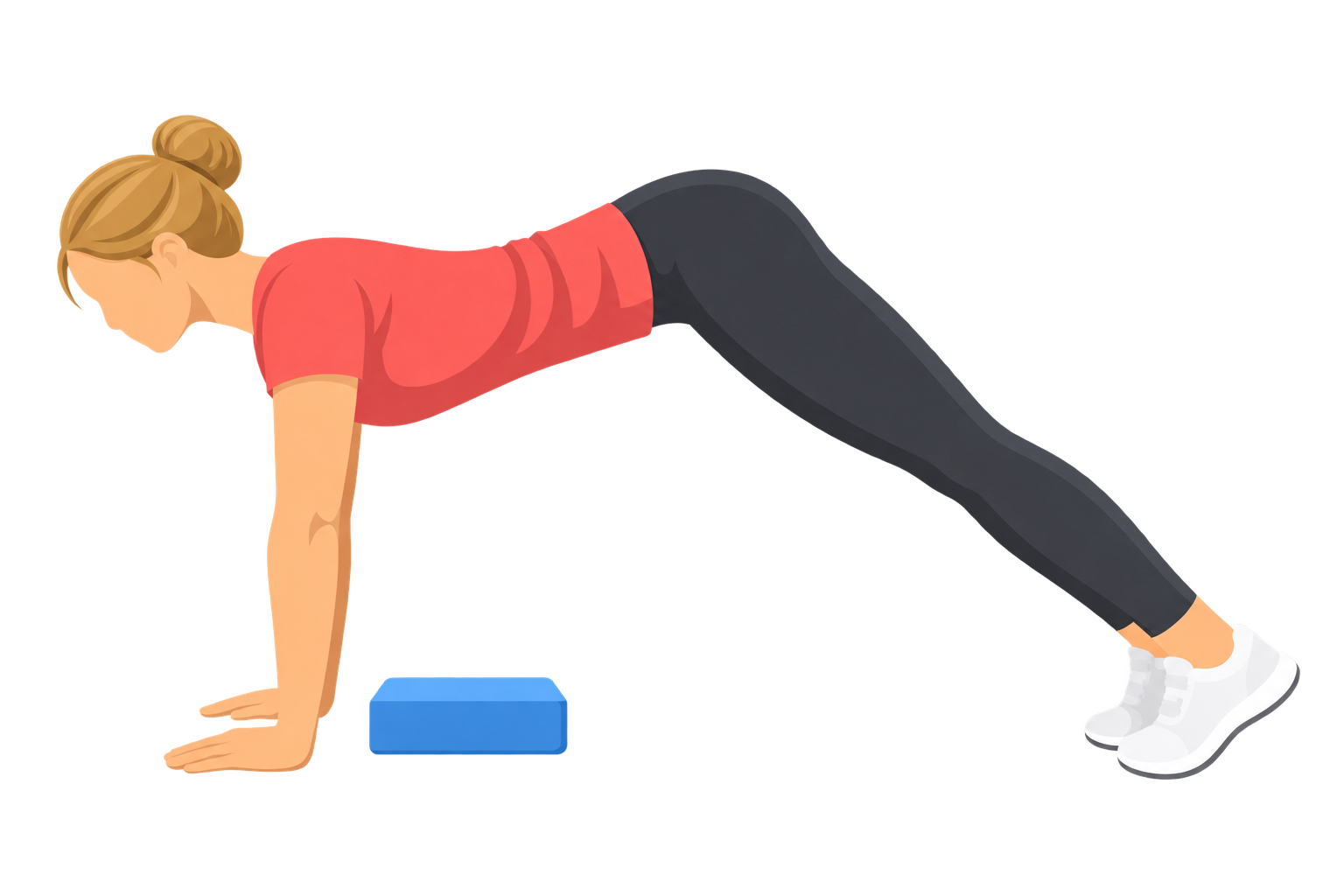
straight. Keep your body in a straight line with your feet no more than 12 inches apart. A rep does not count if
your back sags, your buttocks rise, your feet spread wider than 12 inches, or you don’t reach the block or
straighten your elbows. You may rest only in the up position; a knee touching the ground ends the test.
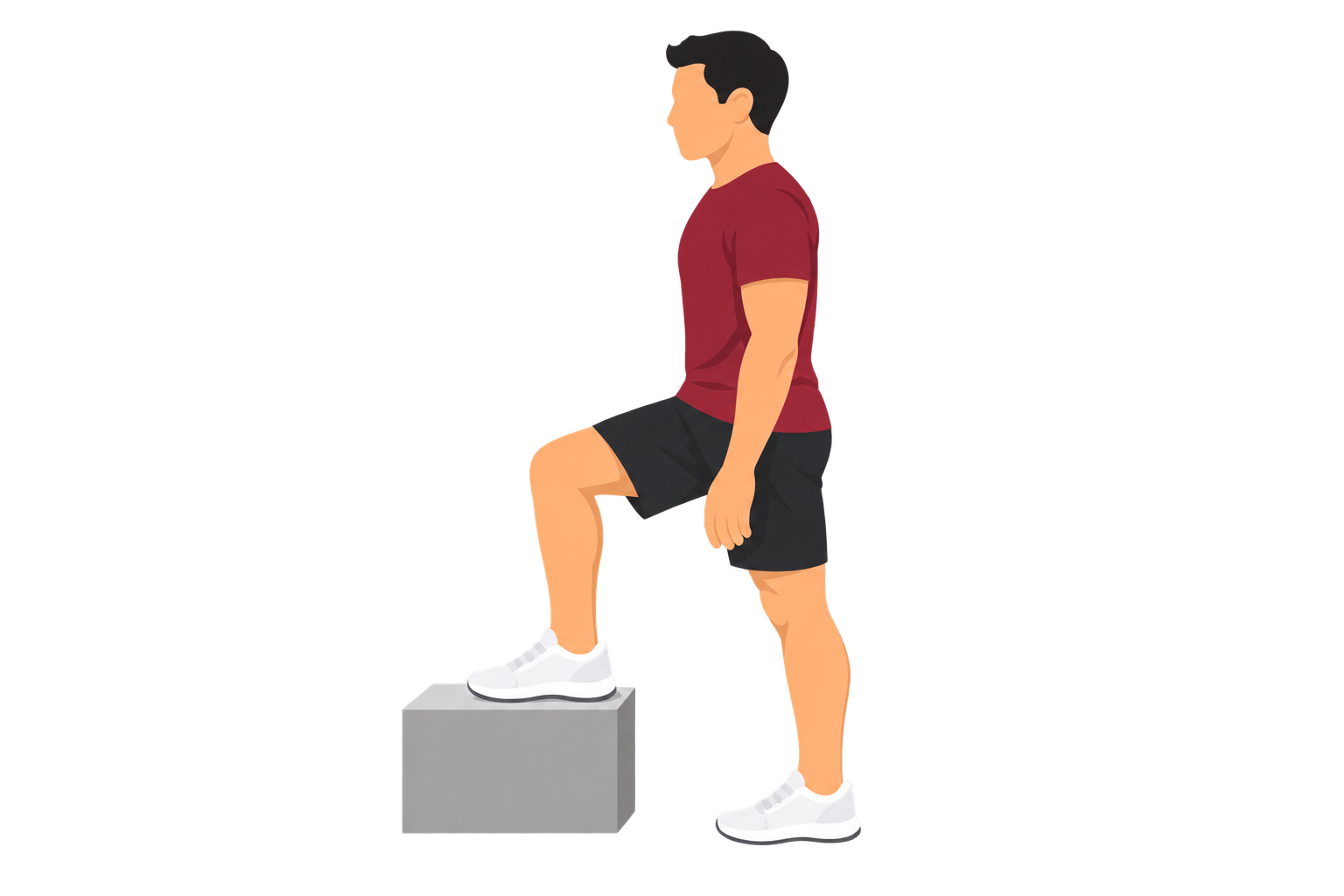
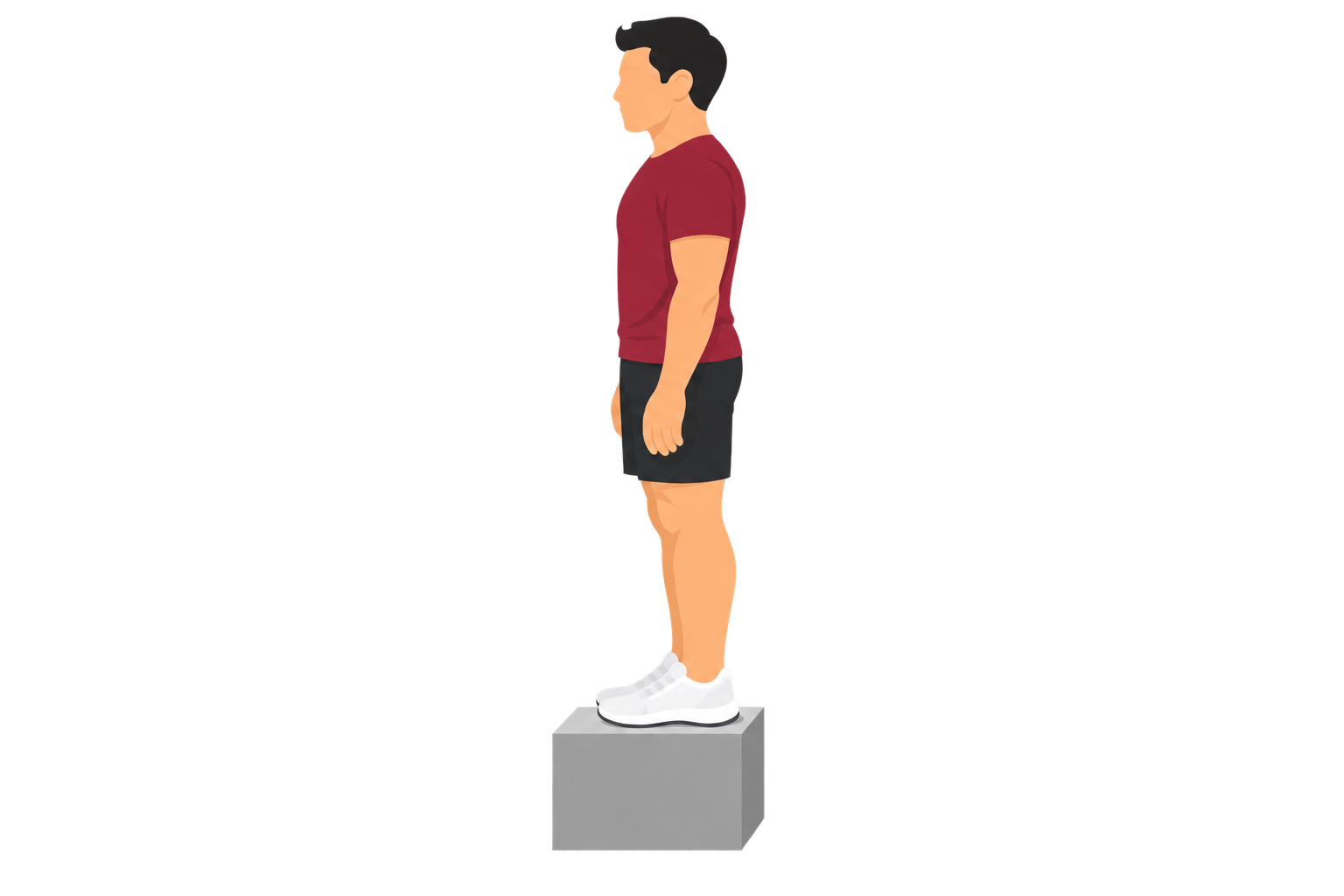
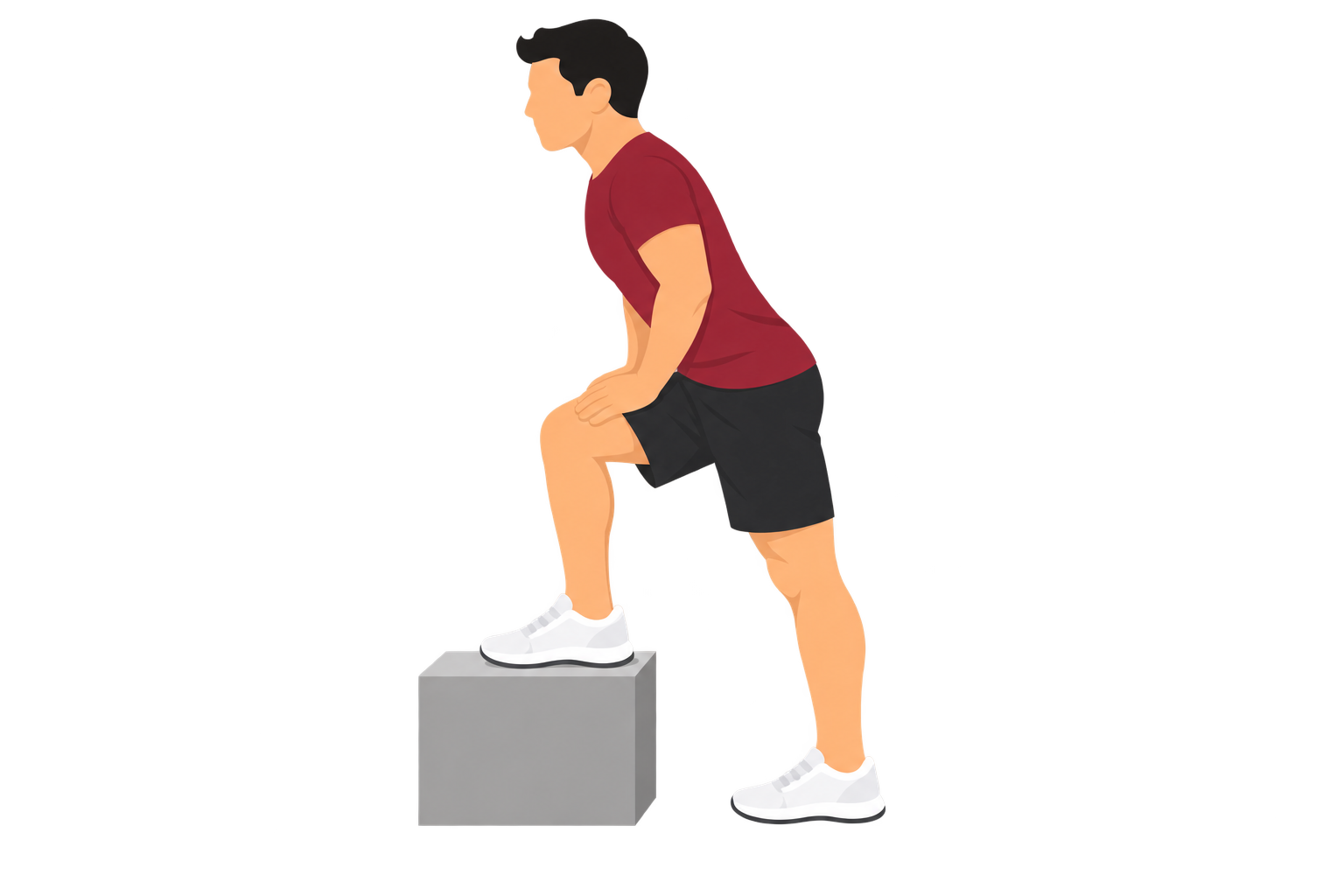
- 5-Minute Step Test. Step up and down on a 14-inch step for five minutes to a cadence of 120
beats per minute, in an up-up-down-down sequence (30 full cycles per minute). You may switch your lead foot at
any time, as long as you don’t break cadence or stop moving. You fail if you are off cadence for three
consecutive sequences or six sequences in total, push on your legs with your hands, or stop.
How You Pass
BPA PFT pass rule: meet the standard on all three events.
Pass/fail on each, with no points and no partial credit.
In the official test, the sit-up and push-up counts stop once you reach 25 and 20, and the step test is either
completed or not. So the PFT has no score above passing: clearing all three events is the whole result.
Why One Standard for Everyone
Many fitness tests grade applicants by age, sex, or both. CBP’s stated reason for not doing so here is that
the job requirements are the same for every Border Patrol Agent, so the test and its standards are too. That is
why this calculator has no age or sex fields.
Reading Your Margins
The breakdown shows how far you cleared or missed each bar: "+8 over min" on a rep event, or a
red "short" figure when you fall below. For the step test it shows "full 5:00",
or, if you entered the time you stopped, how far short of five minutes you were. Because the official count stops
at the minimum, reps above 25 or 20 are a training buffer, useful for knowing you can pass on a bad
day, not an official score.
How to Read the Standards Table
The standards table lists each of the three events, the standard you must hit, your entered result, and whether you
met it (green) or fell below (red). There are no age or sex columns because there is only one standard to show.
What Happened to the Sprint and the 1.5-Mile Run
Older guides and many websites list a 220-yard sprint and a 1.5-mile run as part of the Border Patrol test. Those
events came from the PFT-2, a second test CBP used in the hiring process. CBP’s 2015
Physical Readiness Program lists the PFT-2 as 25 sit-ups and 20 push-ups in one minute each, a 220-yard run in 46
seconds, and a 1.5-mile run in 15 minutes. A 2017 CBP page scheduled the PFT-2 no more than 30 days before entry on
duty and stated that applicants to announcements 17-3 and later only had to take part in it, not pass it.
CBP’s current Border Patrol Agent fitness test page lists only the three events above, so the sprint and the
run are not part of this calculator.
Two other sets of numbers are often mistaken for this test. A 2014 CBP fact sheet lists 17 push-ups, a 50-second
220-yard run, and a 17:15 1.5-mile run for the CBP Officer PFT-2, which is a different job. And 32
sit-ups, 22 push-ups, a 47.73-second 220-yard sprint, and a 14:25 1.5-mile run are the standard for ICE
Homeland Security Investigations special agents, which is a different agency.
A Note on Data Accuracy
Confirm the current requirements. The events and minimums here match CBP’s current Border
Patrol Agent fitness test page. The detailed protocol comes from CBP’s Physical Readiness Program, last
edited in December 2015. CBP can change its procedures, so confirm the details with CBP before you test.
Why These Fitness Qualities Matter
CBP describes its law enforcement fitness standards as job-related and designed to predict an applicant’s
ability to meet academy physical requirements and minimum physical job requirements. The three events cover
complementary capacities: sit-ups test core muscular endurance, push-ups test
upper-body muscular endurance, and the step test checks whether you can sustain steady aerobic work
for five minutes at a fixed pace.
The strength of this kind of test is a clear, equal pass line. Its limit is that it is a general fitness screen,
not a simulation of the job: passing shows a baseline, not job readiness by itself.
Data Sources and Methodology
- CBP Careers, BPA Physical Fitness Test (careers.cbp.gov). The current events and minimums
(25 sit-ups and 20 push-ups in one minute each; a 14-inch step test at 120 steps per minute for five minutes) and
the statement that the standards are the same for all applicants and not based on race, age, or sex.
- CBP, Border Patrol Agent Pre-Employment Fitness Test-1 Physical Readiness Program (cbp.gov, last
edited December 2015). The sit-up, push-up, and step test protocols, the foam-block rule, the 3-minute
intervals, the definition of multiple-hurdle scoring, and the PFT-2 figures.
- CBP, Border Patrol Agent Physical Fitness Test 2 (cbp.gov, 2017). PFT-2 timing and the
change to participation-only for announcements 17-3 and later.
- CBP, CBP Officer Candidate Pre-employment Fitness Test 2 fact sheet (cbp.gov, 2014). The CBP
Officer figures.
- ICE, HSI Physical Fitness Test (ice.gov). The HSI special agent figures.
A note on methodology: the tool runs a simple meet-or-exceed check on each event against a single
standard and reports your margin. No demographic adjustment is applied, because CBP applies none.
Limitations and Important Caveats
- Not an official result. Only a CBP-administered PFT counts. This tool is for self-assessment
and planning.
- Confirm the requirements. Standards and procedures can change; check with CBP before you
test.
- All-or-nothing. Missing any one event fails the test, so train to clear every standard with
margin.
- Practice like the real thing. A step exactly 14 inches high, a metronome set to 120 beats per
minute, and the correct foam block are what make a home result comparable.
- Sequence matters. The events are done back to back with short intervals, so fresh,
separate attempts can overstate your result.
Disclaimer:
This calculator provides an estimate based on the publicly available U.S. Border Patrol Agent Pre-Employment
Fitness Test standards and is intended for general informational and training-reference purposes only. It is not
affiliated with, endorsed by, or an official tool of U.S. Customs and Border Protection, and it does not produce an
official result. The PFT involves maximal-effort sit-ups and push-ups and five minutes of continuous stepping; stop
immediately if you experience chest pain, shortness of breath, dizziness, or joint pain. This tool is not medical,
fitness, or training advice. Consult a healthcare provider before beginning a new exercise or testing program,
especially if you have a heart condition, a recent injury, or any condition aggravated by intense exertion.