How This Calculator Works
This calculator checks your performance on the U.S. Marshals Service Physical Efficiency Battery (PEB), the fitness test Deputy U.S. Marshal candidates must pass immediately before being hired and/or attending Basic Deputy U.S. Marshal Integrated (BDUSMi) training. Federal Enforcement Officer candidates take the same test, with the same minimums, before hiring or the FEO Training Program. Serving deputies and officers retake it bi-annually, in the Service's own word, for the rest of their careers. You enter your sex, age, and results in the three events, and the tool compares each one with the published minimum for your age and sex.
For the run, a lower time is better; for push-ups and sit-ups, more reps are better.
The Three Events
- 1.5-Mile Run — a timed run, measuring aerobic endurance.
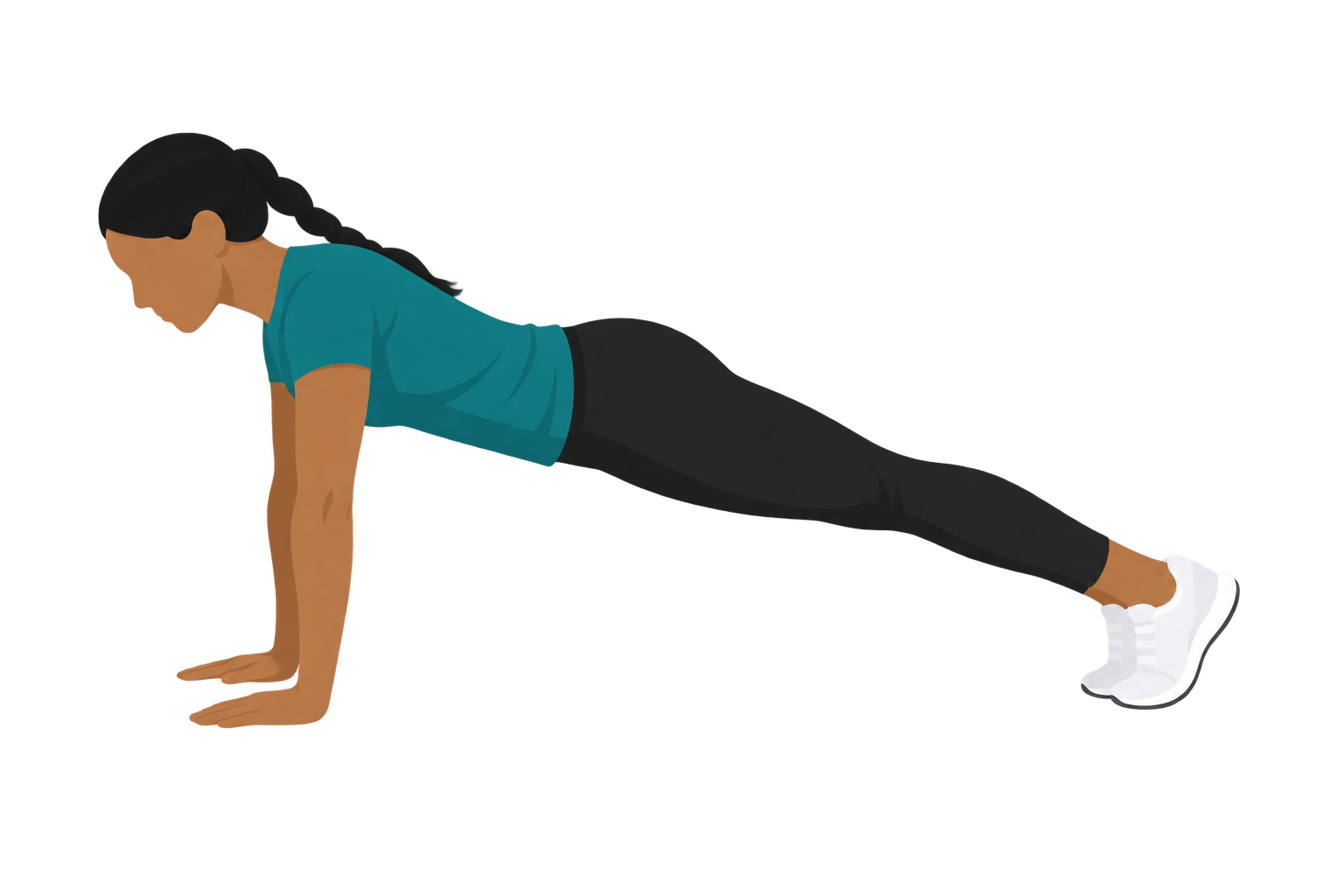
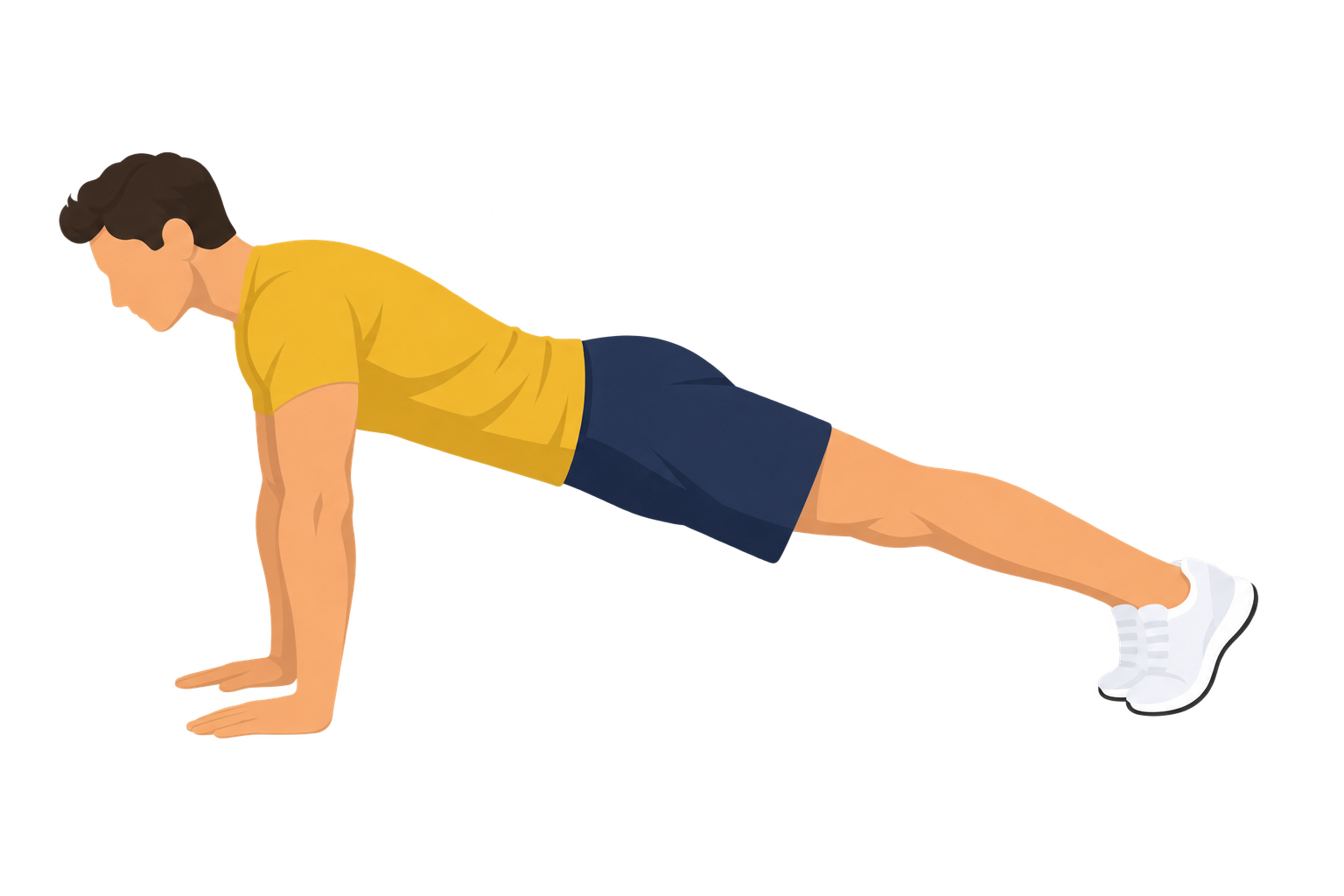
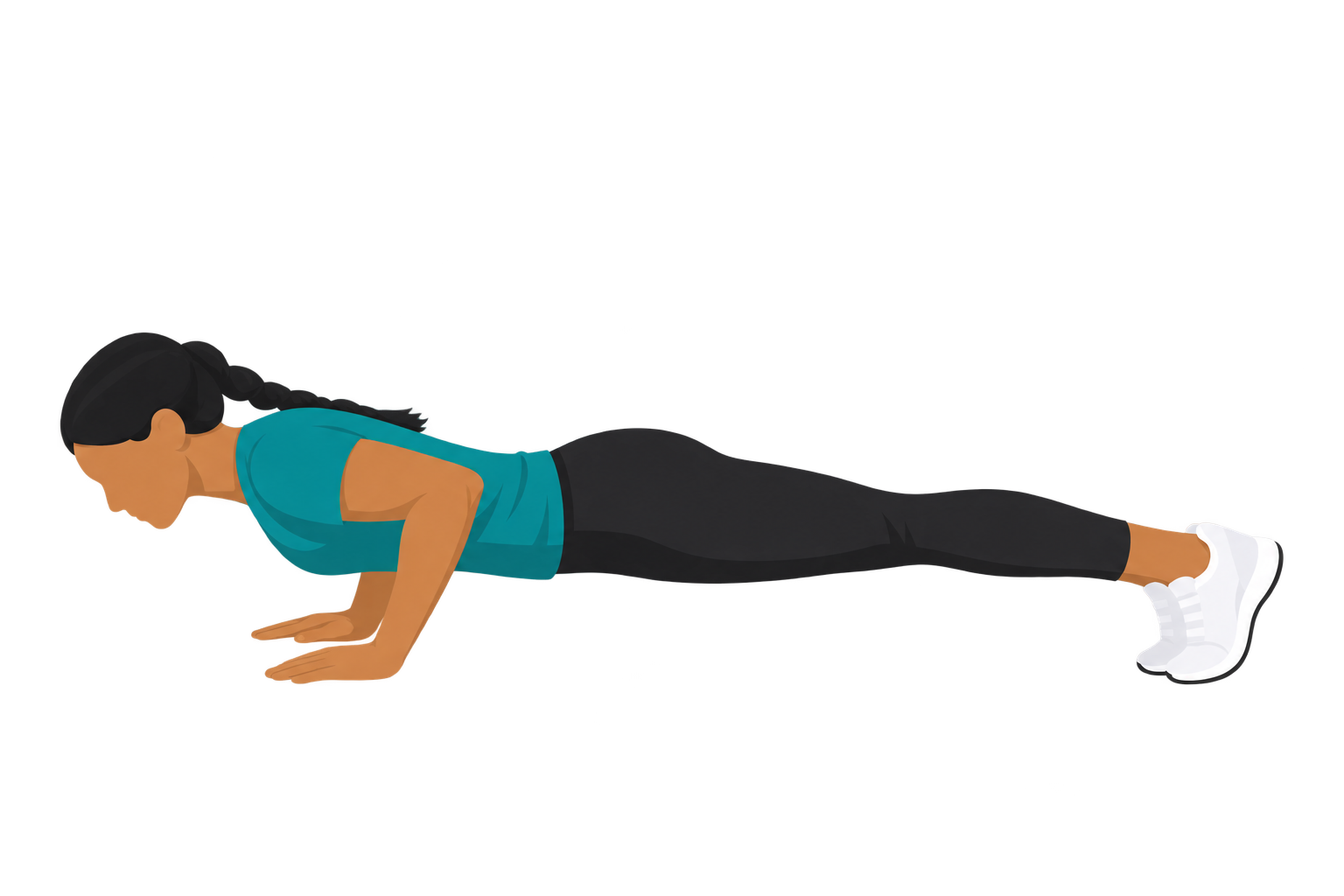
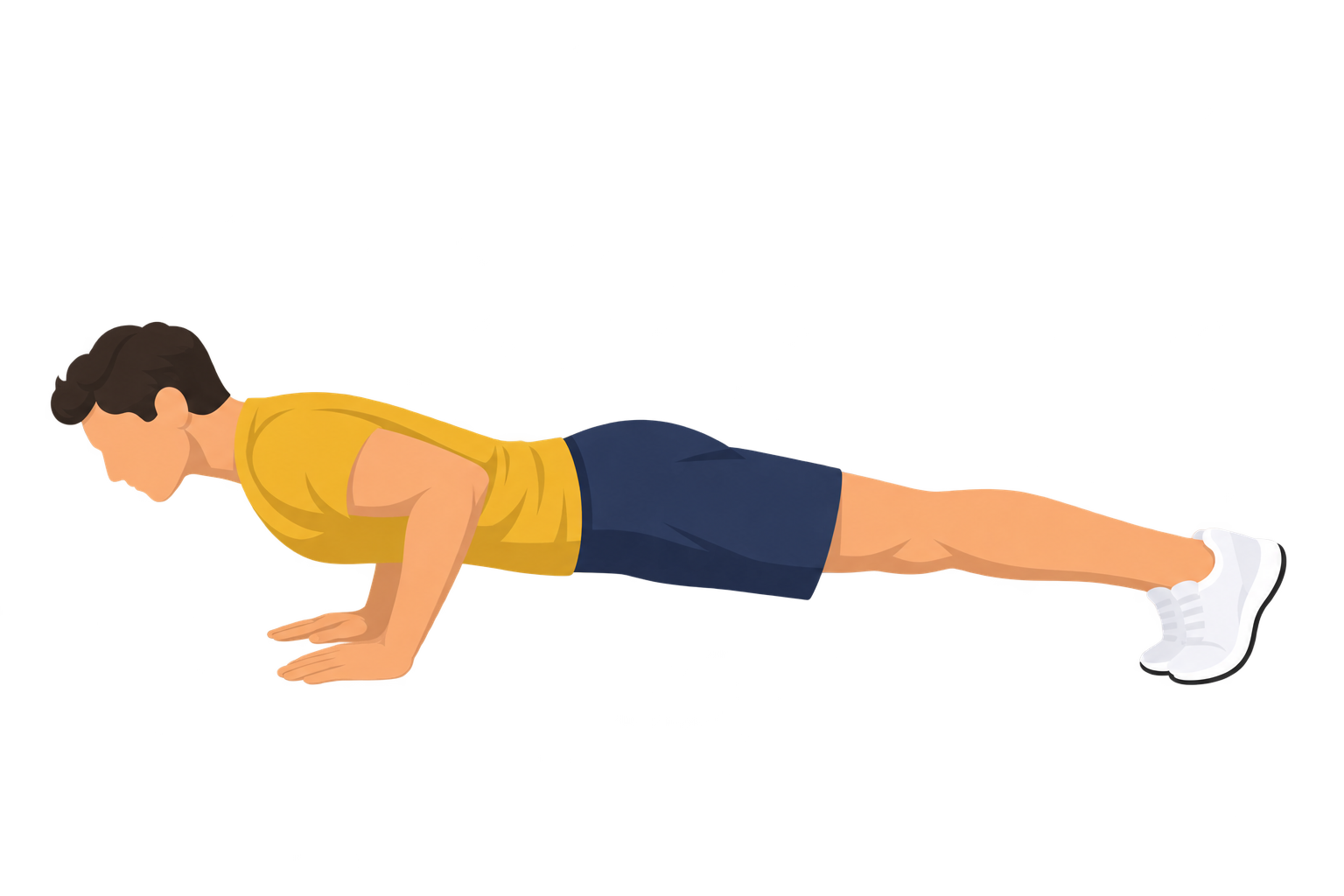
- 1-Minute Push-ups — as many push-ups as possible in 60 seconds, measuring upper-body muscular endurance.
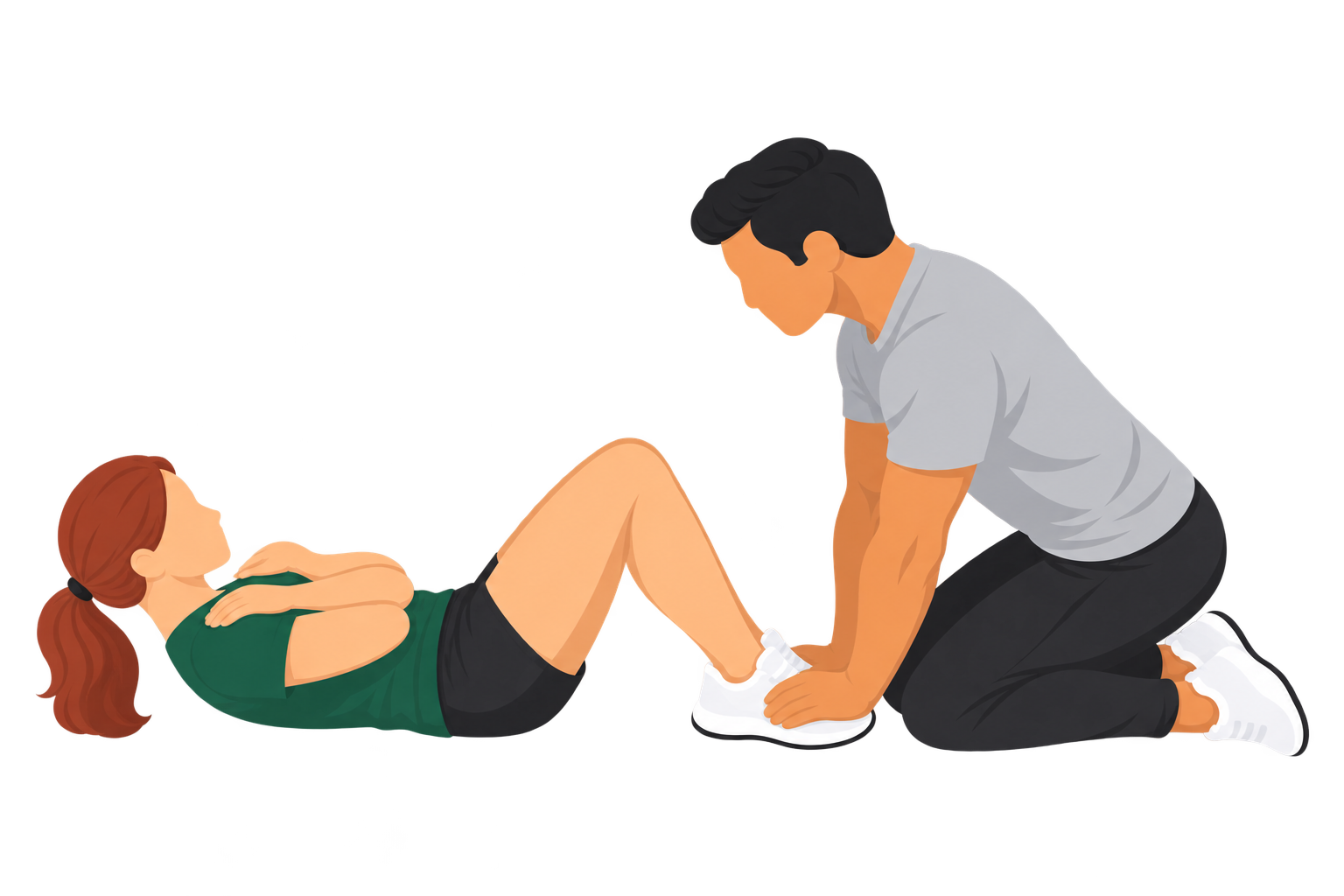
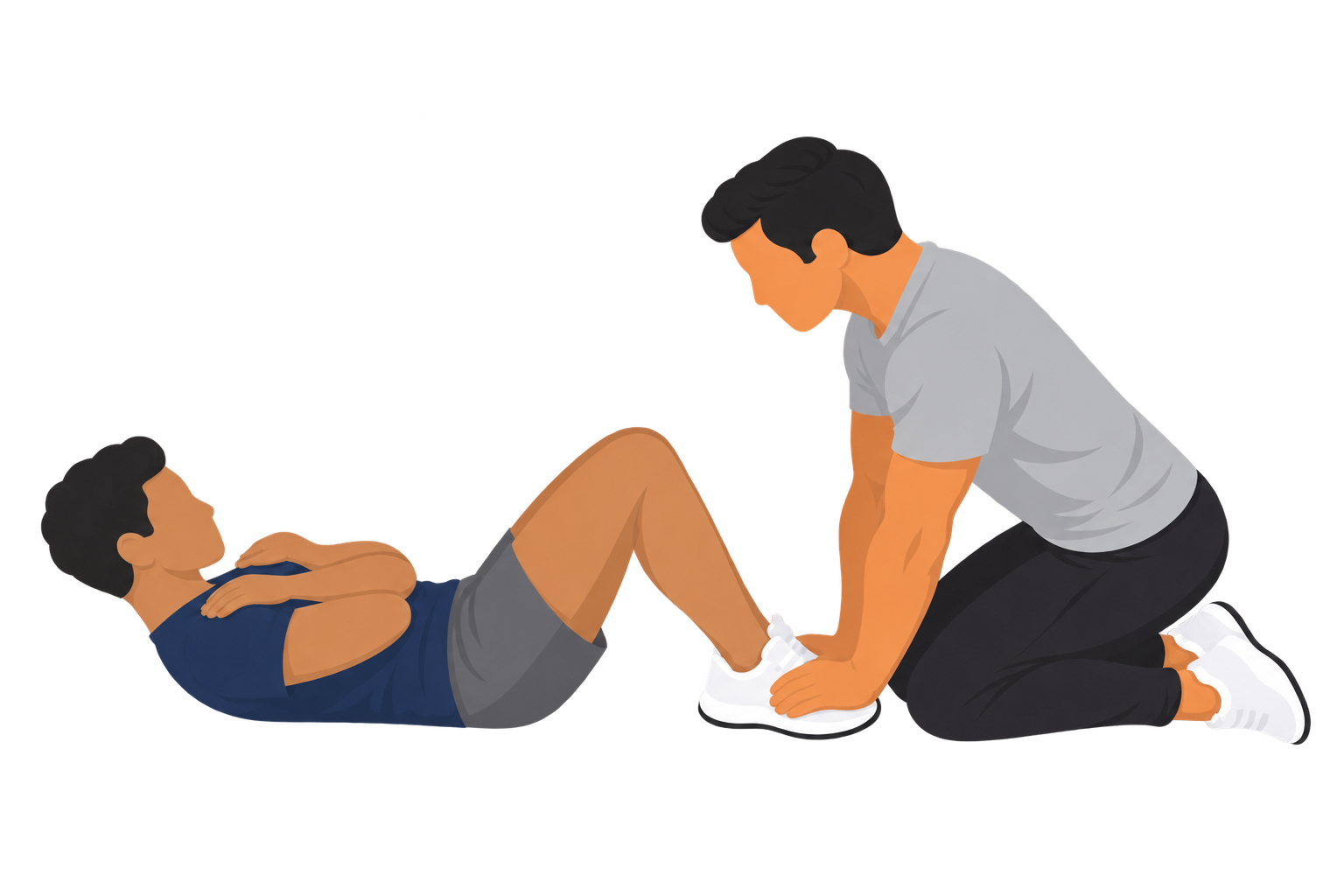
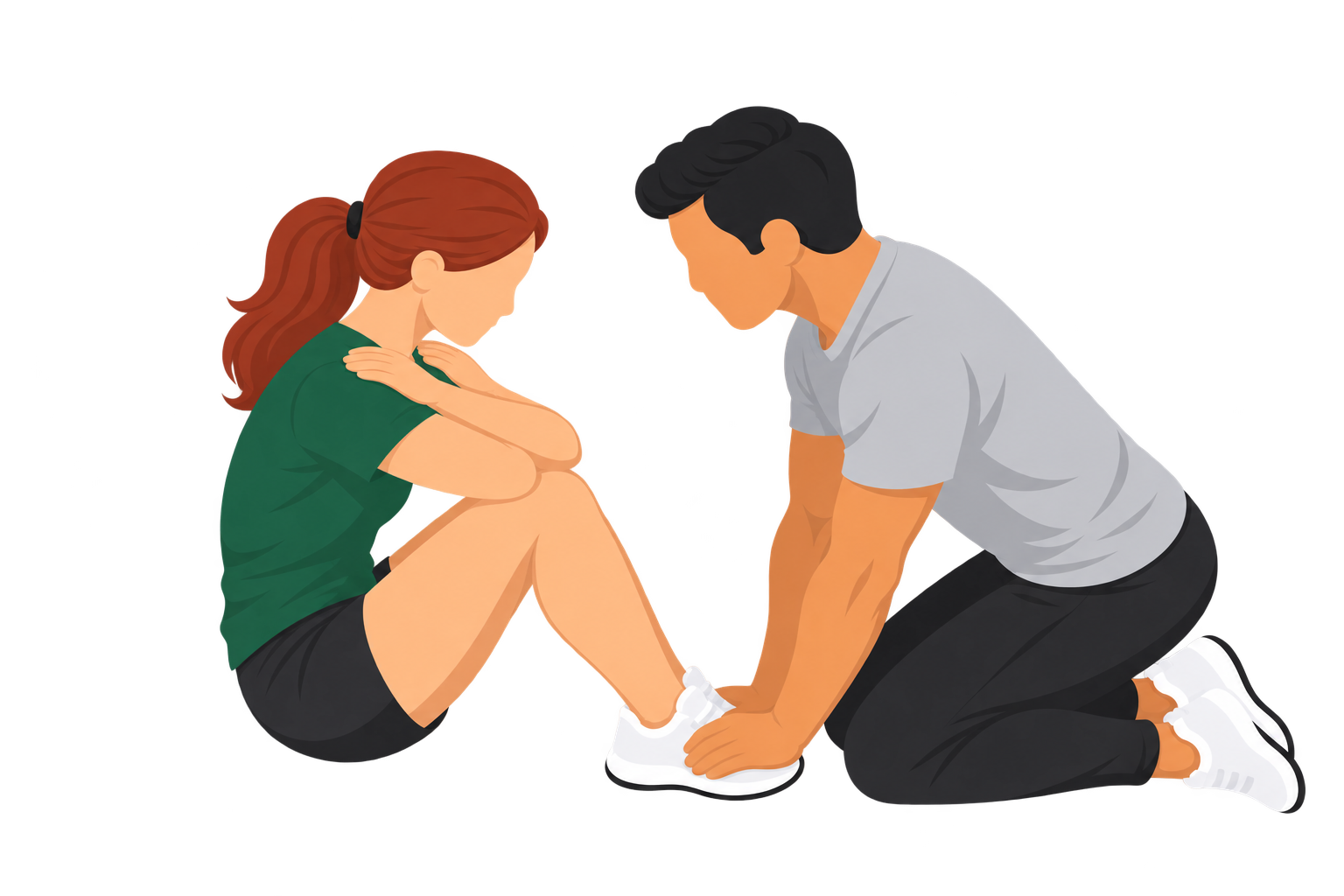
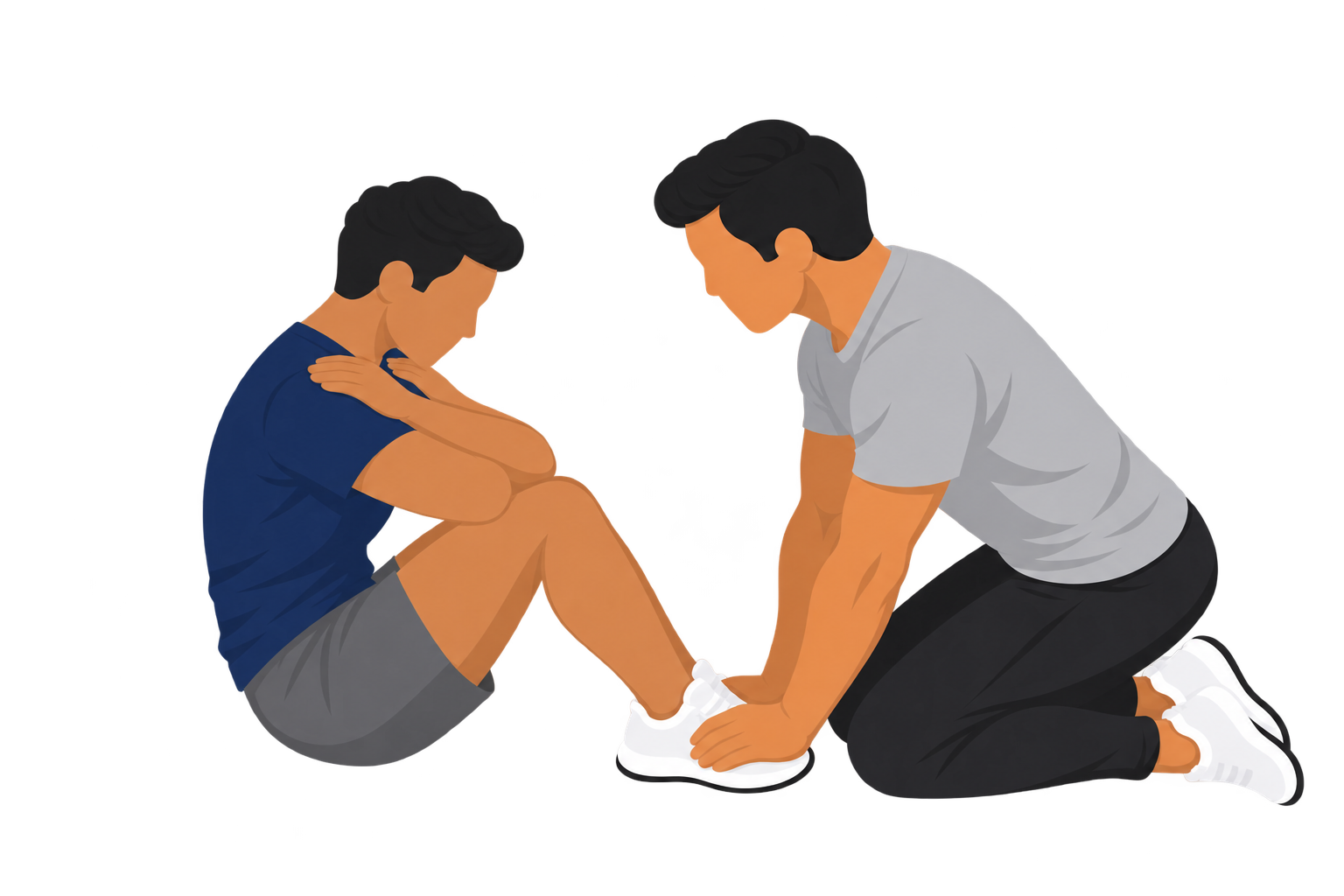
- 1-Minute Sit-ups — as many sit-ups as possible in 60 seconds, measuring core muscular endurance.
How the PEB Is Scored
There are no points. Each event has a minimum standard for your age and sex, and you must meet all three:
PEB pass rule: meet the minimum in all three core events — the run at or under the listed time, and push-ups and sit-ups at or above the listed count.
A strong result in one event doesn't make up for a miss in another. The Marshals Service's page doesn't say whether matching a number exactly counts as meeting it; this calculator treats an exact match as a pass — for example, exactly 33 push-ups or a 12:18 run for a man aged 20–29.
Standards by Age and Sex
The minimums are set separately for men and women, in four age brackets from 20–29 to 50–59, and they ease as age increases. The calculator accepts ages 21 to 59: applicants must be at least 21, and the published standards stop at 59.
What About the Sit-and-Reach?
The published table also lists a sit-and-reach minimum for each bracket, but the page names only the run, push-ups, and sit-ups as the core tests and doesn't describe how the reach is measured. The chart shows it in gray for reference; it isn't part of the pass/fail.
How to Read the Standards Chart
The chart lists the minimum for each event and age bracket for your sex, with your bracket highlighted. Compare your results with your row to see how much margin you have in each event.
A Note on Data Accuracy
Every minimum is copied from the Marshals Service's Fitness Standards page and was checked against it in October 2026; the page was last updated on March 31, 2026. Nothing is estimated or interpolated. The one interpretive choice is treating an exact match as meeting the minimum. Standards can change, so confirm the current ones with a USMS recruiter or at usmarshals.gov before you test.
Preparing for the Test
The Marshals Service also publishes a FIT Readiness ProgramA self-assessment scored out of 40 points from maximum push-ups, a floor touch, a forearm plank, and a 3-mile run, with workouts to help personnel prepare. It is separate from the PEB. to help candidates assess and build their fitness. It is not the hiring standard, and this calculator doesn't score it.
Why These Fitness Qualities Matter
The three events sample complementary capacities: the 1.5-mile run measures aerobic endurance, push-ups measure upper-body muscular endurance, and sit-ups measure core endurance.
The strengths of this kind of test are objectivity and repeatability with minimal equipment. Its limit is that it is a general fitness screen, not a simulation of the job — meeting the standards shows a solid physical base, not job competence by itself.
Data Sources and Methodology
- U.S. Marshals Service — Fitness Standards (usmarshals.gov). The three core PEB events, the minimum standards by age and sex (including the sit-and-reach reference values), when candidates must pass, and bi-annual testing for incumbent deputies.
- U.S. Marshals Service — Federal Enforcement Officer Fitness Standards. The same three core events and the same minimum standards for FEO candidates, and bi-annual testing for incumbent FEOs.
- U.S. Marshals Service — Deputy U.S. Marshal Qualifications. The minimum applicant age of 21 and the requirement to pass fitness testing immediately before training.
- U.S. Marshals Service — FIT Readiness Program. The separate self-assessment for preparing for the test.
A note on methodology: each result is compared directly with the published minimum for your age and sex. There is no scoring model, percentile, or interpolation.
Limitations and Important Caveats
- Not an official result. Only a USMS-administered PEB counts.
- Exact matches. The calculator treats meeting a minimum exactly as a pass; the Marshals Service doesn't state this.
- Sit-and-reach not scored. It is listed in the published table but is not one of the three core tests.
- Fatigue is real. On test day the events come one after another; fresh, isolated attempts can overstate your result.
- Standards can change. Confirm current requirements with a USMS recruiter or at usmarshals.gov.
Disclaimer:
This calculator compares your results with the minimum standards the U.S. Marshals Service publishes for its
Physical Efficiency Battery. It is intended for general informational and training-reference purposes only. It is
not affiliated with, endorsed by, or an official tool of the U.S. Marshals Service, and it does not produce an
official result. The PEB
involves a maximal-effort run and timed calisthenics; stop immediately if you experience chest pain, shortness of
breath, dizziness, or joint pain. This tool is not medical, fitness, or training advice. Consult a healthcare
provider before beginning a new exercise or testing program, especially if you have a heart condition, a recent
injury, or any condition aggravated by intense exertion.