How This Calculator Works
This calculator checks your performance on the ATF Pre-Employment Physical Task Test (PTT) — the fitness screen that gates the ATF special agent hiring process. You enter your sex, age, and your results in three events, and the tool compares each one against the official minimum for your age and sex, then tells you whether you'd qualify.
The most important thing to understand up front: unlike the FBI and DEA tests, the ATF PTT is not a points system. There is no score to accumulate and no way to offset a weak event with a strong one. You simply have to meet or exceed the minimum on all three events. Clear every bar and you pass; miss a single one and you fail.
For the two repetition events, more is better; for the run, a lower time is better. The calculator also shows your margin over (or under) each minimum, so you can see not just whether you passed but by how much.
The Three Events & Protocol
The events are performed in a fixed order — sit-ups, push-ups, then the run — with only minimal rest between themATF's Special Agent Informational Packet specifies 3 minutes of rest between events. You're tested only once in each event, and you must complete and sign the Physical Waiver and Score Sheet before you begin.. Strict form is what makes a result count:
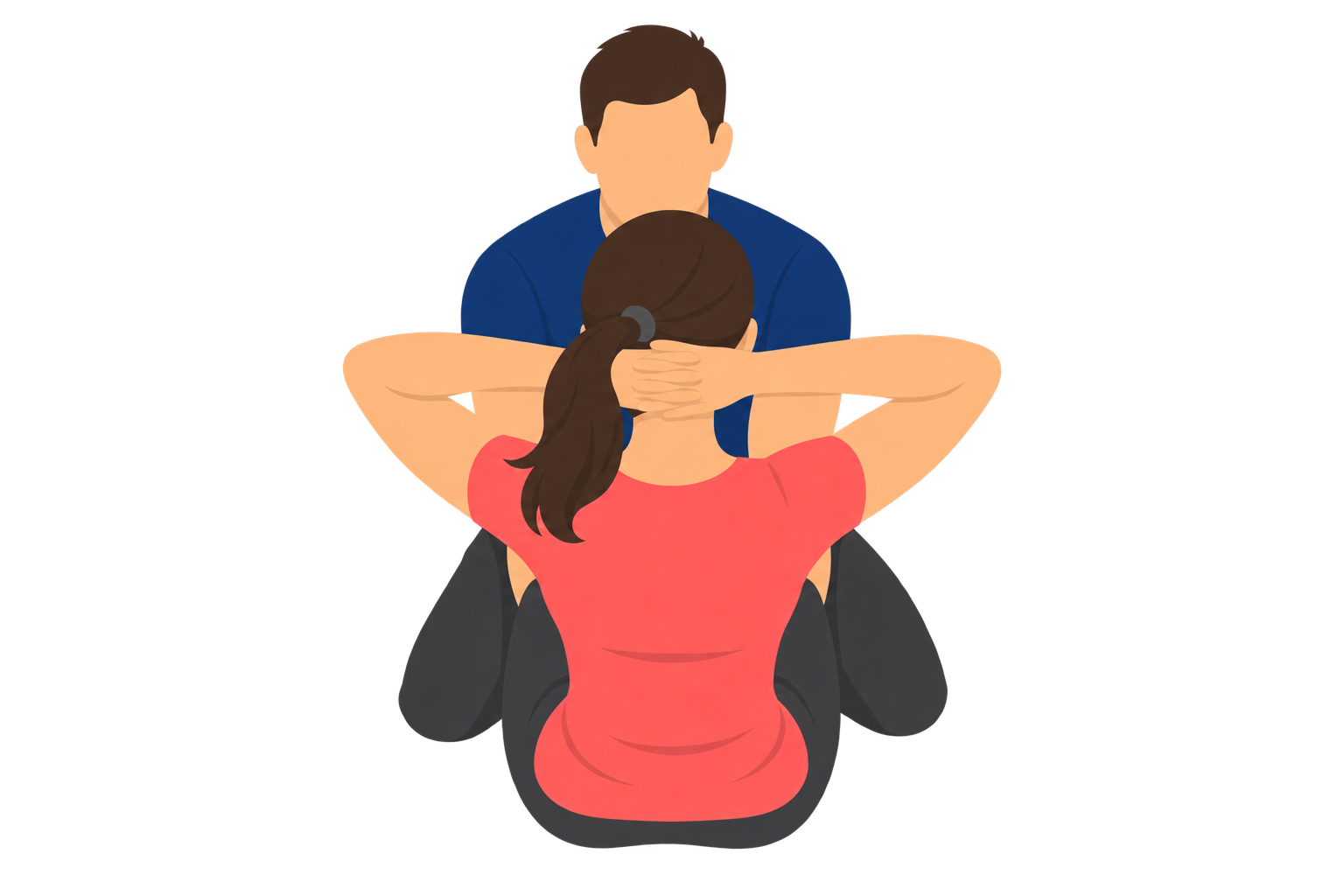
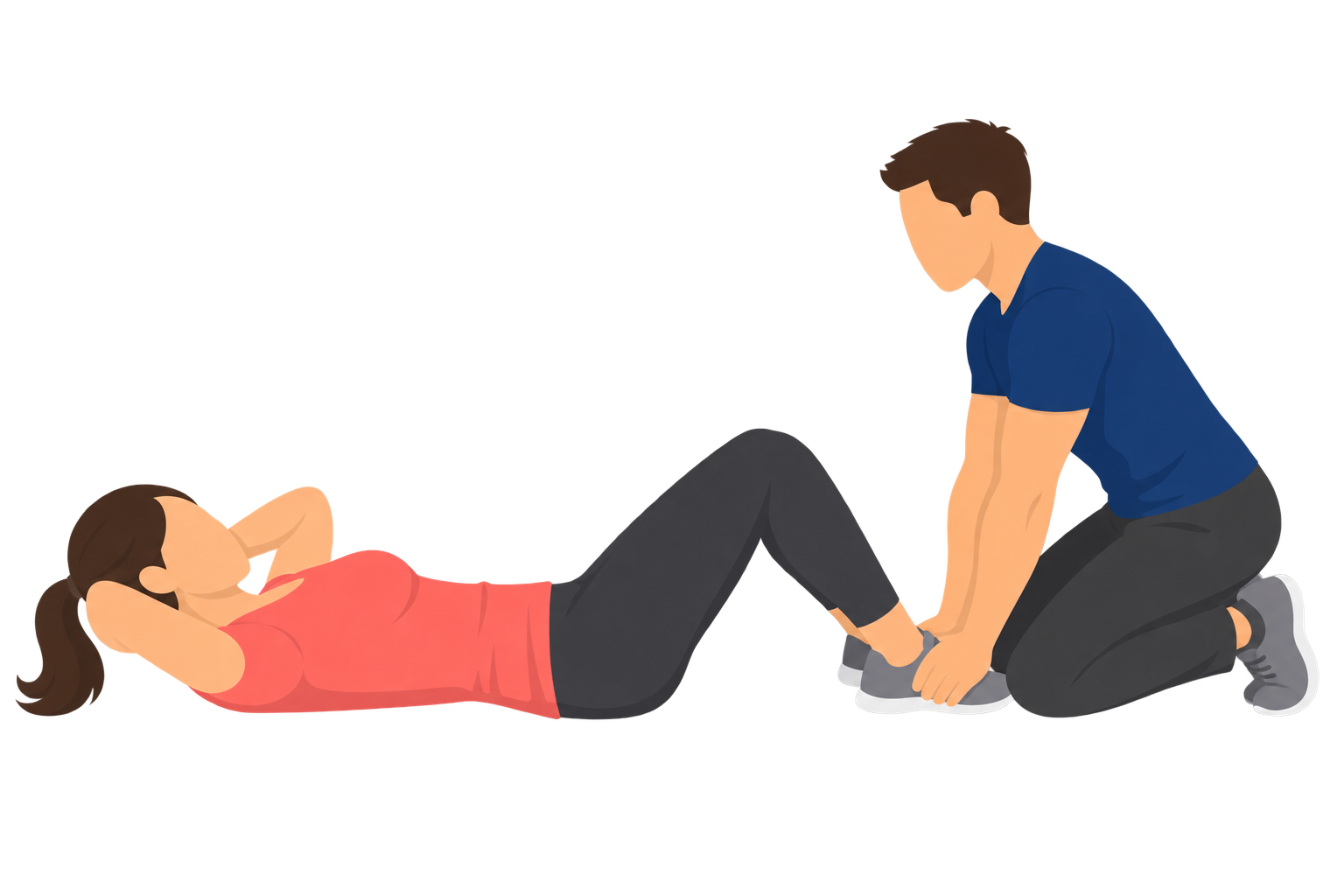
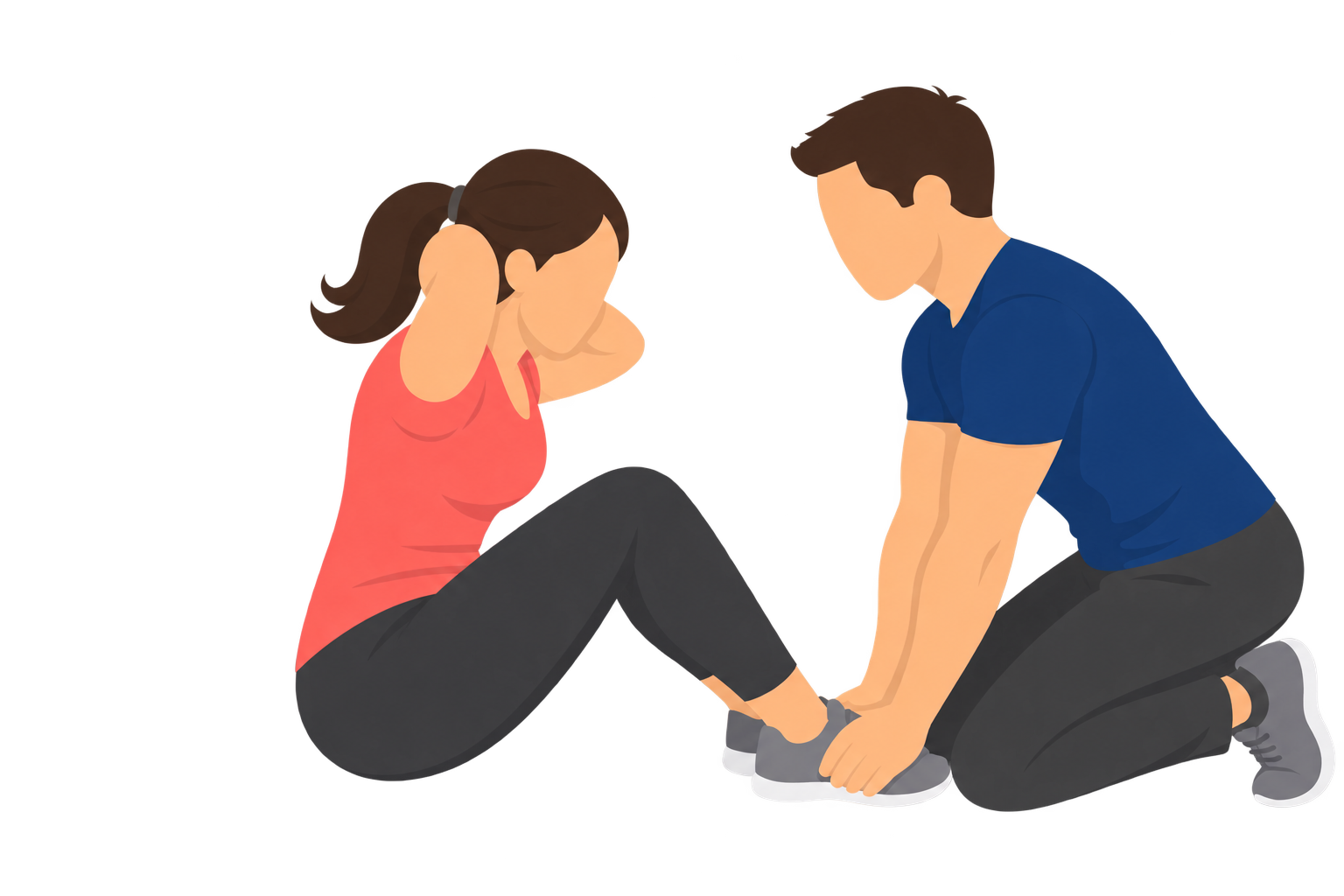
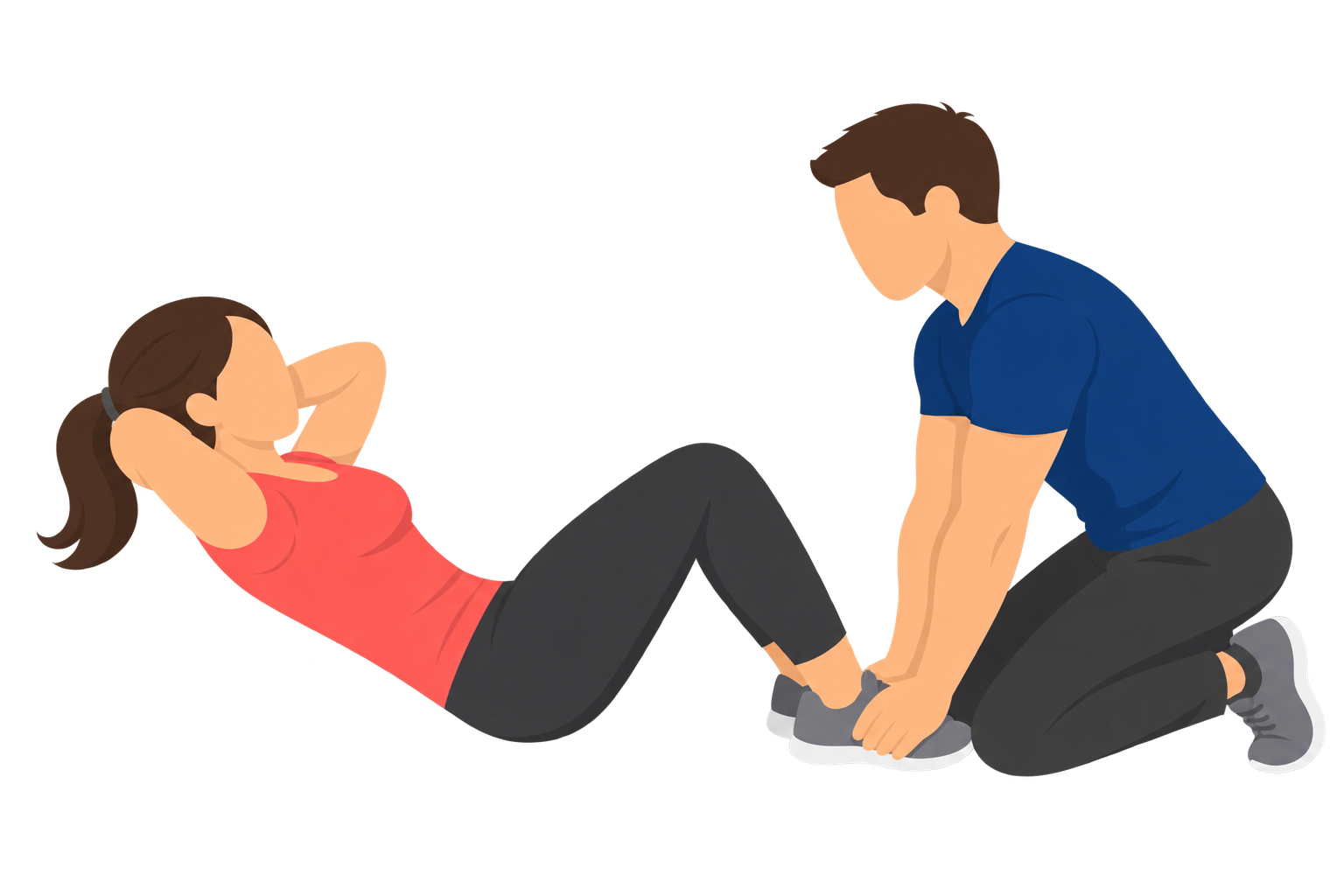
- Sit-ups — maximum in one minute, without stopping. You lie flat with knees bent about 90 degrees and heels on the ground (a partner holds the ankles), fingers interlocked behind the neckNote this is different from the DEA sit-up, which crosses the arms over the chest with each hand on the opposite shoulder. The ATF version keeps the fingers laced behind the neck.. Your face must break the vertical plane on the way up, and your shoulder blades must touch the ground on the way down.
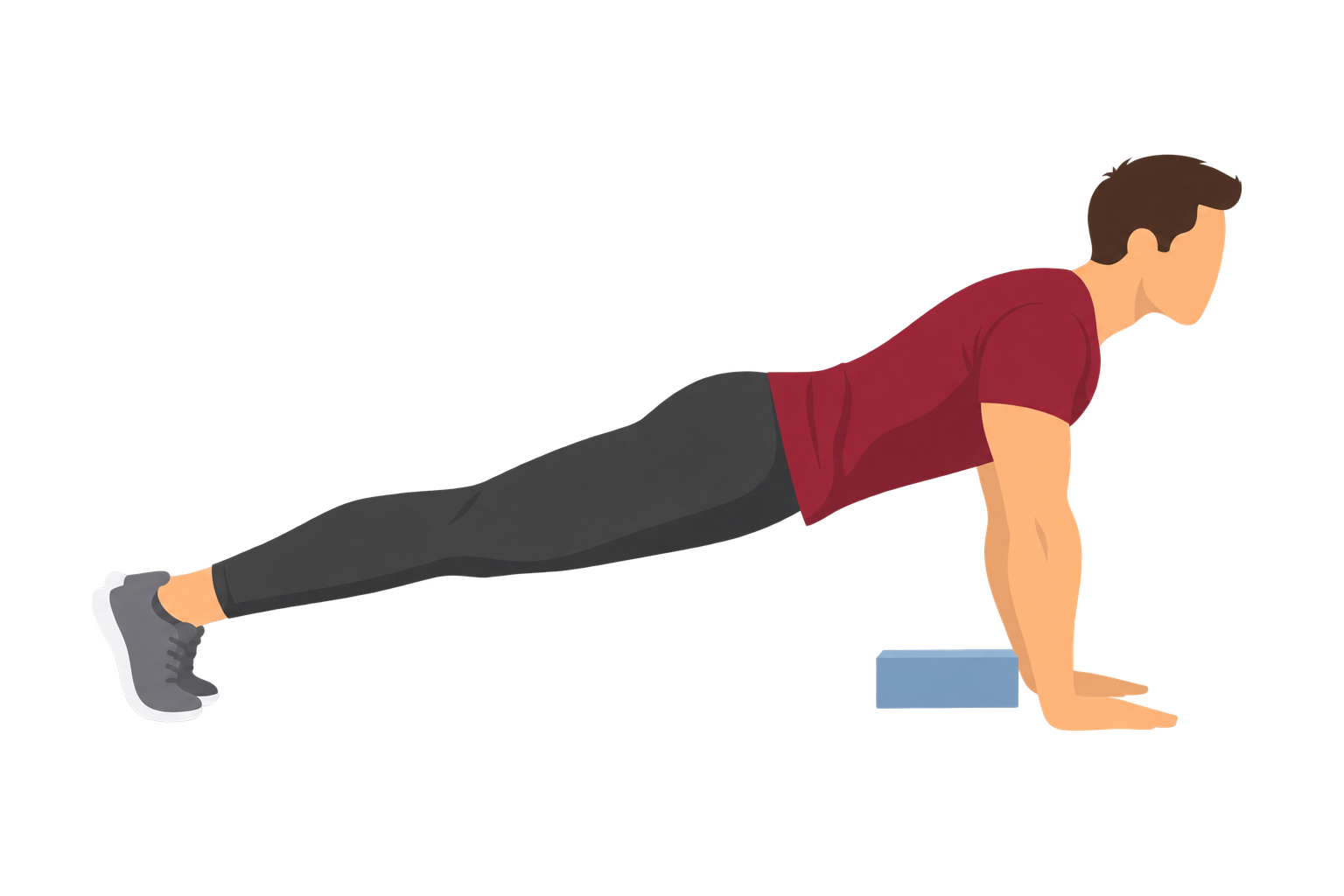
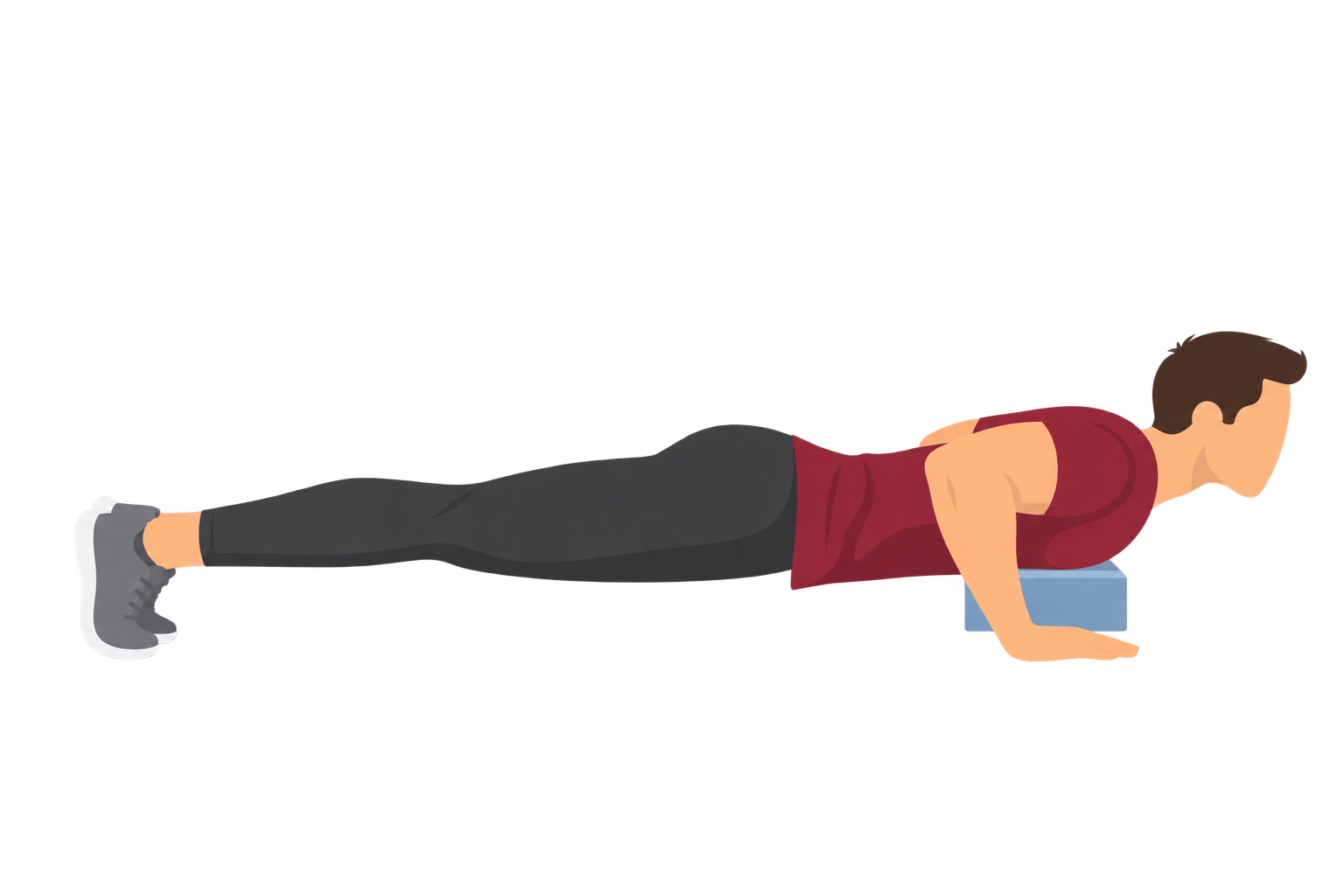
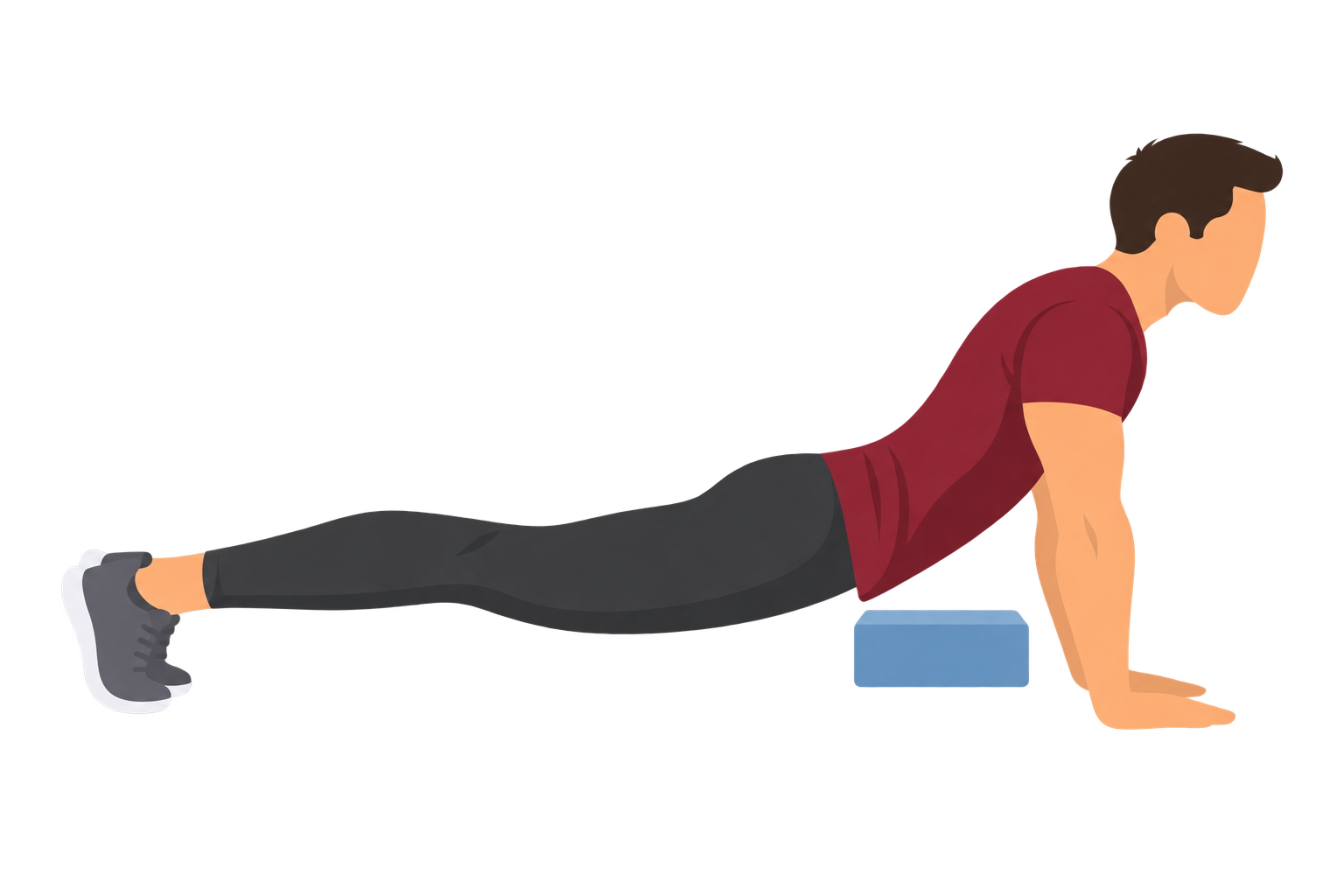
- Push-ups — maximum in one minute, without stopping. From the front-leaning rest with the body straight head to heels, you lower until your chest touches a 4-inch foam blockThe block standardizes depth: every rep must reach the same point. You lock the elbows at the top to complete the rep, and you may only pause to rest in the up (arms-extended) position., then lock the elbows. You may only rest in the up position.
- 1.5-Mile Run — completed as fast as you can, for time.
How You Pass
ATF PTT pass rule: meet or exceed the minimum for your age and sex on
all three events. No points, no partial credit, one attempt.
Two features make this stricter than the points-based tests. First, it is all-or-nothing: a single event below the minimum removes you from the hiring process, no matter how strong the other two were. Second, there is no retestATF states plainly that it does not offer additional opportunities to take the pre-employment PTT. If you don't show up for your scheduled test, you're also removed from the process. — ATF does not give applicants a second pre-employment attempt. That combination means the only sensible target is to clear every minimum with comfortable margin, which is exactly what the margin readout in the result is for.
Why It's Pass/Fail, Not a Score
The FBI and DEA convert each event to points and let a strong event partly carry a weak one. ATF doesn't. ATF doesn't publish its reasoning, but the effect of a floor on every event is clear: being exceptional in one event cannot make up for falling short in another. In practice the test confirms a baseline in each area rather than ranking applicants — so there is nothing to gain by scoring far above a minimum on the test itself (though margin is still useful as a buffer against a bad day).
Why It Adjusts for Both Age and Sex
The ATF PTT grades on both age and sex, unlike the FBI and DEA tests, whose sex-specific scales are flat across age. The minimums step down across three brackets (21–29, 30–39, and 40 and over) and differ for men and women.
ATF doesn't state its reasoning. A reasonable reading is that the PTT works as a baseline fitness screen rather than a simulation of agent tasks, so its minimums are scaled to the applicant rather than set by the job. Note that because ATF applicants generally must be no older than 36 at appointmentThe applicant age cap is 21–36, with exceptions for certain veterans and those with prior federal law-enforcement service. The 40-and-over bracket mainly applies to those exception cases., the 40-and-over bracket applies mainly to applicants covered by the veteran and prior-federal-service exceptions.
Reading Your Margins
Because there's no score, the breakdown reports how far you cleared (or missed) each bar: "+7 over min" on a rep event, or "0:33 to spare" on the run, with a red "short" or "over" figure when you fall below. This is the honest way to show progress on a pass/fail test — it tells you how much buffer you have without inventing tiers the test doesn't have.
How to Read the Standards Table
The standards table lists the three age brackets as rows and the three events as columns, showing the minimum you must hit for the sex you selected. Your bracket row is highlighted, and within that row each cell is colored green if you met it and red if you didn't — so you can see at a glance where you stand and what the neighboring brackets require.
A Note on Data Accuracy
The ATF standards in this calculator are exact, reproduced verbatim from ATF's published minimum-standards table — nothing is estimated. The one thing it deliberately does not model is the higher standard required later in trainingThe same PTT is re-administered in the first week of training to the same minimums. ATF's informational packet says a higher age- and gender-based standard must be met before training ends and points to the Special Agent Training page, but that page lists no PTT numbers. It describes three FLETC Physical Efficiency Battery tests instead, with a minimum score of 25 percent in the 1.5-mile run, agility run, and bench press.: ATF says applicants must pass the PTT again at a higher standard before finishing training, but it does not publish those numbers, so they aren't built into this tool. Guessing at them would undercut the accuracy of everything else.
One honest caveat: agencies revise fitness standards periodically. Treat a result here as an accurate read of the published minimums at the time of writing, and confirm the current table at atf.gov before relying on it.
Why These Fitness Qualities Matter
The three events sample distinct capacities. Sit-ups gauge core and trunk muscular endurance, push-ups gauge upper-body strength-endurance, and the 1.5-mile run gauges aerobic capacity. ATF special agents work in physically demanding and sometimes dangerous environments — executing search warrants, making arrests, and handling the rigors of the academy — so the test confirms a rounded base across strength, endurance, and cardiovascular fitness rather than a single standout quality.
Its strengths are simplicity and objectivity: minimal equipment, clear protocols, an unambiguous pass line. Its limit is that it's a general fitness screen, not a simulation of agent work — clearing the minimums proves a baseline, not job competence by itself.
Data Sources and Methodology
The structure, rules, and standards in this calculator are drawn from official ATF materials:
- ATF — Pre-Employment Physical Task Test (atf.gov). The three events and their order, the movement protocols (including the 4-inch block for push-ups and the behind-the-neck sit-up), the pass rule (meet or exceed every minimum, single attempt, no retest), and the full age- and gender-based minimum-standards table for the 21–29, 30–39, and 40-and-over brackets.
- ATF — Special Agent Informational Packet (atf.gov). The 3-minute rest interval between events, the re-administration of the PTT in the first week of training, and the higher standard required before training ends (referenced by ATF but not published, so not modeled).
- ATF — Special Agent Training (atf.gov). The three FLETC Physical Efficiency Battery tests given during Special Agent Basic Training (not modeled).
A note on methodology: the minimums here are reproduced exactly, not modeled or interpolated. The calculator evaluates a simple meet-or-exceed test for each event and reports your margin; the only thing it adds beyond the official table is that margin readout.
Limitations and Important Caveats
- Not an official result. Only an ATF-administered PTT counts. This tool is for self-assessment and planning.
- One attempt, no retest. ATF does not offer a second pre-employment PTT, so aim well above the minimums rather than at them.
- Standards can change. Confirm the current table at atf.gov before relying on a result.
- Protocol fidelity. Behind-the-neck sit-ups breaking the vertical plane, push-ups to a 4-inch block with locked-out elbows, and an accurately measured 1.5-mile run are what make your numbers comparable.
- Fatigue is real. The events run back-to-back with short rest; fresh, isolated attempts can overstate your true result.
- Pre-employment standard only. A higher standard must be met before completing training; ATF does not publish it, and this tool models only the applicant minimums.
Disclaimer:
This calculator provides an estimate based on the publicly available ATF Pre-Employment Physical Task Test standards and is intended for general informational and training-reference purposes only. It is not affiliated with, endorsed by, or an official tool of the ATF, and it does not produce an official result. The PTT involves maximal-effort calisthenics and a timed 1.5-mile run; stop immediately if you experience chest pain, shortness of breath, dizziness, or joint pain. This tool is not medical, fitness, or training advice. Consult a healthcare provider before beginning a new exercise or testing program, especially if you have a heart condition, a recent injury, or any condition aggravated by intense exertion.