How the Deadlift Calculator Works
This calculator estimates your 1 Rep Max (1RM) in the deadlift and compares it to strength standards based on your sex, age, and bodyweight. The 1RM estimate uses two scientifically-tested formulas, and the standards are built from verified world records in two major federations: USAPL (USA Powerlifting) and IPF (International Powerlifting Federation).
Step 1: Estimate Your 1 Rep Max
The calculator estimates your
1RM1 Rep Max — the maximum weight you can lift for a single repetition with proper form. In powerlifting, this is measured with a barbell.
using the average of two well-established formulas. Averaging them reduces the bias of any single formula and gives more reliable estimates across different rep ranges.
BrzyckiDeveloped by Matt Brzycki in 1993. Highly accurate for lower rep ranges (1–6 reps), particularly useful for compound powerlifting movements.: 1RM = Weight ÷ (1.0278 − 0.0278 × Reps)
WathanDeveloped by Wathan in 1994. Uses an exponential model that performs well at moderate-to-high rep ranges (4–8 reps).: 1RM = (100 × Weight) ÷ (48.8 + 53.8 × e−0.075 × Reps)
If you enter 1 repetition, the calculator skips the formulas and uses your lifted weight directly — by definition, the most you can lift for a single rep is your 1 rep max. The result is shown as a whole number in pounds or to the nearest 0.5 in kilograms, matching the smallest plate increments common in powerlifting gyms.
Step 2: Calculate Your Strength Ratio
The strength ratio tells you how much you lift relative to your own bodyweight, making comparisons fair across body sizes.
Strength Ratio = 1RM ÷ Body Weight
For example, a 200 lb lifter with a 500 lb deadlift has a ratio of 2.5×. Elite male deadlift ratios reach roughly 2.5–3.2×, and elite female ratios roughly 1.8–2.3×. The deadlift sits at the top of this scale because it is mechanically efficient and recruits the entire posterior chain.
Step 3: Match to Strength Standards
Your 1RM is compared to standards built from verified federation world records, adjusted for your sex, age, and exact bodyweight, and assigned to one of three tiers:
- Casual — Recreational lifters not competing.
Most recreational lifters who don't compete. Rapid progress is typical with consistent training and proper programming.
- Competitor — Strong enough to enter and place at a meet.
Regional-level competitive strength. Typical of someone with 2–5 years of dedicated training and competition experience.
- Elite — Top-tier national and world-class lifters.
National to world-class strength. Top tier of competitive lifters; typically years of elite-level training and competition.
The thresholds are derived from each weight class's deadlift world record, scaled by age multipliers, and applied to your exact bodyweight and age using continuous interpolation rather than broad categories.
Why Age and Bodyweight Matter
- Bodyweight — Lighter and heavier athletes face different biomechanical realities, so they're compared separately. Instead of forcing you into a broad class, the calculator computes thresholds at your exact bodyweight by interpolating between published class boundaries — a 165.5 lb lifter is held to a 165.5 lb standard, not the 165 or 181 lb one.
- Age — Strength typically peaks between 24 and 40, then declines gradually. Standards are scaled by age multipliers so a 60-year-old isn't measured against a 28-year-old's numbers. The curves (ages 15–75, both sexes) follow USAPL and IPF age-category expectations.
Federation Differences: USAPL vs. IPF
- USAPL (USA Powerlifting): Pound-based weight classes; the primary domestic federation in the United States.
- IPF (International Powerlifting Federation): Kilogram-based weight classes; governs international competition worldwide.
Both are drug-tested raw federations with similar rules, but their records, weight-class boundaries, and competitive pools are independent. Switching between USAPL (lb) and IPF (kg) resets the calculator, since each federation's standards come from its own record data.
About the Deadlift
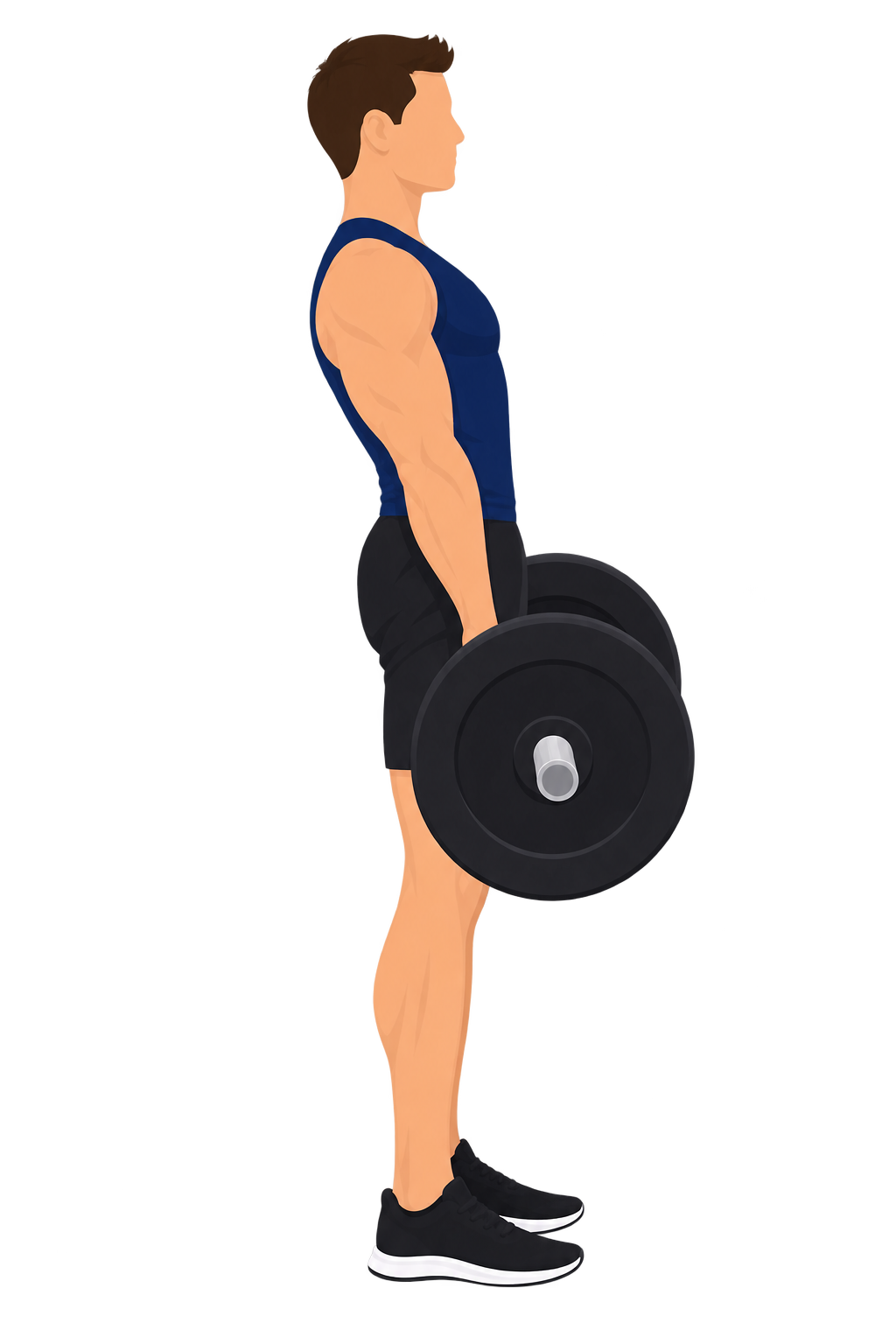
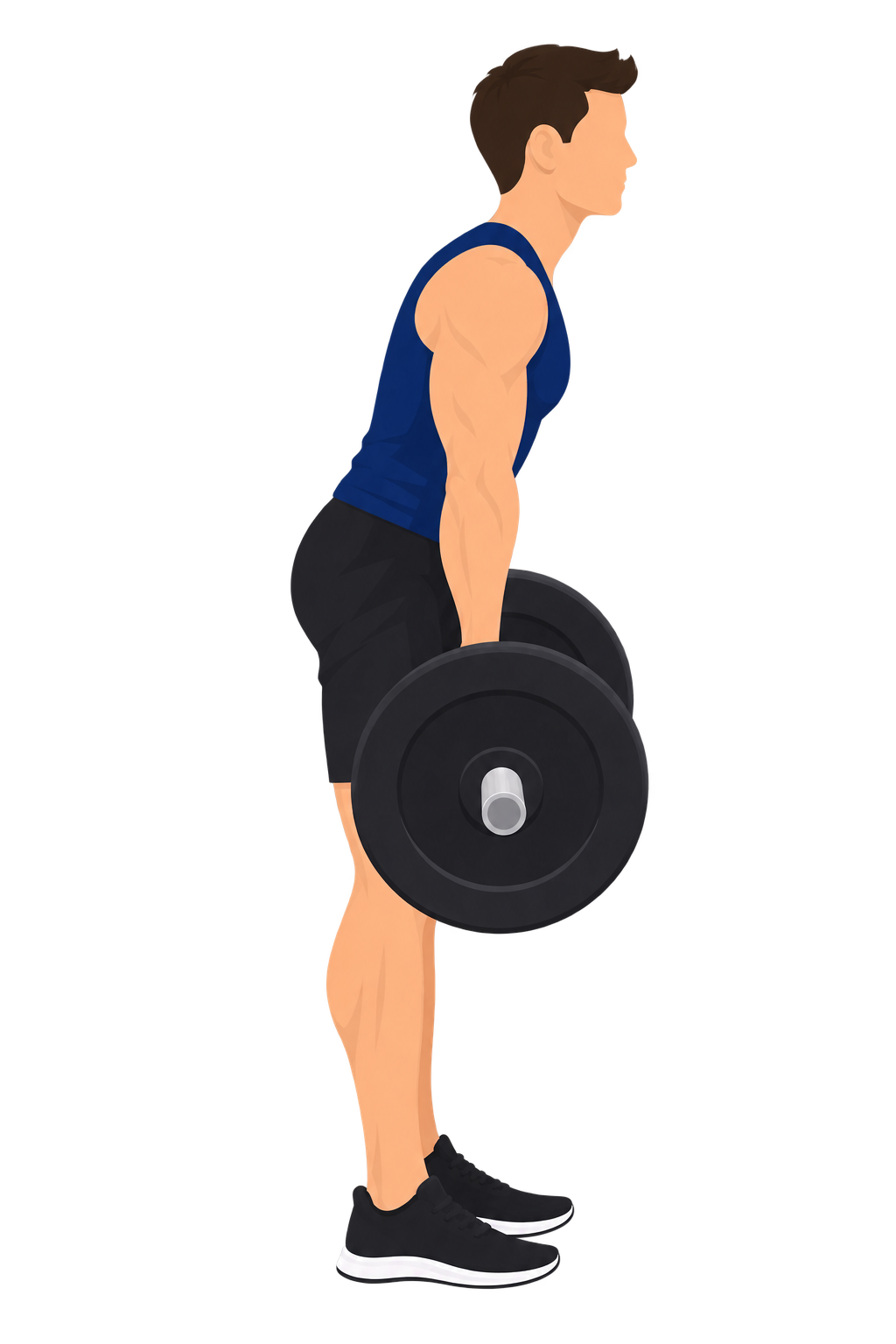
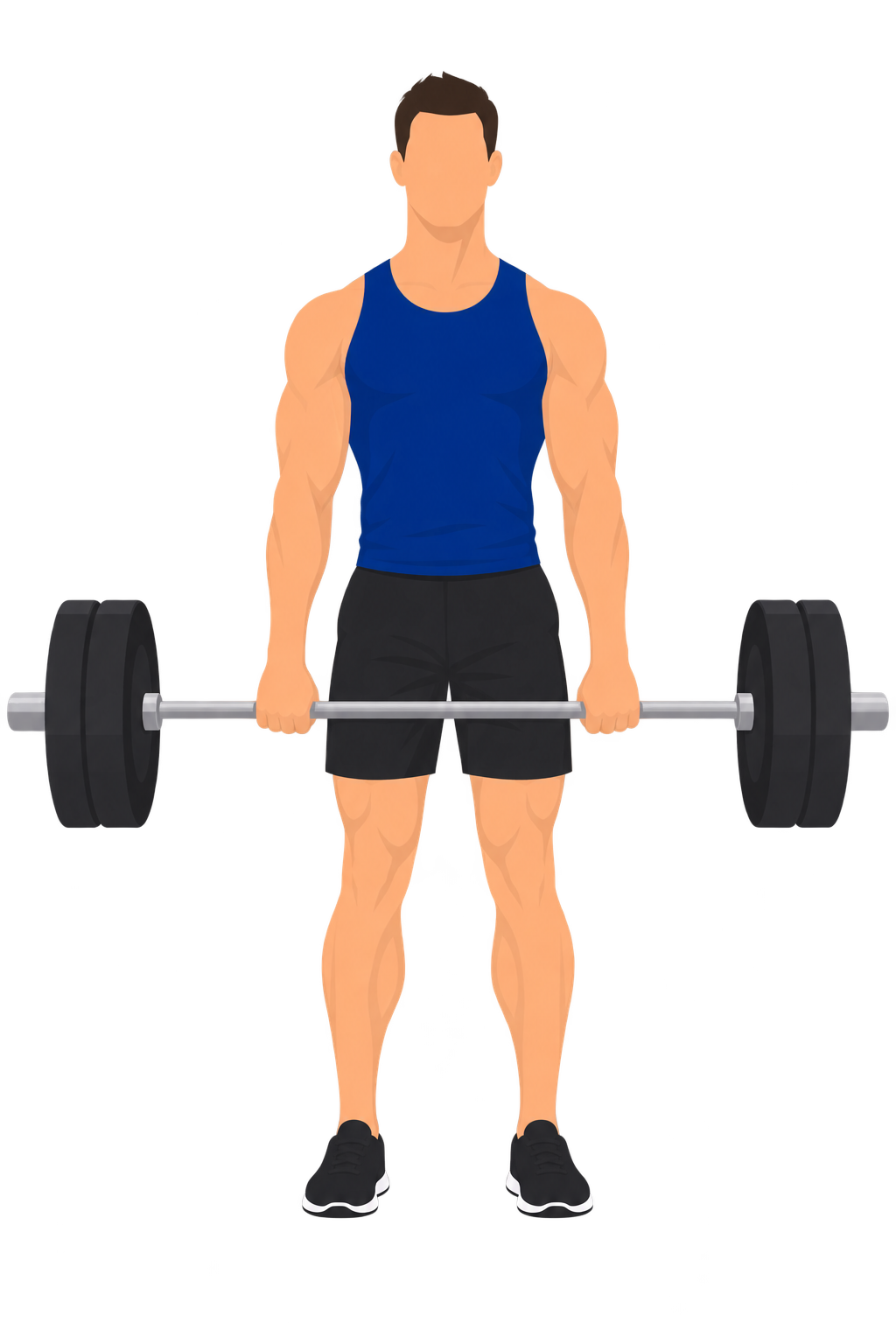
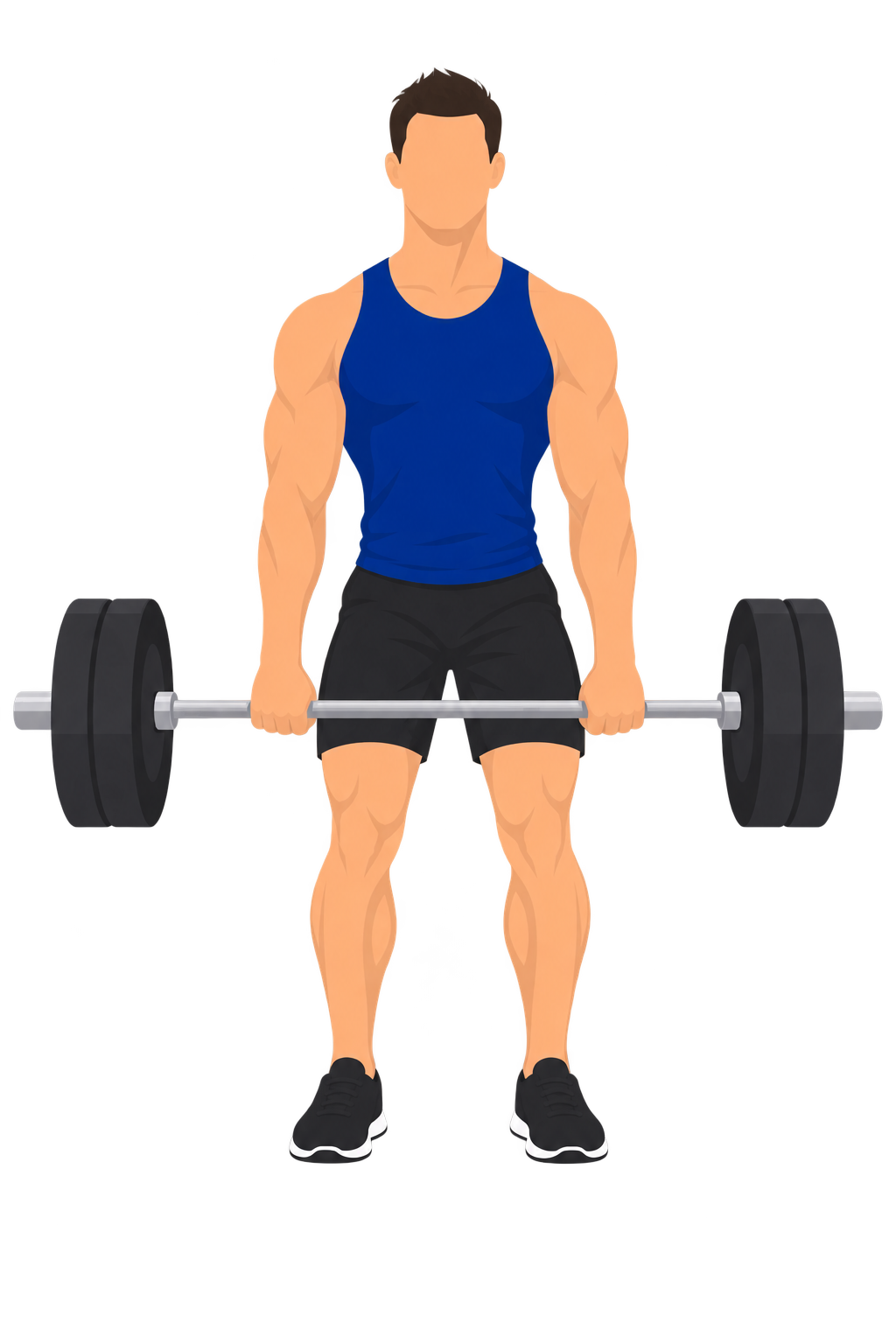
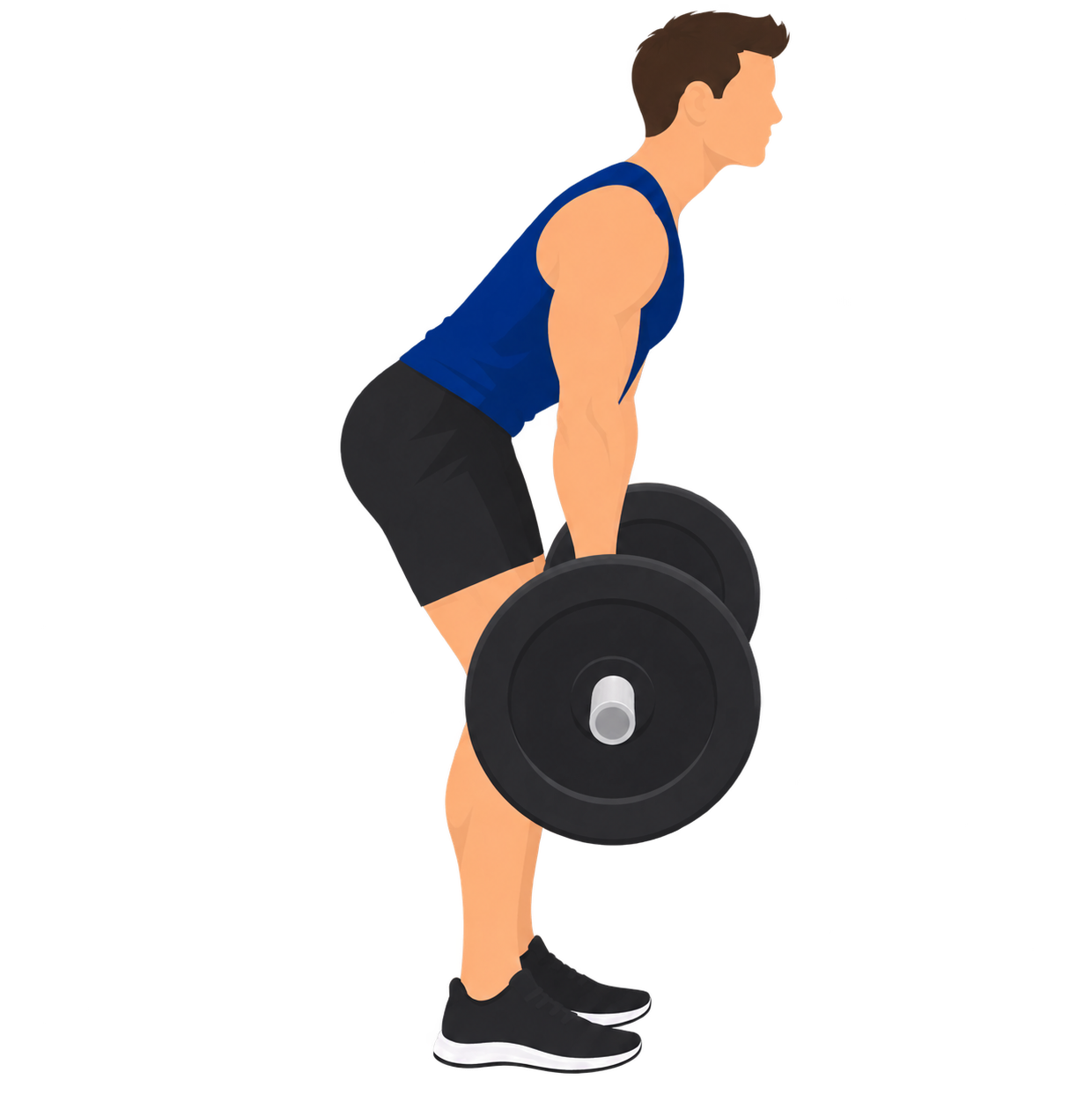
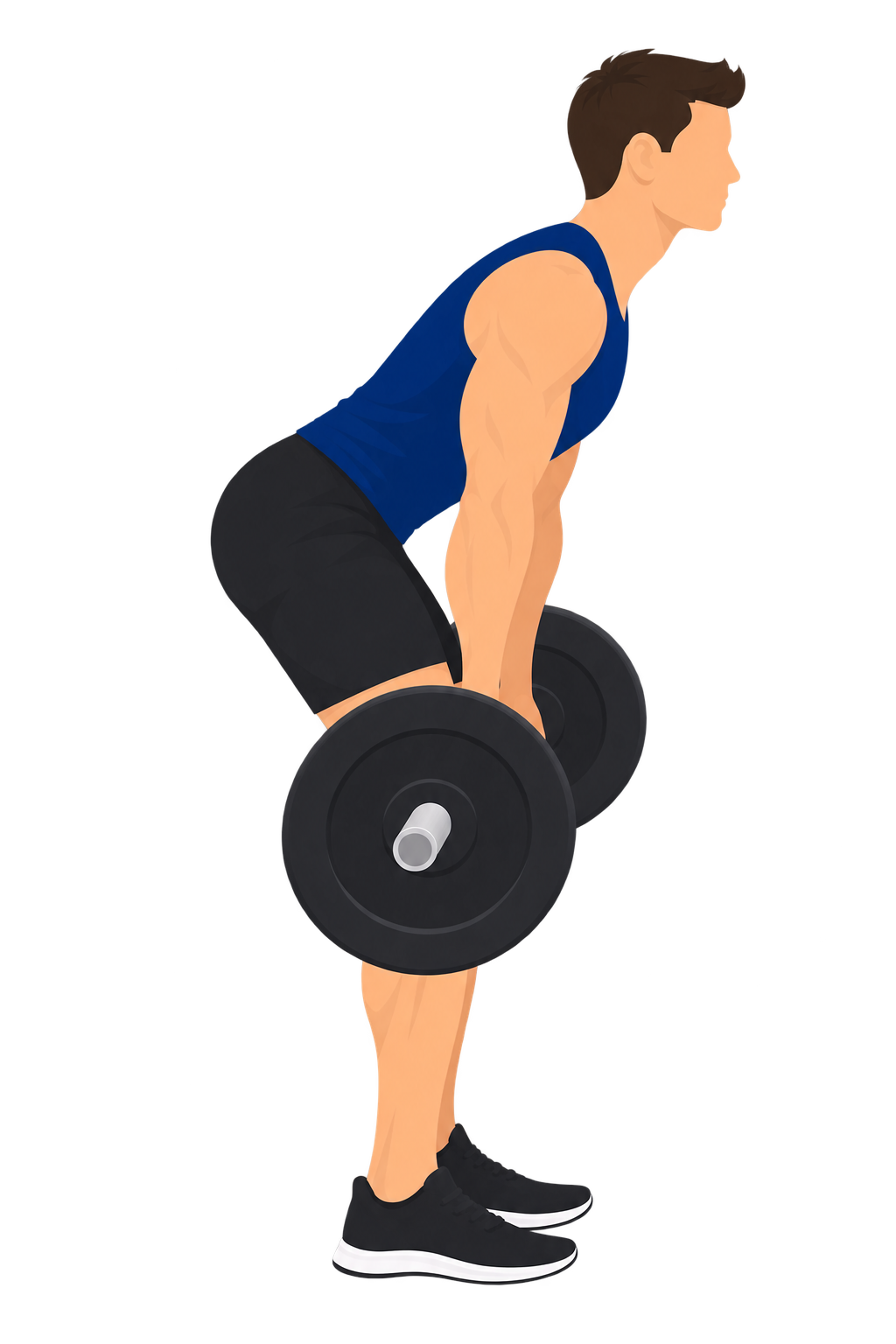
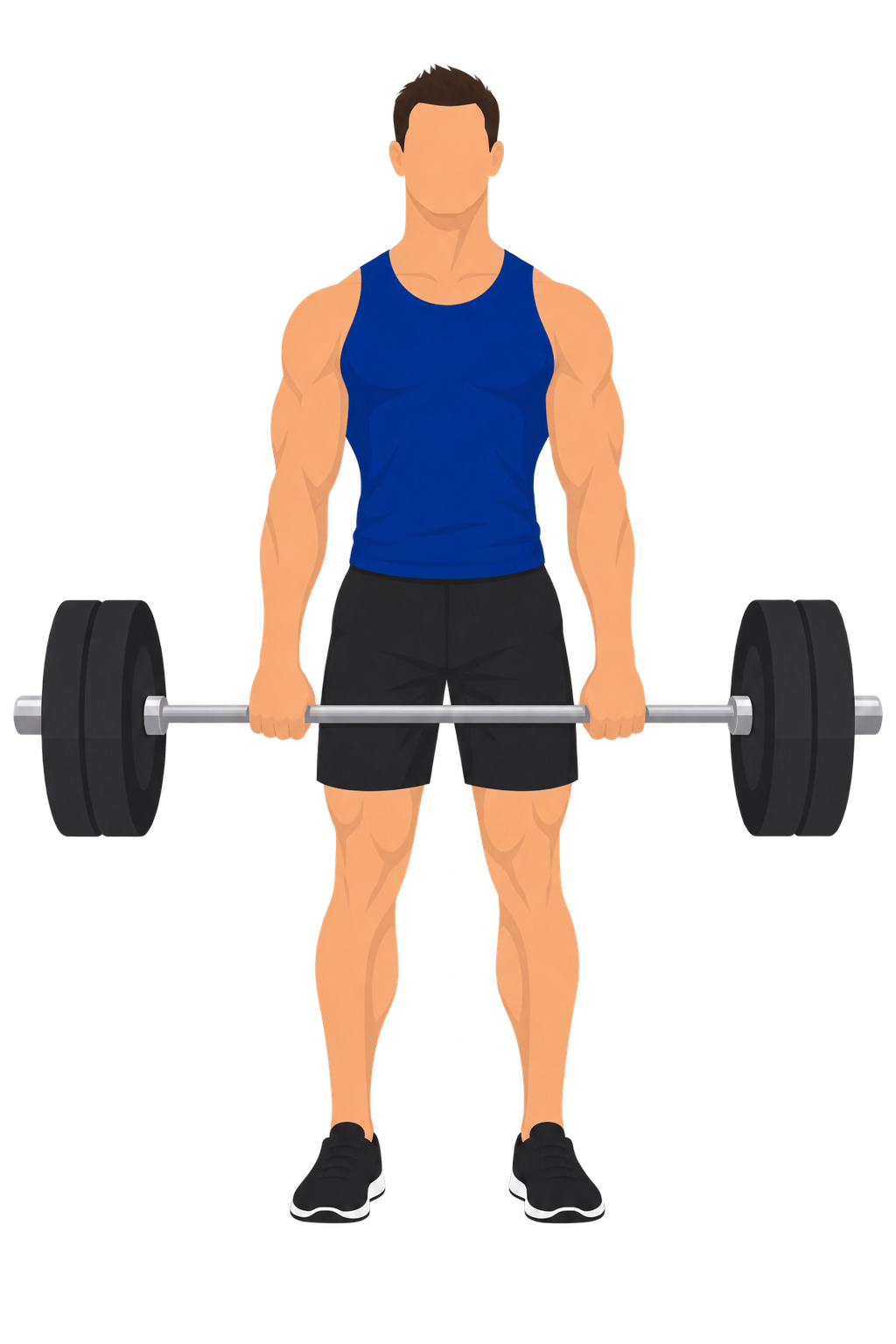
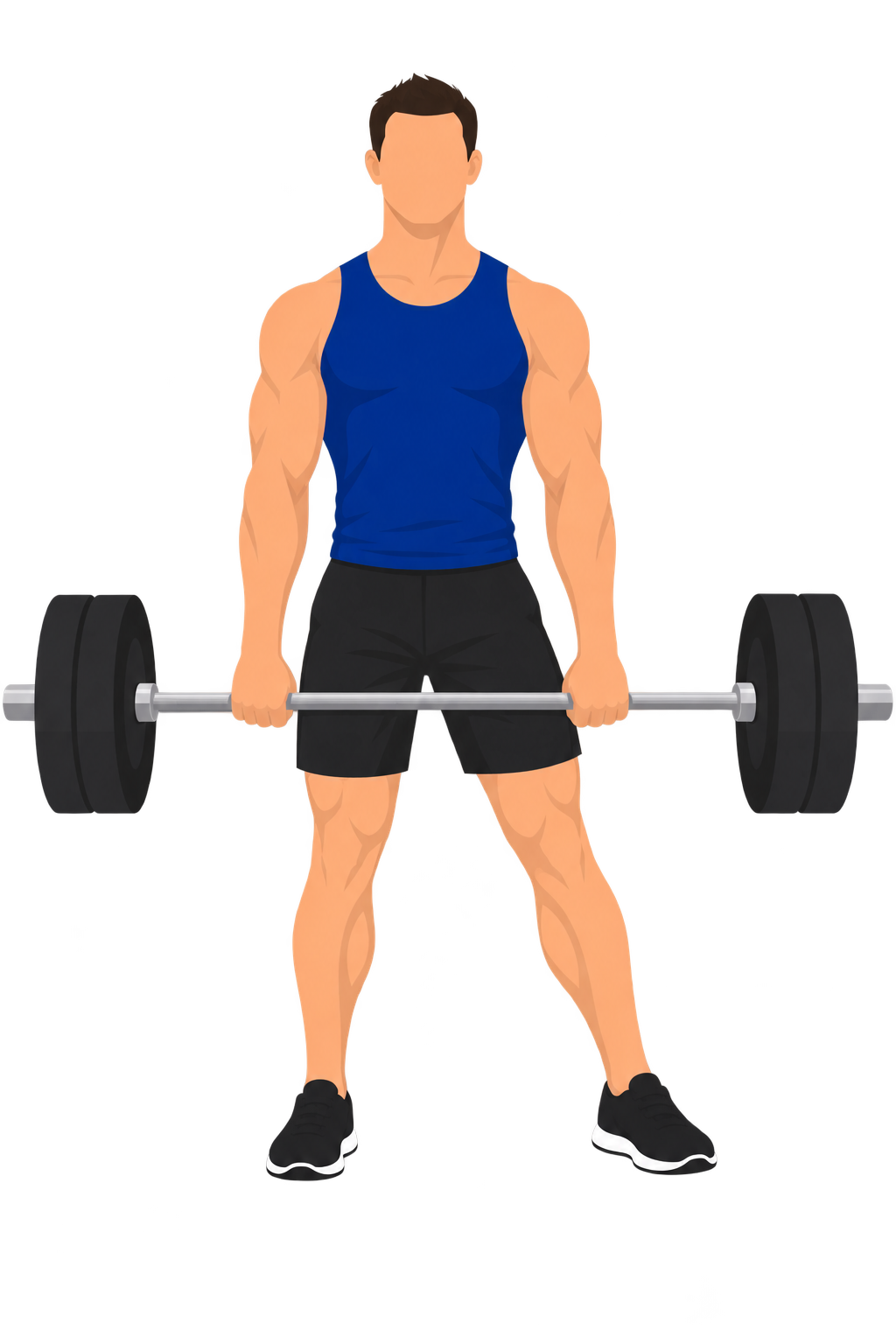
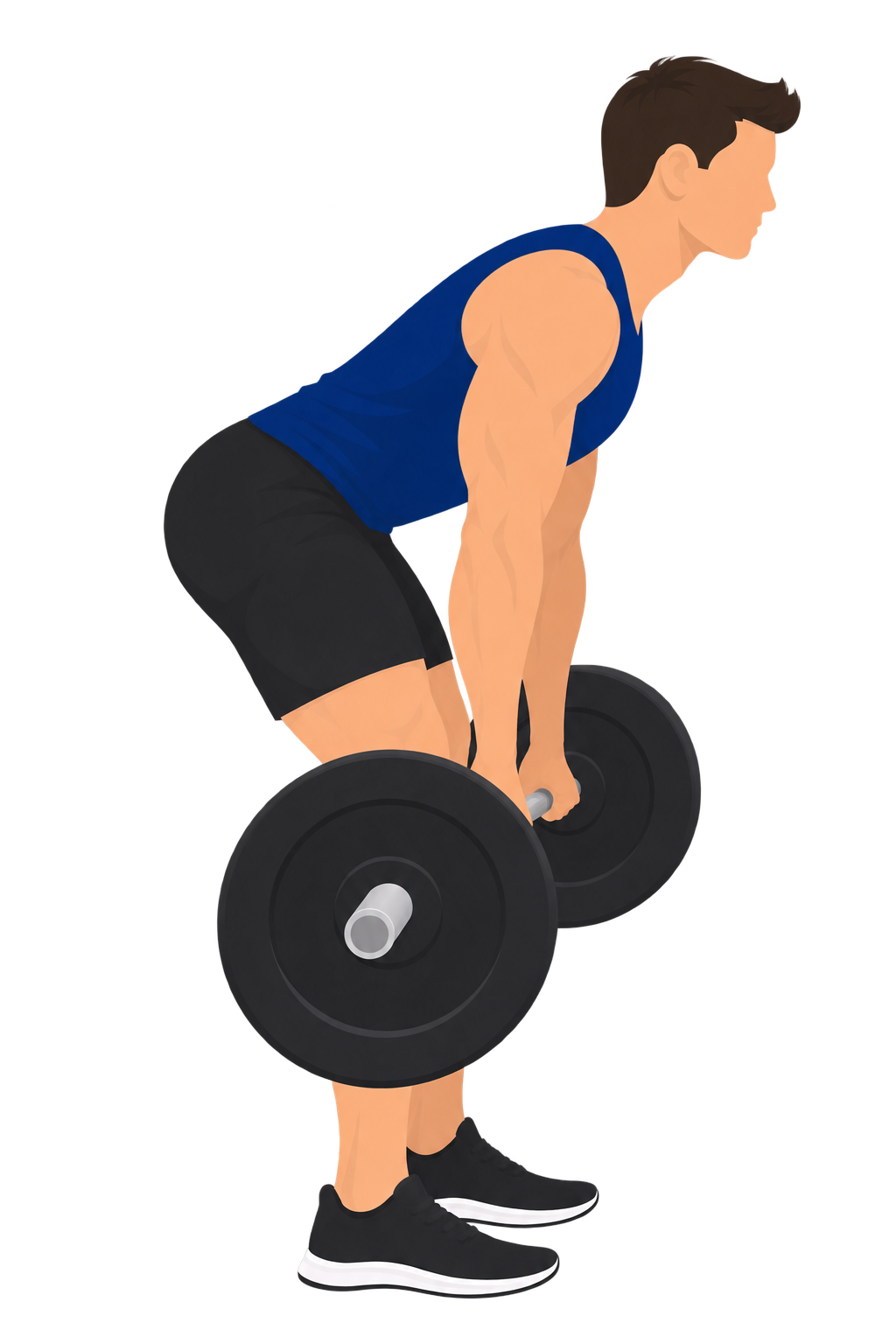
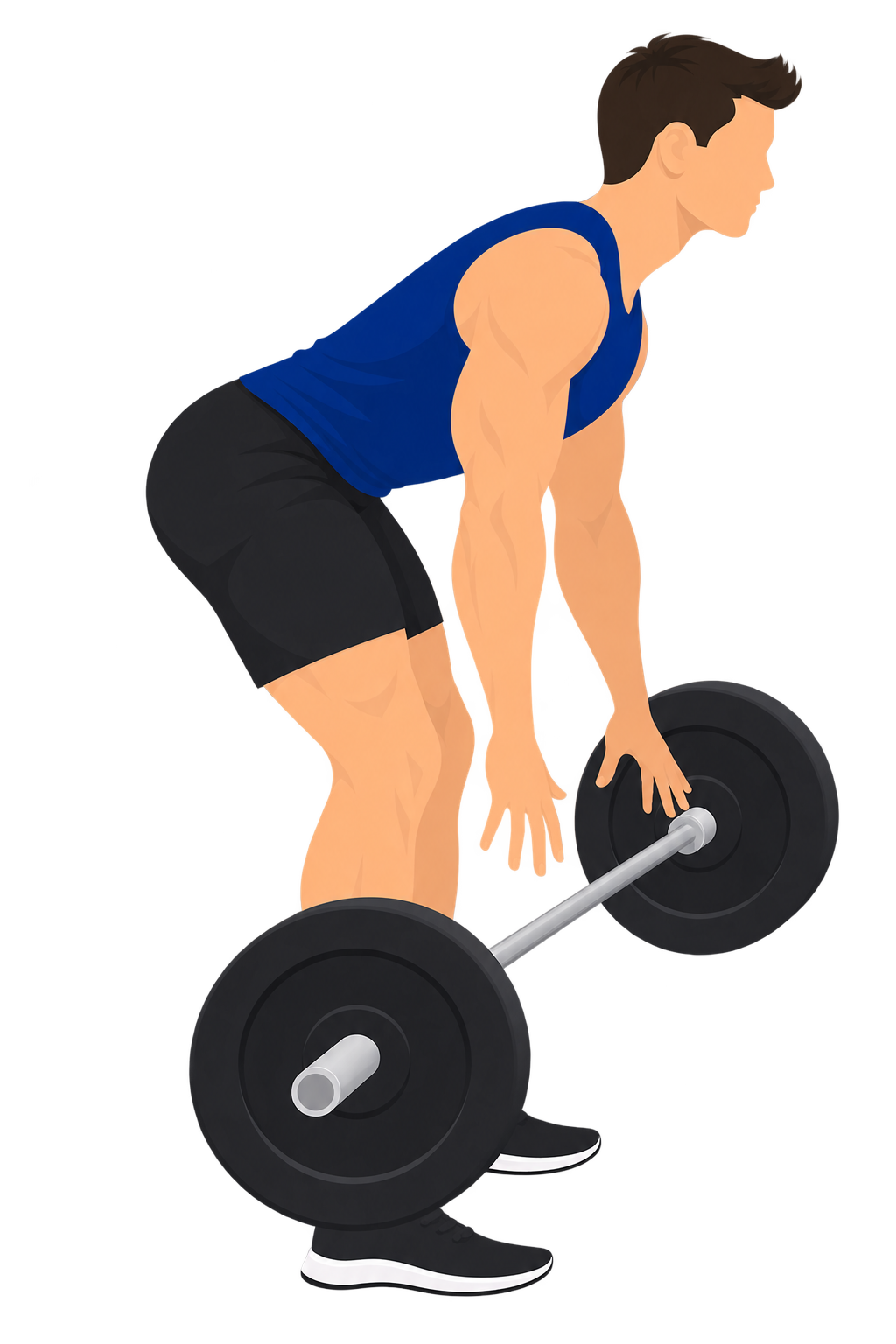
The deadlift is the most mechanically efficient of the three lifts, recruiting the entire posterior chain — hamstrings, glutes, and the whole back — plus your grip. It is typically about 38–40% of an elite total and is often the heaviest lift at world-class levels, where it can surpass the squat in absolute terms. Limb leverages matter more here than anywhere: a lifter's build can favor a conventional or sumo stance.
The Dashboard
Beyond the tier, the calculator breaks your deadlift down into cards:
- World Record Context — Your deadlift as a percentage of your weight class's world record, with the record shown, so you can see how you stack up against the very top.
- Strength Ratio — Your deadlift divided by your bodyweight (deadlift ÷ bodyweight), the simplest way to compare across body sizes.
- Deadlift DOTS ScoreDOTS is a dimensionless strength index that normalizes lifters across bodyweights and sexes. It replaced Wilks as the IPF's official scoring formula. — DOTS is normally calculated on your full three-lift total; here the same coefficient is applied to your deadlift alone (deadlift-only, bodyweight-adjusted) so you can compare this one lift across bodyweights and sexes. Because there's no official single-lift DOTS tier, it's shown as a raw normalized number rather than a level.
- Next Tier Target — How much weight you need to add to reach the next tier: Competitor, then Elite, and finally the world record.
- Deadlift Progress — A bar showing your progress from zero to the world record, with the Competitor and Elite thresholds marked.
- Weight Class Comparison — How you'd rank in the class below and above yours, to understand the implications of cutting or gaining weight for competition.
Where You Fall
The distribution curve places your deadlift within a modeled, illustrative spread of lifters of your sex, age, and weight class. It is not census data — it is a right-skewed (log-normal) model anchored to this calculator's own standards: the Competitor line near the top third and the Elite line near the top few percent, with the curve trimmed at the weight-class world record. Your marker shows roughly where your deadlift sits and an approximate percentile. Read it as a visual sense of "how rare is this," not an exact population statistic.
Data Sources and Verification
- USAPL Database (usapl.liftingdatabase.com) — Official Raw World Records, Open Division, verified through 2025–2026.
- OpenIPF and IPF Worlds results — IPF Classic (raw) records from openipf.org and official IPF World Classic Championship reports (2023–2025).
- Cross-verification — Standards were checked against published meet reports and BarBend/OpenIPF analysis to ensure the records used are current and correctly attributed. These are documented competition results, not estimates.
Methodology: Monotonic Progression
World records aren't always monotonically increasing by weight class — sometimes a lighter class holds a higher absolute record than the next class up. To keep comparisons fair, the calculator assigns each weight class the maximum record from that class or any lighter class, so heavier lifters never face a lower threshold than a lighter lifter already exceeds.
Why Powerlifting Standards Are Different
- The standards are higher. Tiers are anchored to actual competition performance, so "Competitor" here is well above an "Intermediate" tier in a typical gym-data calculator.
- The standards are sport-specific. They assume powerlifting-style training: low reps, heavy weight, competition technique.
- The standards reflect raw lifting only. Equipped deadlifting (with a deadlift suit) allows more weight; these standards are calibrated for raw competition with a belt only — chalk is allowed, but lifting straps are not used in competition, so your grip is part of the test.
- The standards are federation-specific. USAPL and IPF have different pools and judging, so the calculator separates them.
Lifting Safely
Unlike the squat or bench, there is nothing to get pinned under in the deadlift — if a rep stalls, you simply lower or drop the bar, so no spotter or rack is required. The main risks are to the lower back and biceps, and to your grip. Always warm up, keep a neutral, braced spine, and never grind out a failing rep with a rounding back. Stop immediately if you feel sharp lower-back or biceps pain, dizziness, or shortness of breath.
Limitations and Important Caveats
This calculator provides estimates, not measurements. Real performance depends on factors it can't capture:
- Training history and specificity — It assumes competent technique and enough training age to handle the estimated weight.
- Technical proficiency — Good form can add 5–10% to what you lift; poor form removes that and more.
- Individual anatomy — Limb proportions and leverages matter. Long-armed lifters tend to deadlift more easily because the bar travels a shorter distance; build also influences whether conventional or sumo suits you.
- Equipment and federation rules — Calibrated for raw lifting. Equipped gear and looser federations allow more weight.
- Fatigue and recovery — A fresh 1RM is heavier than one performed after a fatiguing session.
- Drug testing — USAPL and IPF are tested federations, so these records reflect drug-free performance; untested federations have higher records.
- Sex differences — Male and female standards are calibrated separately, reflecting documented differences in the records themselves.
Disclaimer:
This calculator provides an estimate based on tested formulas and verified federation world records. Real performance depends on technique, training history, recovery, anatomy, equipment, and individual variation. Always lift safely with proper form and an adequate warmup, bracing your core and keeping a neutral spine. Lower or drop the bar rather than grinding a failing rep, and never sacrifice form for load — the deadlift's main risk is to the lower back. This tool is for general informational purposes only and should not be considered medical, fitness, or training advice. Consult a healthcare provider before beginning a new training program, especially if you have pre-existing injuries or conditions.