How This Calculator Works
This calculator scores the DEA Physical Task Assessment (PTA) — the fitness test that gates the Special Agent selection process. You choose the version of the test, enter your sex and your event results, and the tool converts each event to a point value on the DEA's scale, adds them into a cumulative total, and checks the result against the pass rule for that version. It also shows the full scoring chart with the exact cell your result lands on for each event.
The PTA is points-based rather than simple pass/fail: a strong event can partly offset a weaker one. But two features quietly do most of the failing — a negative score and a minimum-points floor — which the calculator surfaces directly.
The direction of "better" depends on the event: for sit-ups and push-ups, more reps are better; for the 300-meter sprint and the 1.5-mile run, a lower time is better.
The Two Versions
The PTA is administered in two slightly different forms, and this calculator does both:
- Applicant — Hiring PTA. The test you take during the hiring process. It has three events: sit-ups, push-ups, and the 1.5-mile run. The 300-meter sprint is not used during hiringThe 300m is part of the academy (BAT) test but is deliberately left out of the hiring version. The DEA's own training video covers it as preparation for the academy., and the 1.5-mile run points are doubled.
- Academy — BAT PTA. The version run at Basic Agent TrainingThe DEA Academy in Quantico, Virginia. Trainees must pass PTAs during the program to graduate. The PTA is also used to select Special Response Team (SRT) candidates and as the annual fitness requirement for division teams.. It adds the 300-meter sprint as a fourth event, and the 1.5-mile run is not doubled.
The Events & Protocol
The events run in a fixed order — sit-ups, 300-meter sprint, push-ups, 1.5-mile run — with no more than 10 minutes of rest between each. Strict protocol is what makes a score comparable to the standard:
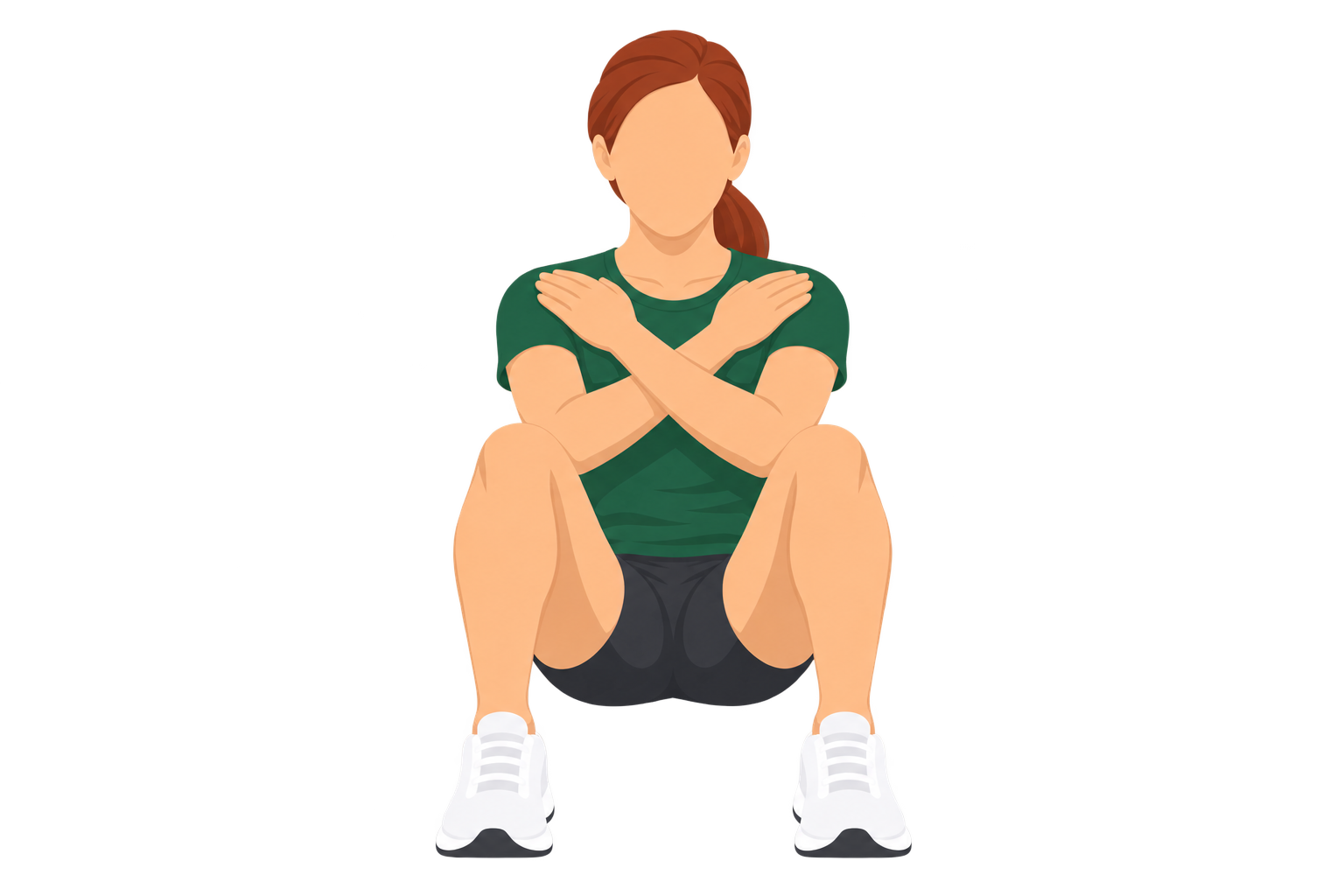
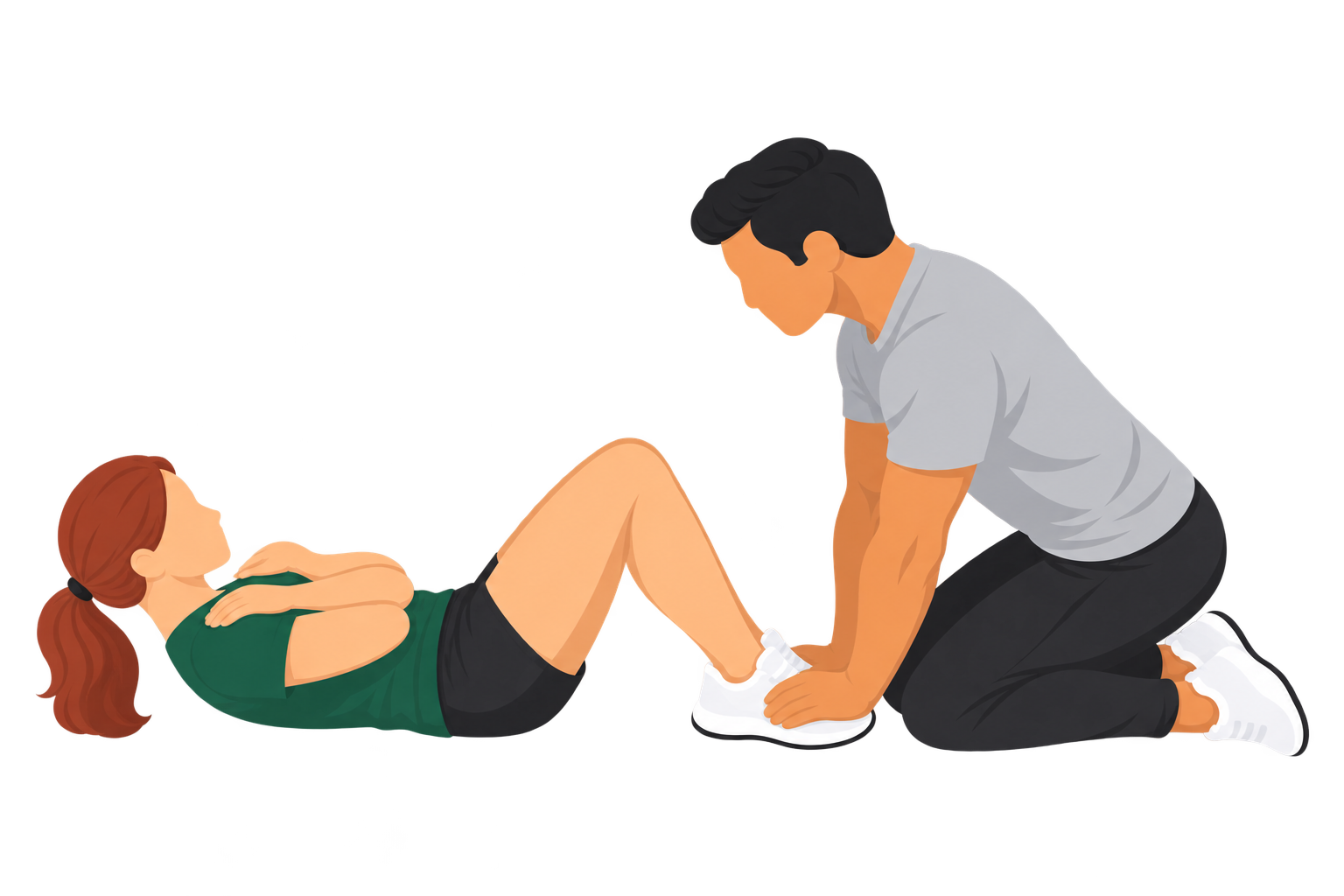
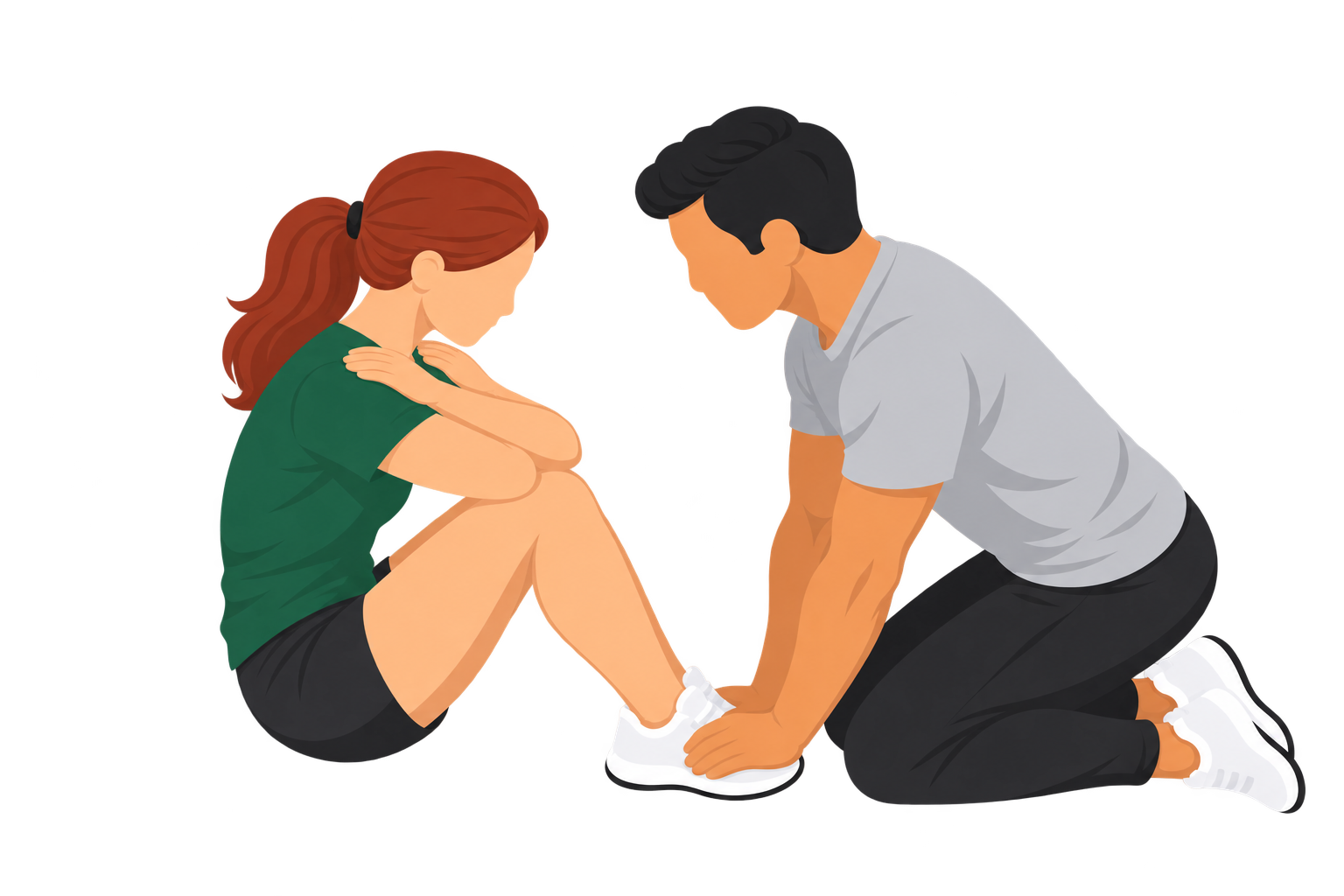
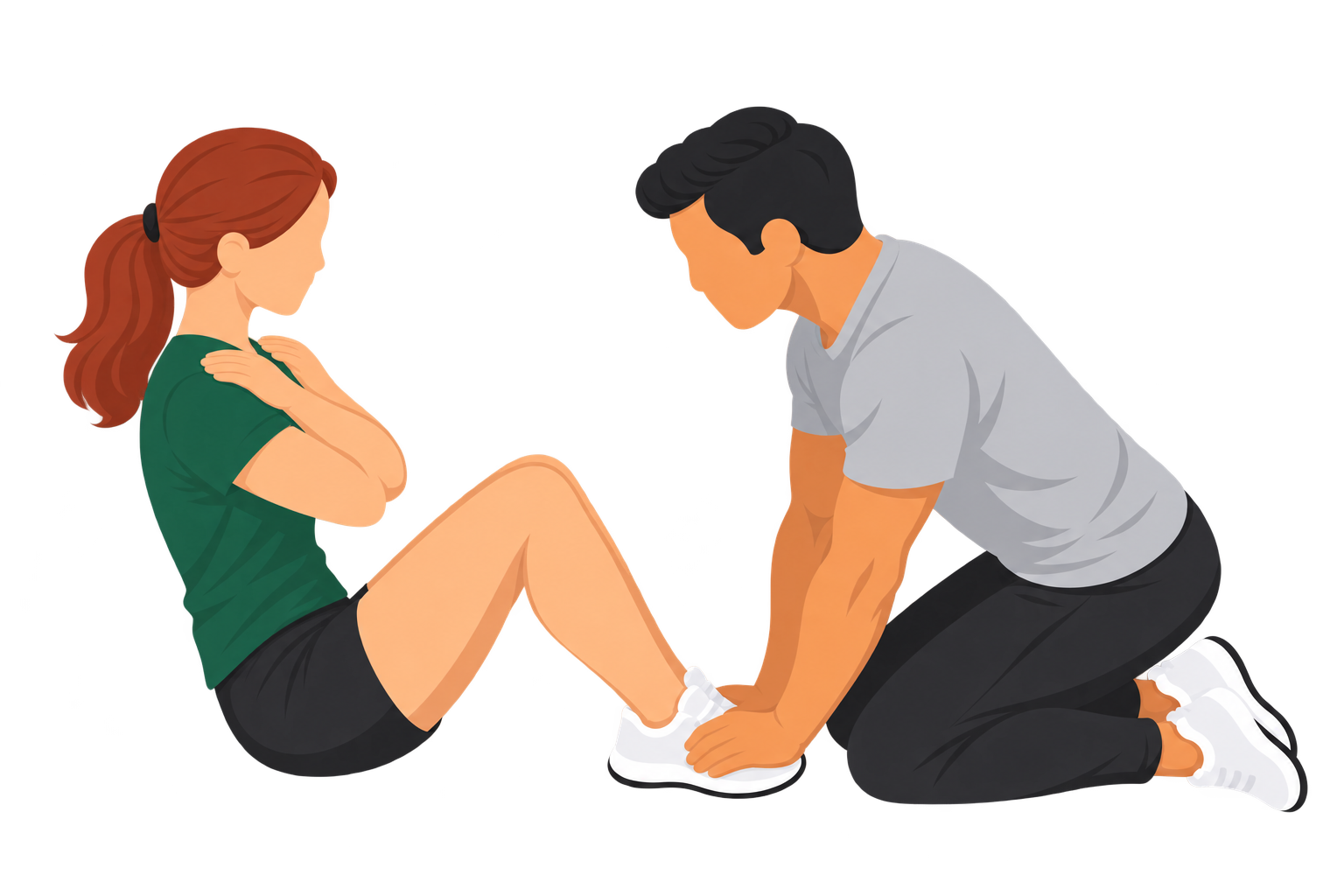
- Sit-ups — one minute, continuous. A partner holds the feet; hands stay on the opposite shoulders, the elbows must pass the knees, and the shoulder blades touch the floor on the way down. There is no resting between sit-upsDEA's protocol: "There is to be no resting between sit-ups and all activity must be continuous." A repetition that breaks the protocol does not count..
- 300-Meter Sprint (academy only) — an all-out effort from a standing start, three-quarters of one lapDEA runs it on an oval track of known length. You must start standing without touching the ground with your hands, and stay in your lane the whole way — stepping into another lane fails the event. of a 400-meter track.
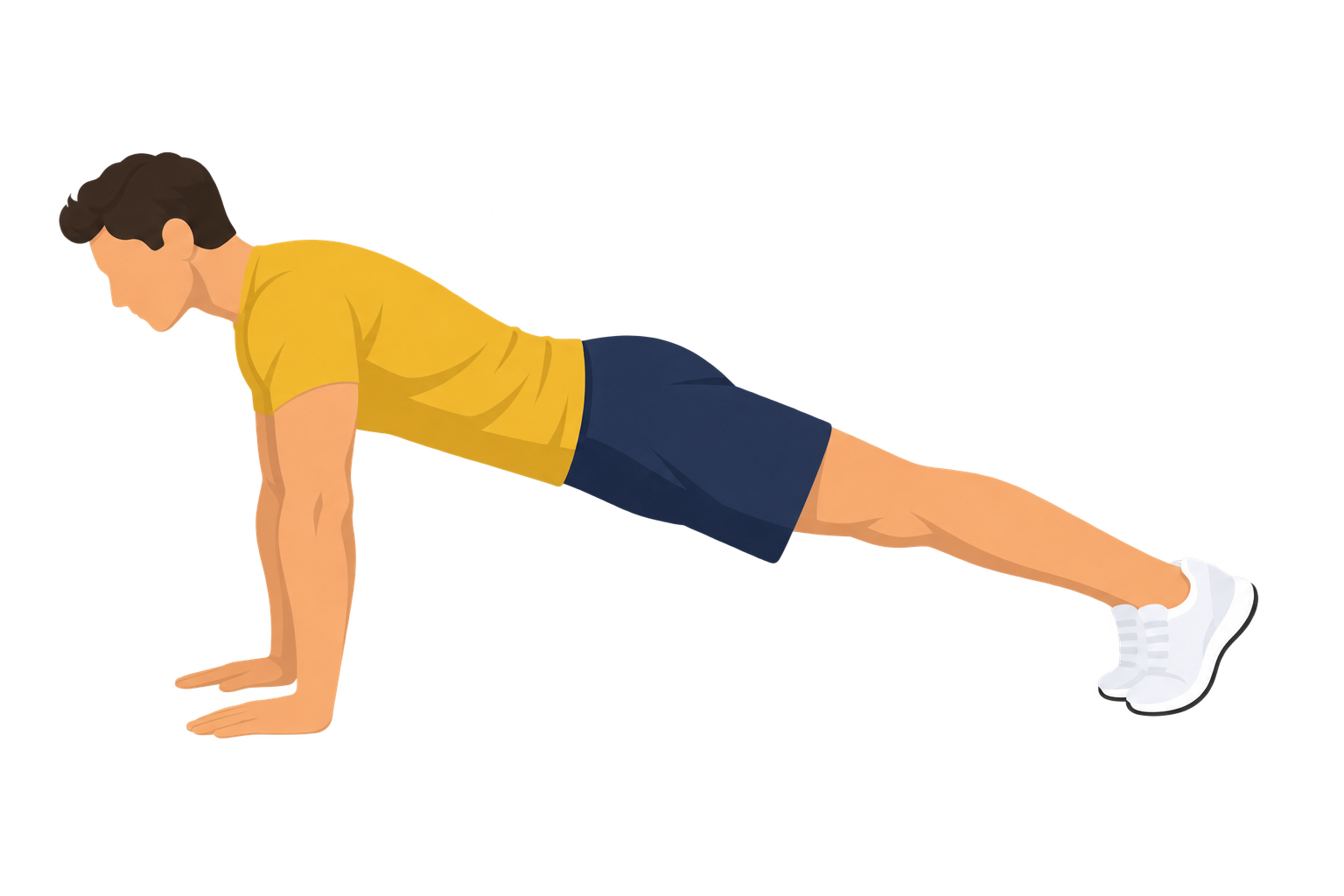
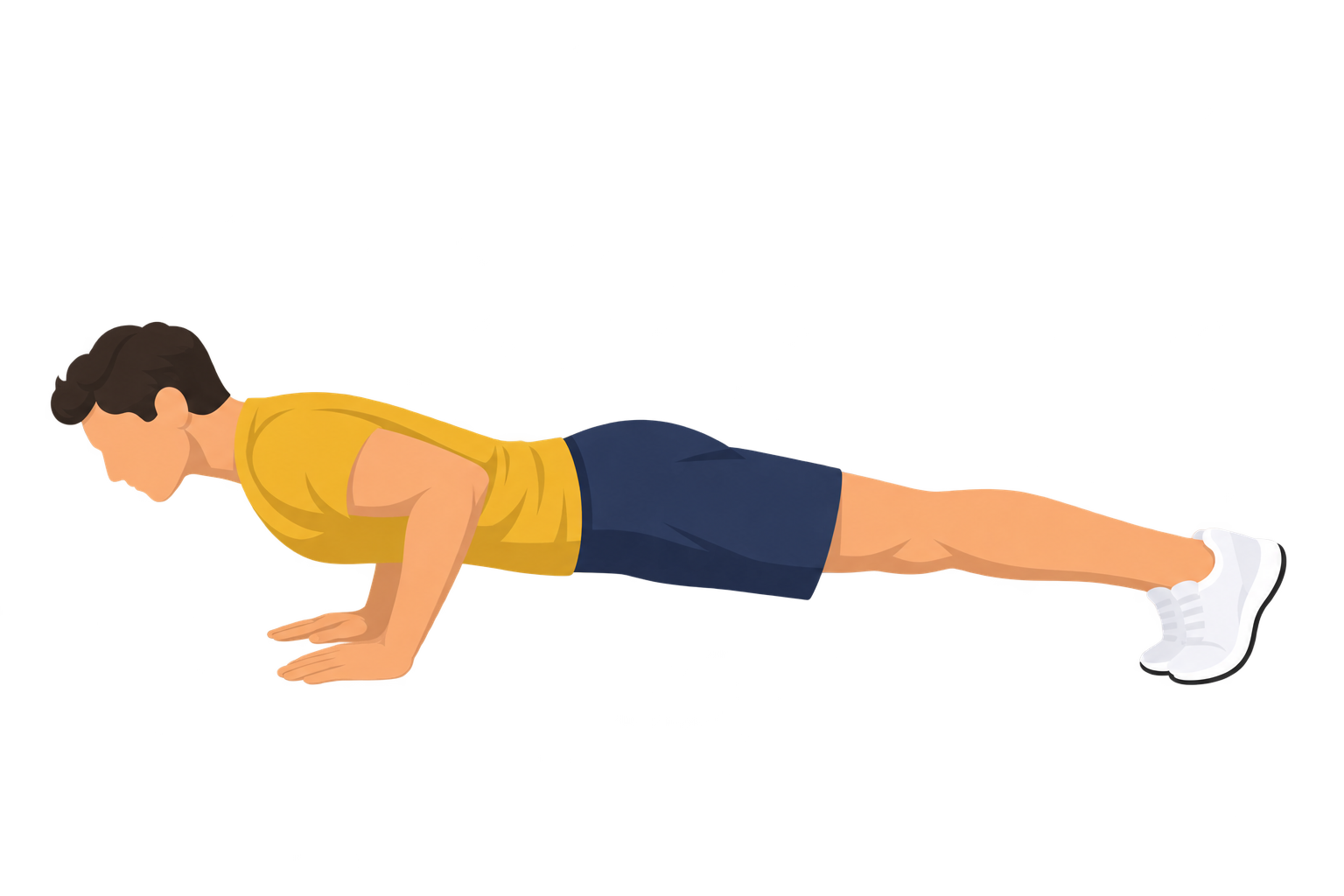
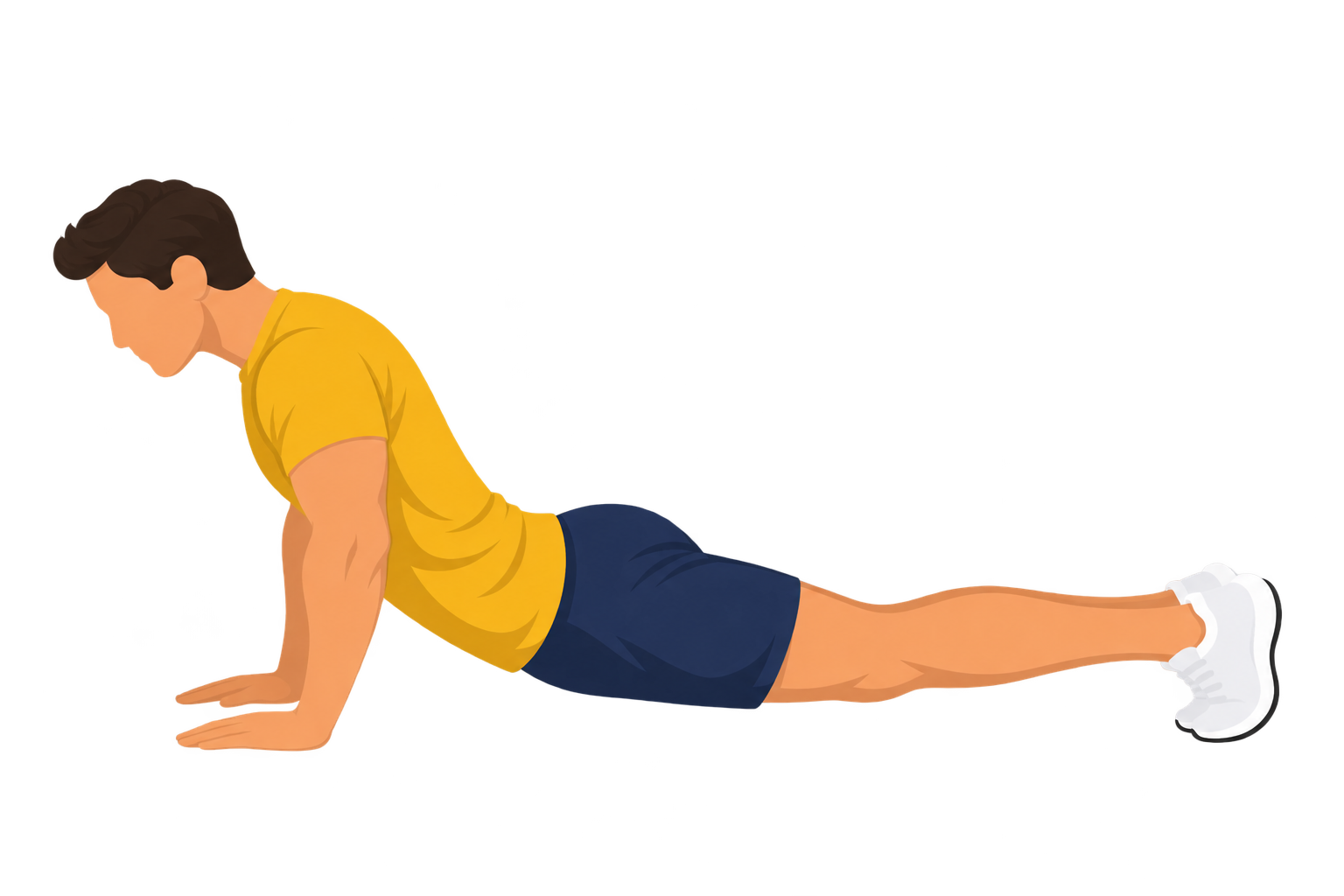
- Push-ups — continuous and untimed, performed to exhaustion. Each rep lowers until the upper arms are parallel to the floor; there is no resting between reps.
- 1.5-Mile Run — a timed run on a track of known length. On a 400-meter track that is six laps plus about 14 meters.
How the Test Is Scored
Each event is scored on a scale from −2 to 10 points, and the points are summed into a total out of 40. The pass rule depends on the version — and, within hiring, on how far along you are:
Hiring (announcement released July 2026): total 12+, at least 1 point in every event, and no negative score.
Academy (BAT): total 12+, at least 1 point in every event, no negatives.
DEA notes that applicants under announcements released before July 2026 may have a different standard. The
earlier version of its guide set the bar for a Conditional Offer at 9+ total, with a zero allowed in
one event, at least 1 point in the others, and no negatives, followed by 12+ for the Final Offer. The calculator
uses the current 12-point rule.
The Two Ways the Score Bites
Two features punish weakness rather than just rewarding strength. First, a −2A negative score is given for performance below the zero-point threshold on an event. Because it's negative, it doesn't just fail that event — it drags down your cumulative total. in any single event is an automatic failure of the whole test, no matter how strong everything else is. Second, even with no negatives you must reach 12 points and score at least 1 point in every event — so a single neglected event can sink an otherwise strong showing.
Why the Run Counts Double (in Hiring)
In the hiring version, your 1.5-mile run points are doubled before being added to the total — a score of 4 on the run contributes 8 points. DEA states the doubling applies during the hiring process only and does not give a reason for it. The calculator shows the doubling inline in the breakdown so the math is transparent. At the academy, where the 300-meter sprint is added, the run is scored straight (not doubled).
Sex-Specific, Not Age-Graded
The PTA uses different tables for men and women, but it is not age-graded: a
22-year-old and a 35-year-old applicant are held to exactly the same numbers. DEA does not publish its reasons for
this design, and the calculator applies the published standard as written.
How to Read the Scoring Chart
The chart lists every point value from 10 down to −2, with one column per event in the selected version, showing the exact performance band that earns each score. After you calculate, the calculator highlights the specific cell your result landed on in each column at once — so you can see not just your score but how far the next point is in each event. Because the test is not age-graded, there is a single chart per sex; switching versions adds or removes the 300-meter column.
A Note on Data Accuracy
The DEA tables in this calculator are exact, reproduced verbatim from Appendix A of DEA’s
Special Agent Test Preparation Guide — nothing is estimated or interpolated. One quirk in the source: the men’s
300-meter table lists 49.5 seconds in both the 2-point and 3-point bands. The calculator awards 3
points at exactly 49.5 seconds. The earlier version of the guide also listed cut scores, minimum
marks on a failed first attempt that decided whether an applicant could retest; this tool scores the pass standard,
not retest thresholds.
One honest caveat: agencies revise fitness standards periodically. Treat a result here as an accurate read of the published tables at the time of writing, and confirm the current standard on dea.gov or with your DEA recruitment coordinator before relying on it.
Why These Fitness Qualities Matter
The events sample distinct, job-relevant capacities. Sit-ups and push-ups measure core and upper-body muscular endurance — the ability to work repeatedly under fatigue. The 300-meter sprint taxes the anaerobic systemThe glycolytic energy pathway that fuels maximal effort lasting roughly 30–90 seconds — the window of an explosive foot pursuit or a sudden physical confrontation. that powers an explosive foot pursuit, and the 1.5-mile run measures the aerobic endurance to sustain effort over time. The points-plus-floor scoring rewards a well-rounded performer, which is exactly what surviving Basic Agent Training requires.
Their strengths are objectivity and repeatability — minimal equipment, clear protocols, easy to retest. Their limit is that they're a general fitness screen, not a simulation of agent work: a strong score proves a solid physical base, not job competence by itself.
Data Sources and Methodology
The structure, rules, and scoring in this calculator are drawn from official DEA materials:
- DEA Entry-Level Special Agent Test Preparation Guide — Appendix A (Physical Task Assessment Scoring Tables), dea.gov (file posted July 2026). The full −2-to-10 point tables for sit-ups, the 300-meter sprint, push-ups, and the 1.5-mile run; the hiring-vs-academy event lists; the doubling of run points during hiring; and the hiring pass rule for the announcement released July 2026 (12+, 1+ in every event, no negatives).
- DEA Special Agent Test Preparation Guide, earlier version (dea.gov). The previous Conditional Offer rule (9+, a zero in at most one event) and the retest cut scores.
- DEA PTA Guide (dea.gov, February 2023). The fixed event order, the up-to-10-minute rest between events, the academy pass rule, and the detailed movement protocols for each event, including untimed push-ups.
A note on methodology: the point tables here are reproduced exactly, not modeled. The calculator applies the official pass rule for each version; the only judgment it makes is awarding 3 points at the 49.5-second overlap in the men’s 300-meter table.
Limitations and Important Caveats
- Not an official result. Only a DEA-administered PTA produces an official score. This tool is for self-assessment and planning.
- Standards can change. Confirm the current tables on dea.gov or with a DEA recruitment coordinator before relying on a result.
- The −2 trap. A negative score in any single event fails the entire test, regardless of your total — train every event above the zero threshold.
- Fatigue is real. On test day the events run in sequence with limited rest; fresh, isolated attempts usually overstate your true PTA result.
- Protocol fidelity. Strict sit-up and push-up form, a standing-start sprint, and a measured run are what make your numbers comparable to the standard.
- Limited attempts. DEA communicates the number of attempts and the time allowed during hiring, and you may be required to pass another PTA before being hired.
- Earlier announcements. If you applied under an announcement released before July 2026, your scoring standard may differ from the 12-point rule used here.
Disclaimer:
This calculator provides an estimate based on the publicly available DEA Physical Task Assessment scoring standards and is intended for general informational and training-reference purposes only. It is not affiliated with, endorsed by, or an official tool of the DEA, and it does not produce an official score. The PTA involves maximal-effort calisthenics, a timed run, and (at the academy) an all-out sprint performed in sequence; stop immediately if you experience chest pain, shortness of breath, dizziness, or joint pain. This tool is not medical, fitness, or training advice. Consult a healthcare provider before beginning a new exercise or testing program, especially if you have a heart condition, a recent injury, or any condition aggravated by intense exertion.