
Chin-Up Test
Upper-Body Pulling Strength (underhand grip)
Max-effort pulling loads the shoulders and elbows. Warm up first and stop if you feel joint pain or dizziness.
Chin-Up Standards by Age
Standards Across Age
Strict Chin-Ups
As many strict chin-ups as you can, continuously, until you can’t complete another full rep. The images below show the grip, the two positions that make a rep, and the most common rep that doesn’t count.
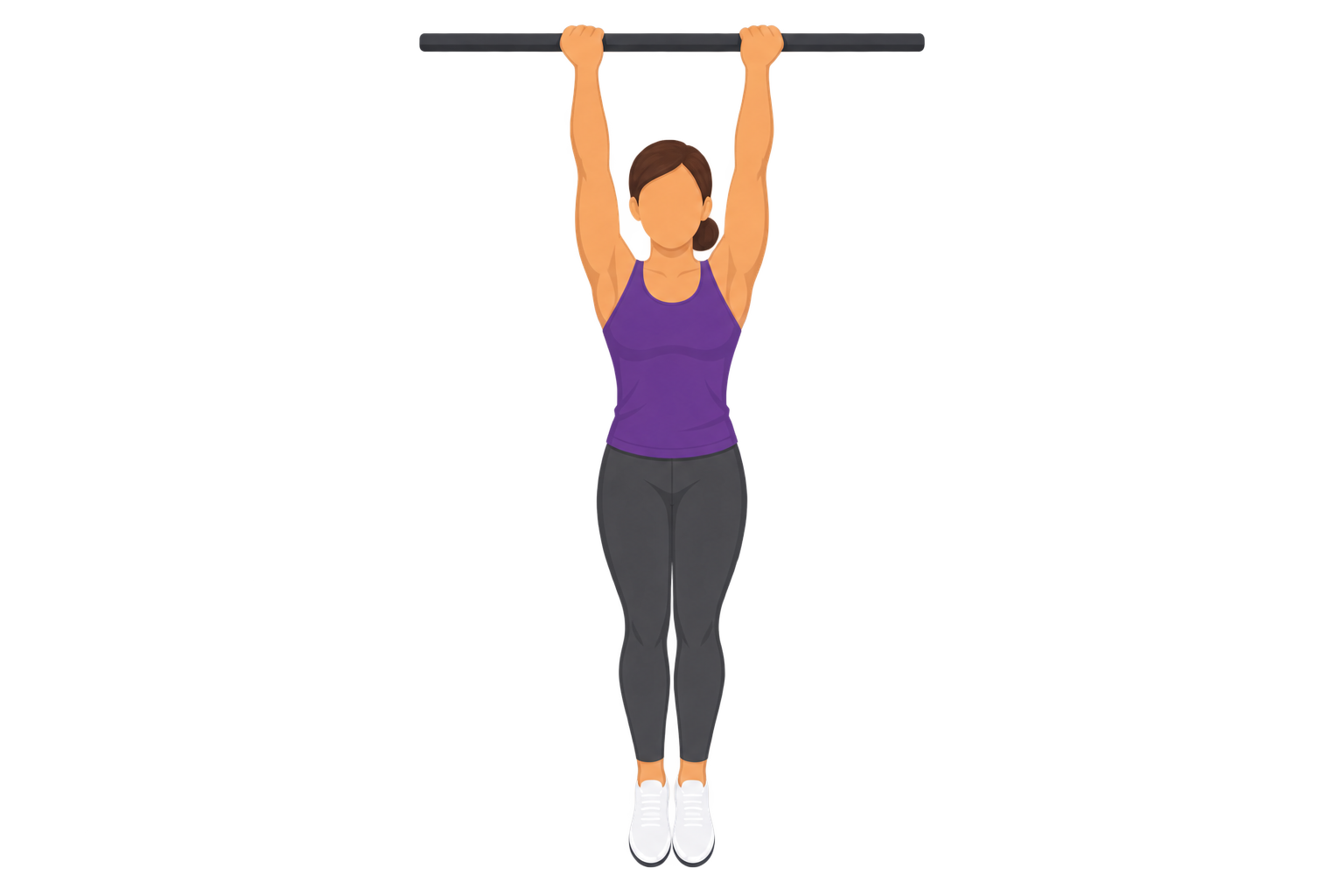
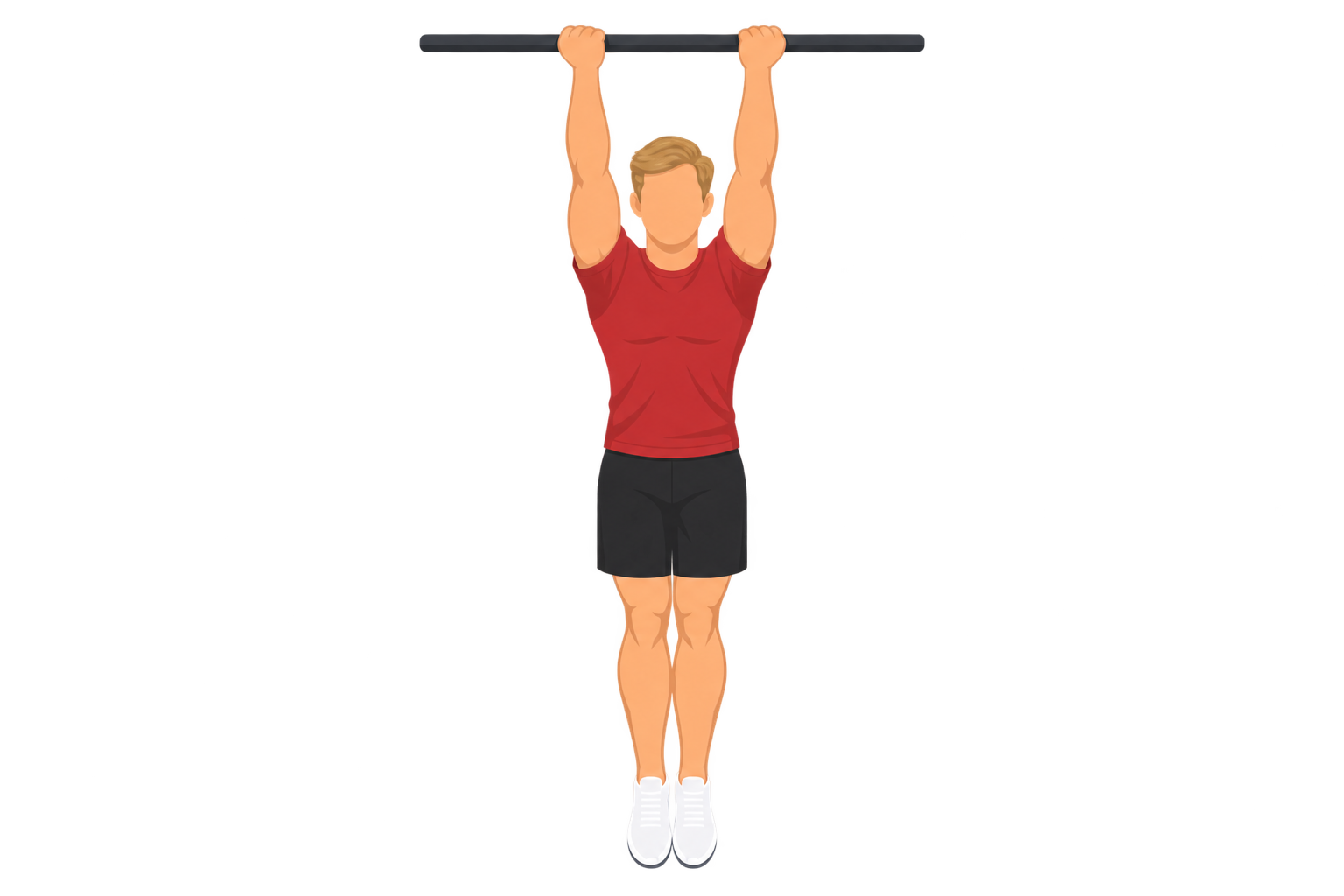
Underhand, About Shoulder-Width
Grip the bar with your palms facing toward you and your hands about shoulder-width apart. The underhand grip is what makes it a chin-up rather than a pull-up, and it brings your biceps more into the movement.
The Repetition
Shown from the side.
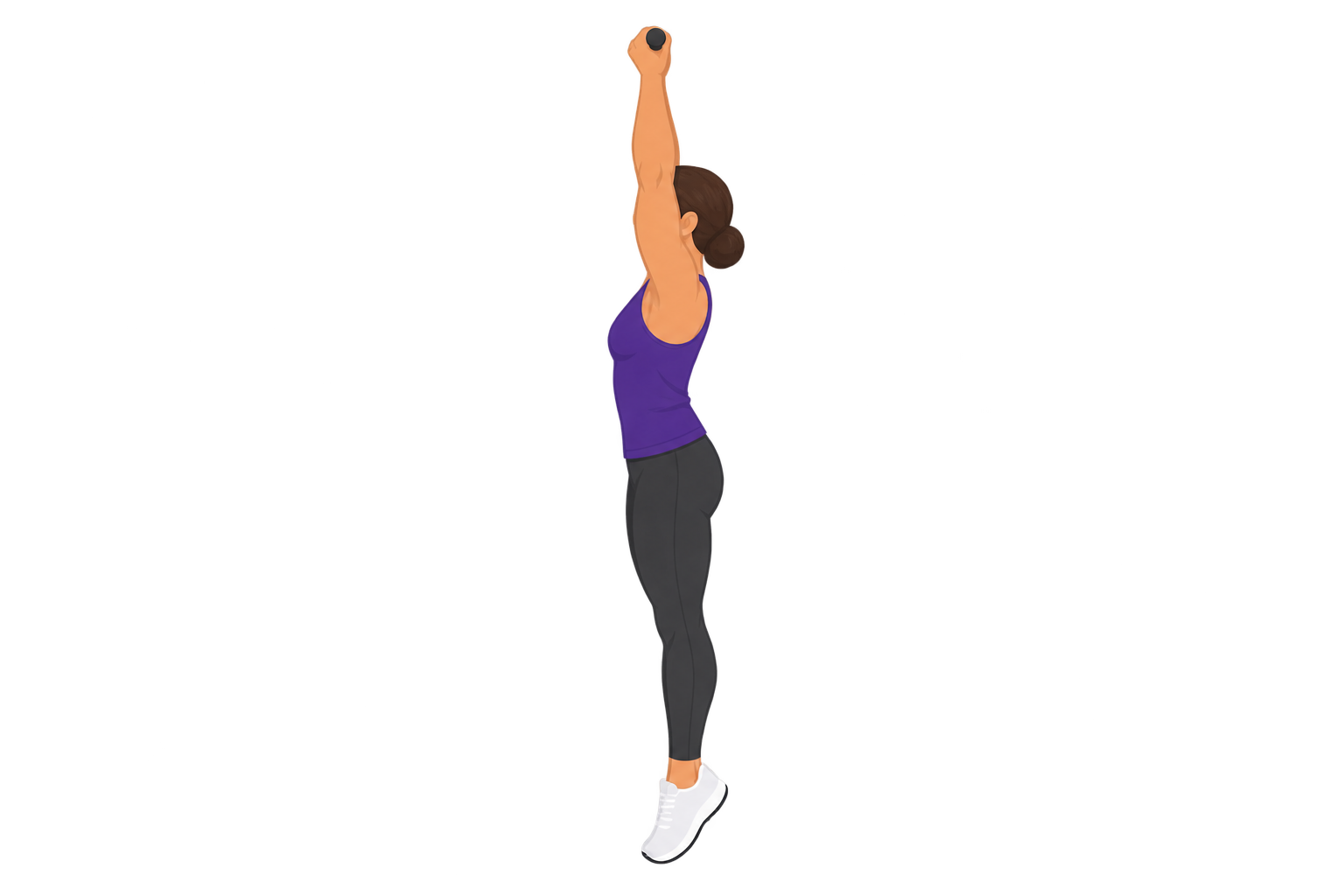
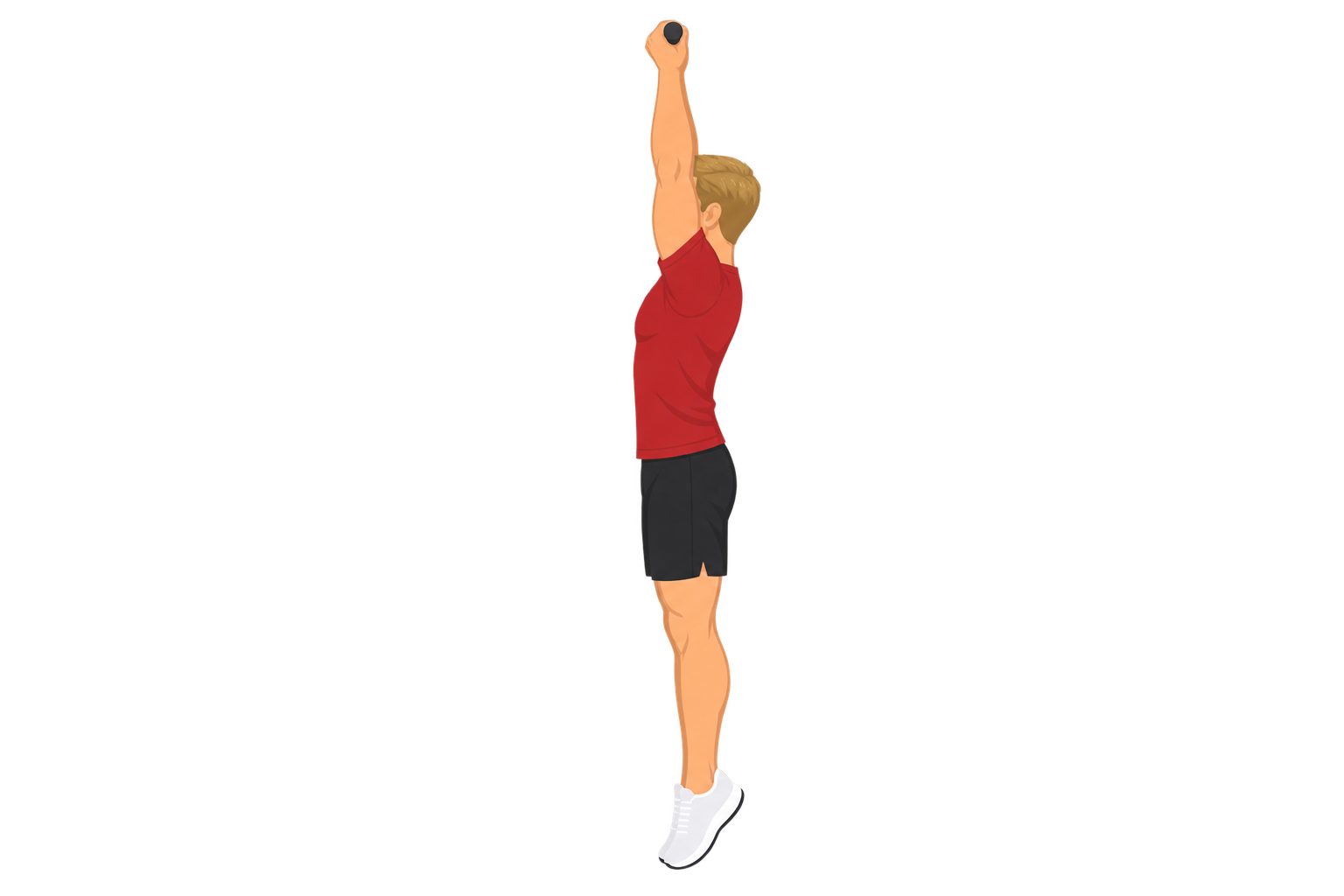
Arms Fully Straight
Start from a dead hang with your arms completely straight, your body still, and your feet off the ground.
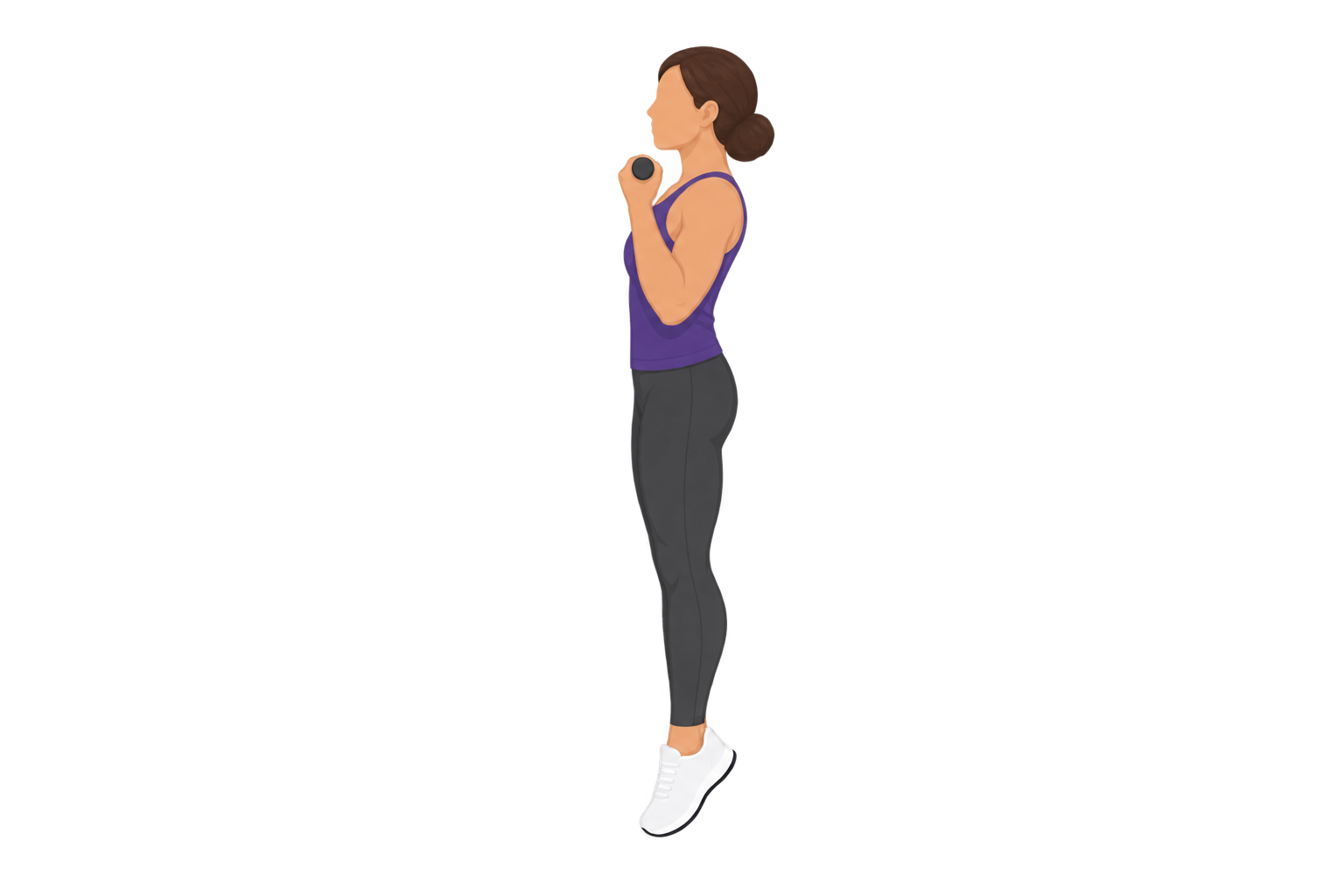
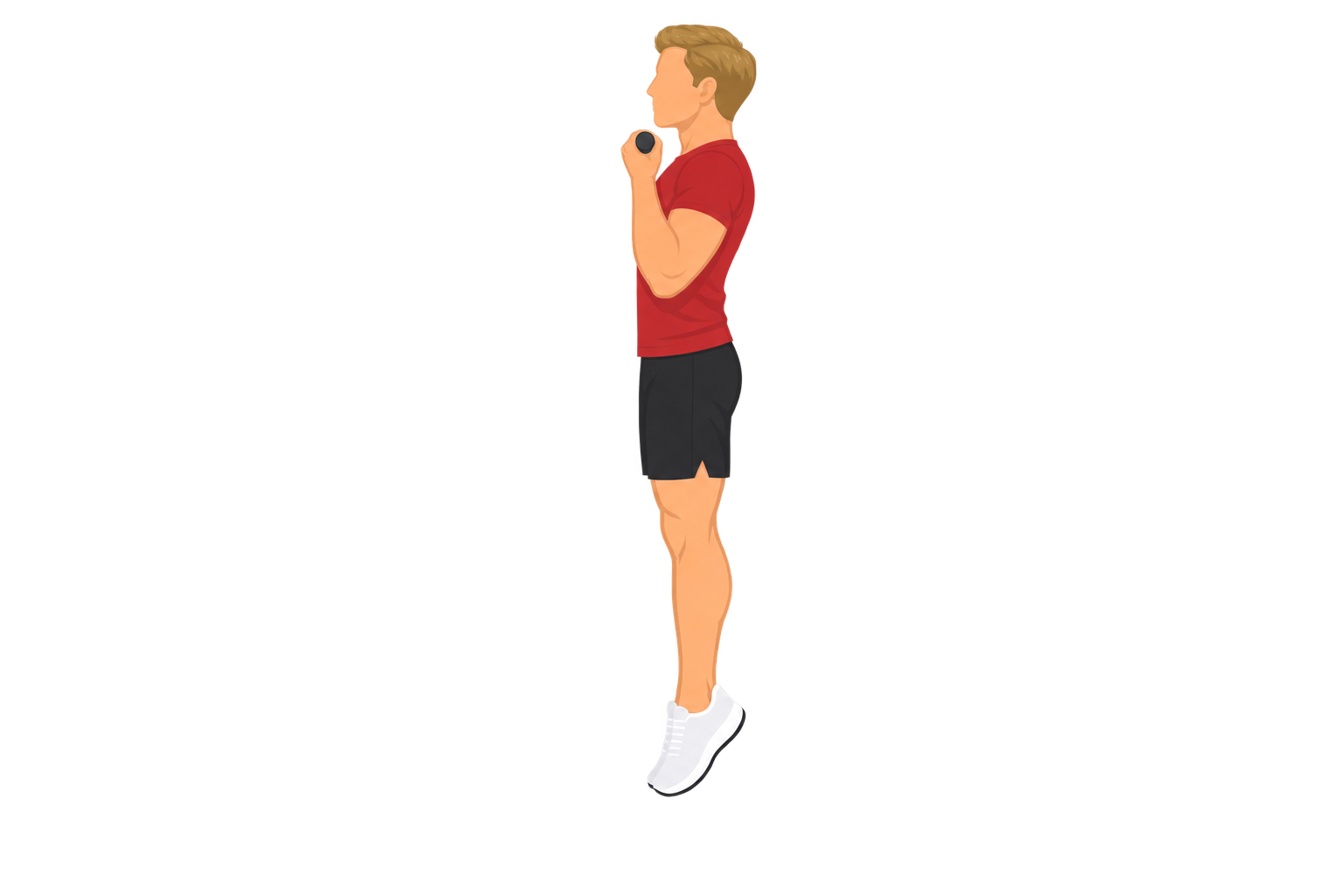
Chin Above the Bar
Pull until your chin clears the bar, then lower under control all the way back to straight arms. That is one rep.
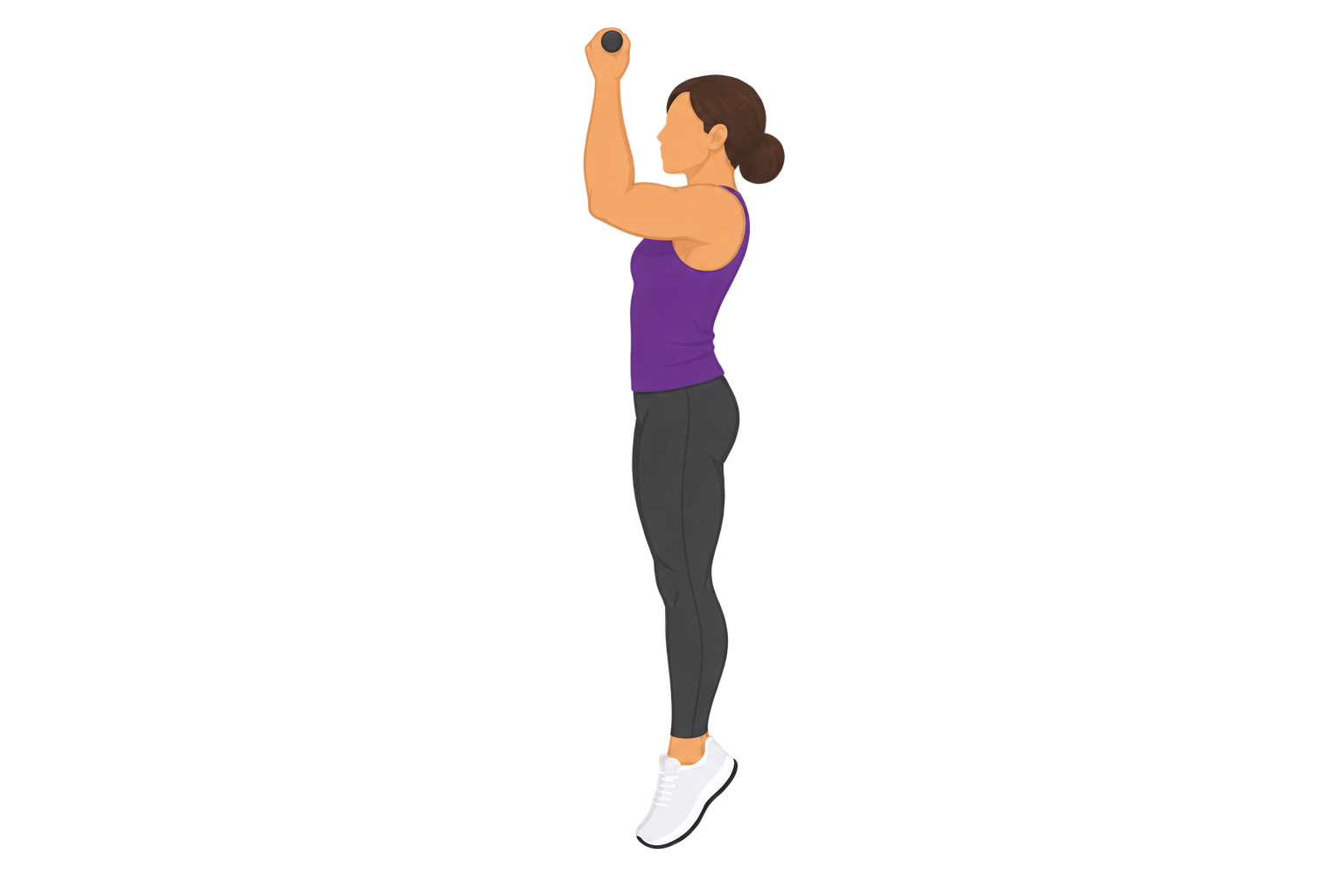
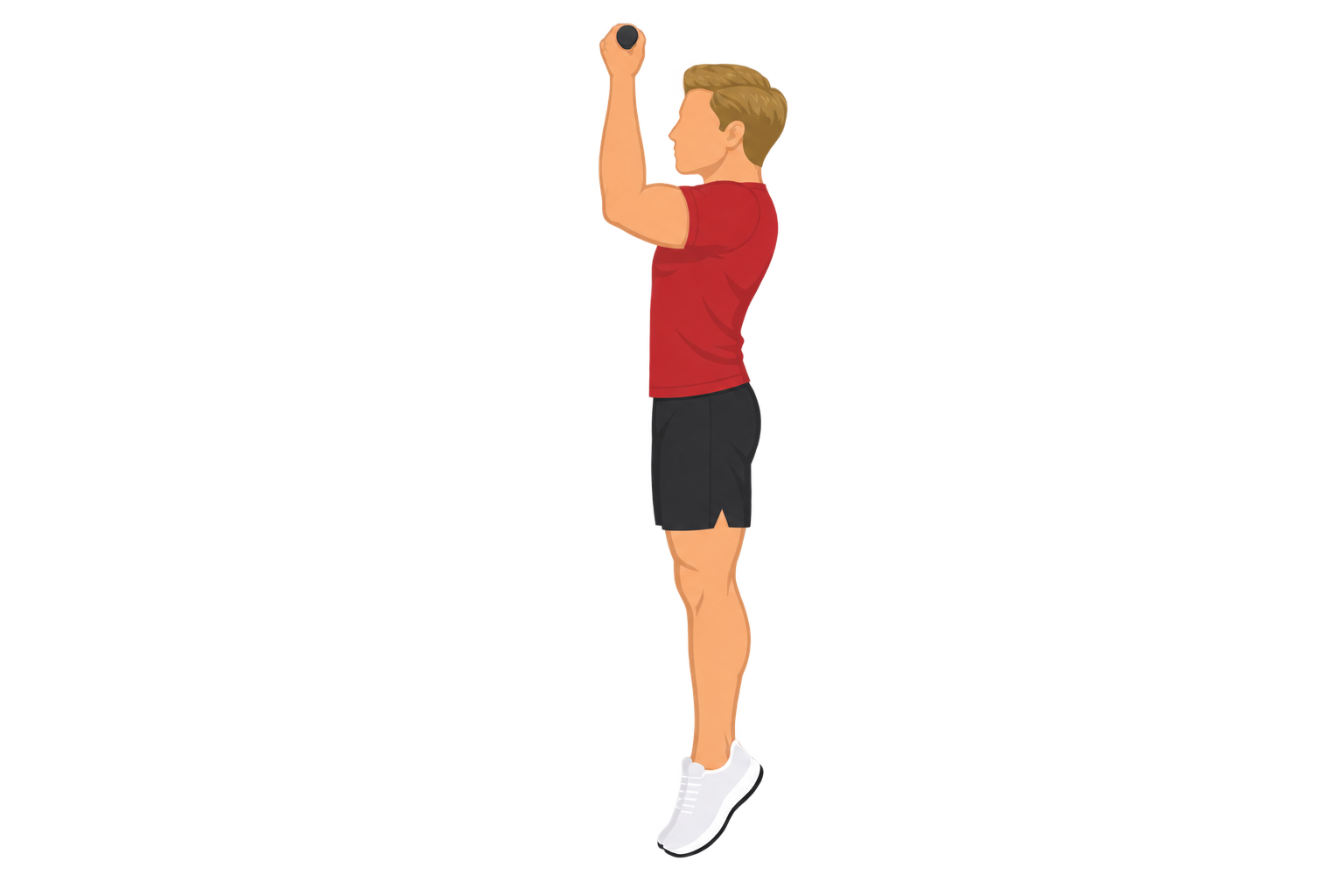
Stopping Short
If your chin doesn’t clear the bar, the rep doesn’t count.
This is the standard strict form the calculator assumes; Strength Level, the source of its standards, doesn’t define a protocol. Some rules can’t be shown in a still image: no kipping, leg swing, or kicking to help you up; lower under control all the way to straight arms on every rep; keep the reps continuous; and partial reps don’t count.
The Chin-Up, from ACE
A chin-up technique demonstration from the American Council on Exercise, posted in January 2025.
Video is external and not produced by Amatal. It demonstrates technique for training, not a test protocol, so details such as how far you pull or whether you cross your legs may differ. For the form the calculator assumes, see the “How to Perform It” guide above — follow the guide where the two differ.
How This Calculator Works
This calculator measures your upper-body pulling endurance using the chin-up test — a demanding bodyweight test of back and arm strength that, thanks to its underhand grip, places more emphasis on the biceps than the pull-up. You enter how many strict chin-ups you can complete to exhaustion, and the calculator compares your result with Strength Level’s chin-up standards for your age and sex, then shows your category, your Chin-Up Age, and your estimated percentile among lifters.
Step 1: Enter Your Details
- SexStrength Level publishes separate chin-up standards for men and women, and the gap is large: at age 25, the median man in its data logs 13 chin-ups and the median woman 6. — selects which standards you are compared against.
- Age — from 15 to 65. Above 65, the published levels can no longer be told apart (see below).
- Chin-Ups Completed — your maximum strict repetitions, performed continuously until you cannot complete another full rep.
The Test Protocol
Strength Level doesn’t define a test protocol, so use standard strict form to keep your count honest:
- Grip:A chin-up uses a supinated (underhand) grip, with the palms facing toward you. This brings the biceps more strongly into the movement. Hang from the bar with an underhand (supinated) grip, hands roughly shoulder-width apart.
- Start: Begin from a full dead hang with your arms completely straight, body still, and no kipping or leg swing.
- Each repetition: Pull until your chin clears the bar, then lower under control all the way back to a dead hang with your arms fully extended. That is one rep.
- To exhaustion: Perform as many continuous repetitions as possible. Partial reps, kipping, and reps where your chin doesn’t clear the bar don’t count.
How Your Category Is Determined
Strength Level reports the rep counts at five points in its data for each age and sex: the 5th, 20th, 50th, 80th, and 95th percentiles of lifters. Amatal uses its own five-tier scale, with these cutoffs:
Superior = 85th · Advanced = 65th · Intermediate = 35th · Low = below the 35th
The Elite cutoff is Strength Level’s published 95th percentile. The 35th, 65th, and 85th percentiles aren’t published, so they are estimatedEach one is read off a bell curve drawn between the two published points on either side: the 35th between the 20th and 50th, the 65th between the 50th and 80th, and the 85th between the 80th and 95th. The estimate always falls between two published numbers. between the published points on either side. Because you can only do whole reps, a cutoff of 10.3 means you need 11. You are placed in the highest tier you reach:
- Low — below the 35th percentile of lifters your age. A clear starting point with substantial room for improvement. Zero chin-ups is always Low.
- Intermediate — 35th percentile and above. Around the middle of people who log their training.
- Advanced — 65th percentile and above. Above most lifters your age and sex.
- Superior — 85th percentile and above. Well above most lifters your age and sex.
- Elite — 95th percentile and above. Among the top 5% of lifters your age and sex.
How Age Is Handled
Strength Level publishes its age standards in 5-year rows, from 15 to 90. For your exact age, the calculator interpolates between the two nearest rows, and the standards table adds a row for your age. Strength Level’s numbers for ages 25 to 40 are identical, which suggests it applies its own age adjustment to the data; its method isn’t published.
Some published cells read “<1” — less than one full rep, the level of someone who can’t yet complete a strict chin-up. The calculator treats these as zero, shows “<1” in the table, and counts one strict rep as reaching that level. From about 65 for women and 70 for men, nearly every level reads “<1”, so the calculator stops at 65.
How to Read the Standards Table
The standards table lists one row for every five years of age plus a row for your exact age, and one column for each of the five levels. The header labels are color-coded to match the chart bands — on a phone the headers shorten to single letters (L · I · A · S · E); tap any header to see its full name.
- Each cell is the minimum. It shows the fewest chin-ups needed to reach that level at that age. If your result equals or exceeds it, you’ve reached that level.
- The Low column shows the range below the Intermediate cutoff.
- Your row and level are highlighted. Your exact age row is shaded, and within it, the cell for your level is filled with that tier’s color.
Chin-Up Age
Your Chin-Up AgeThe adult age at which your rep count equals the median (50th percentile) in Strength Level’s data. Conceptually similar to the “fitness age” used in cardiovascular testing. is the adult age, from 25 to 65, at which your result would be the median for lifters of your sex. If you do more chin-ups than the median lifter your age, your Chin-Up Age is younger; if fewer, it is older.
Because Strength Level’s median is the same at several ages — 25 to 40 for both sexes, and 55 to 65 for women — some results match a range of ages rather than one, and the card shows the range. If you beat the median at every age, the card says so.
Percentile Among Lifters
The percentile card estimates where you rank among Strength Level lifters of your age and sex, using the same bell curve between its published points. Below the 5th or above the 95th percentile, it says so rather than guessing further. It describes people who log gym training, not the general population.
How Age and Sex Change Your Score
- Age changes the thresholds. The rep requirement for every tier is recalculated at your exact age. Strength Level’s standards rise through the teens, stay level from 25 to 40, and then decline — so the same rep count can place you in a higher tier at 55 than at 30.
- Sex selects a different table. Men and women are compared only with lifters of their own sex.
Why Pulling Strength Matters
The chin-up is one of the purest tests of relative strength — the ability to move your own body against gravity. Because you must lift your entire body weight, it rewards a strong back, arms, and grip together, and it reflects a favorable strength-to-weight ratio. It supports posture, carrying and lifting tasks, and shoulder health, and it tends to move alongside broader conditioning.
Data Sources and Verification
- Strength Level — Chin Ups Strength Standards (strengthlevel.com, copied October 2026). The “By Age” rep standards for men and women at the 5th, 20th, 50th, 80th, and 95th percentiles of lifters, from 257,436 qualifying chin-up results (229,507 from men and 27,929 from women) logged between August 2017 and March 2026, after Strength Level screened out implausible data, duplicates, and automated submissions.
Note on the numbers: the Elite cutoffs are Strength Level’s published values. The Intermediate, Advanced, and Superior cutoffs, the exact-age values, and the percentile are estimated between Strength Level’s published numbers, never beyond them. Strength Level updates its standards over time, so its live page may differ slightly from the numbers here.
Limitations and Important Caveats
- Lifters, not the general population. Strength Level users log their gym training, so they skew trained and strong. A given tier here is a tougher bar than it would be against the public.
- Self-reported. No one checks the form behind a logged result, so some entries may include partial or kipping reps.
- Estimated cutoffs. Only the Elite cutoff is published directly; the others are estimated between published points.
- Age adjustment is Strength Level’s. Its age method isn’t published, and the identical values from 25 to 40 suggest a formula rather than raw counts.
- Body weight isn’t factored in. Chin-ups are a relative-strength test, so body weight and limb length strongly affect your count. Two equally strong people can score differently.
- Form and range of motion. Dead-hang start, chin clearing the bar, and a fully controlled descent dramatically affect the count. Inconsistent form is the largest source of error in a self-administered test.
- Single-test snapshot. Fatigue, sleep, time of day, and recent training all affect a single test. For tracking progress, retest under the same conditions every few weeks.
Disclaimer:
This calculator provides an estimate based on Strength Level’s published chin-up standards for lifters, with some values estimated between its published points. Real pulling strength depends on training history, technique, body weight and proportions, recovery, and individual variation. Always warm up before any fitness test and stop immediately if you experience pain, dizziness, or unusual discomfort. This tool is for general informational purposes only and should not be considered medical, fitness, or training advice. Consult a healthcare provider before beginning a new exercise program, especially if you have a pre-existing condition, are over the age of 45, or have been sedentary for an extended period.